
Meeting Global Buyers at MODEX 2026
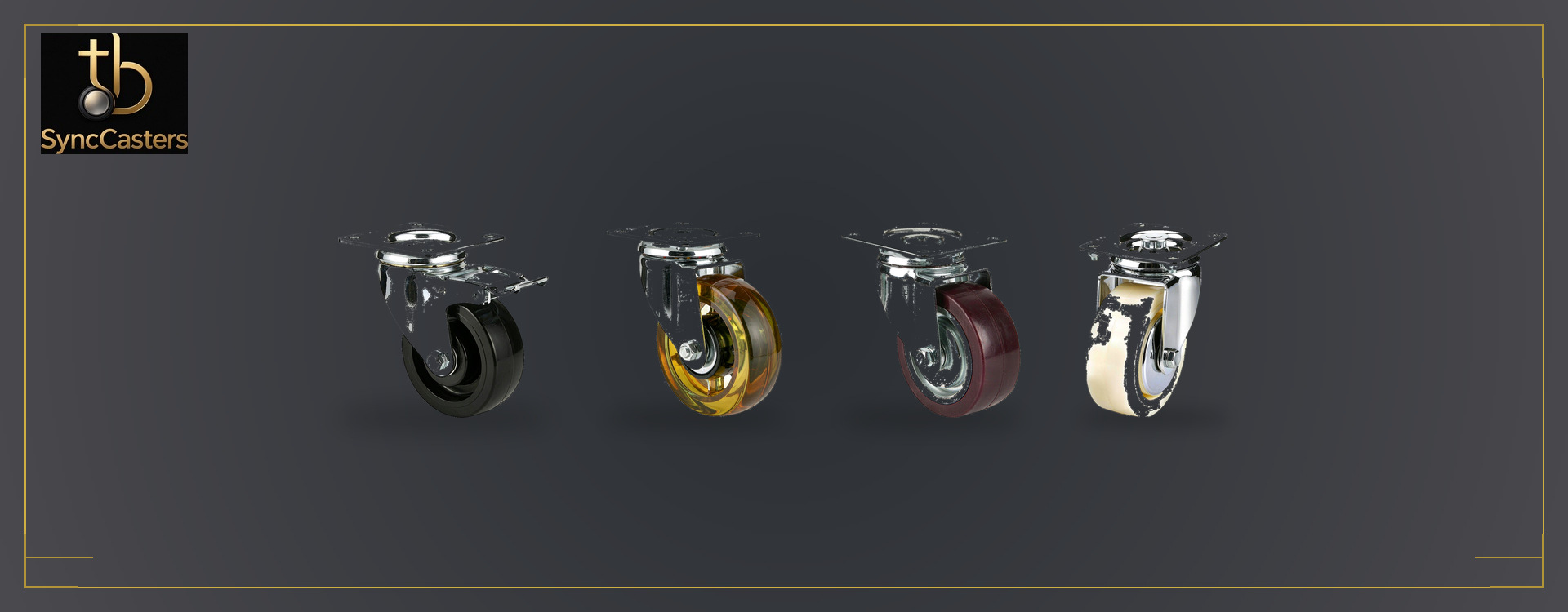
SyncCasters exhibited at MODEX 2026, held April 13-16 at the Georgia World Congress Center in Atlanta. Organized by MHI, the show is North America's premier manufacturing and supply chain event, drawing over 1,100 exhibitors across more than 625,000 square feet of solutions on the show floor. Our booth focused on the casters underneath the automation everyone came to see: heavy duty wheels for carts and AGVs, leveling casters for stationary machines, and silent TPR wheels for noise-sensitive environments. The show confirmed what our own order book already suggested: demand is shifting toward engineered, continuous-duty mobility components rather than generic commodity wheels.
Casters Beneath the Automation Boom
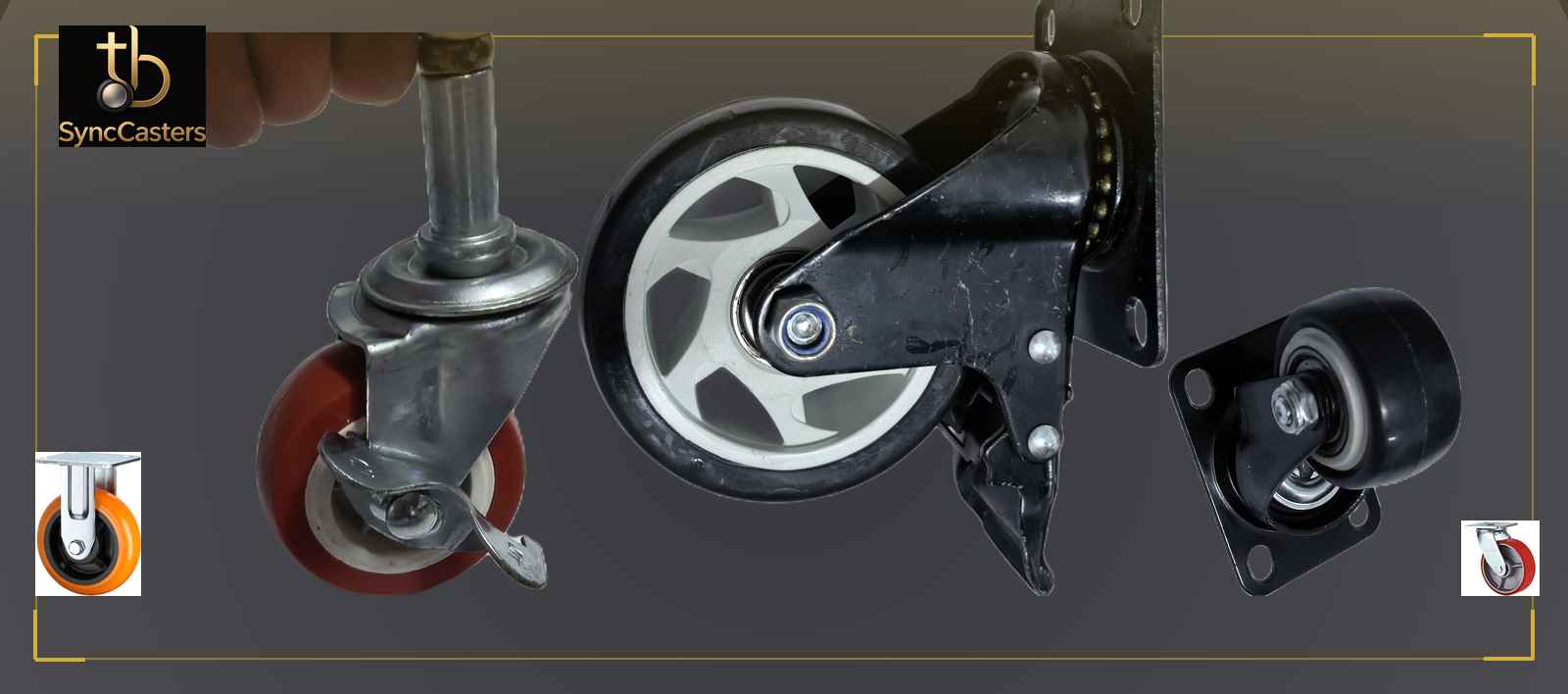
Much of MODEX 2026 was devoted to robotics, AGVs and automated storage, but every automated vehicle still rolls on wheels. Visitors stopped at our stand specifically asking about caster performance on AGV platforms: consistent height, low rolling resistance, precise tracking and continuous-duty load ratings. Twin-wheel and motorized caster designs generated the most questions, because automated platforms place demands on casters that off-the-shelf wheels were never built for. Our medium and heavy duty ranges, with steel brackets and tested bearings, answered most of those enquiries directly. Engineers told us they had repeatedly been let down by wheels that drifted or wore quickly on their robots, which made engineered casters a priority rather than an afterthought.
Leveling Casters for Stationary Machinery
Another strong theme was equipment that must both move and stay perfectly still. Machine builders, packaging line integrators and display fixture manufacturers asked about leveling casters, which combine a wheel with a precision threaded height-adjustment foot. Our leveling range covers 1.5 to 4 inch models, split into light duty, medium duty and heavy duty classes, with optional 30mm or 60mm spring shock absorption. These were a natural fit for the machine-tool and workbench suppliers on the show floor, who needed to position equipment precisely on imperfect factory floors and then lock it solid during operation. The spring-absorption option attracted particular interest from packaging machinery builders dealing with vibration.
Connecting With Distributors and OEMs
Beyond product interest, MODEX is where supply chain relationships are built. We met distributors looking to expand their industrial caster lines, and OEMs looking for a manufacturer that can handle custom brackets, wheel compounds and private labeling. The feedback was clear: buyers want a supplier who understands duty cycles, not just catalog prices. Our OEM and ODM support, from wheel durometer to bracket finish to brake configuration, landed well with engineers who have been burned by generic casters in the past. Several conversations turned into sample orders before the show even closed.
What We Learned at MODEX 2026
Seeing the products in person is one thing; hearing what buyers actually asked is another. The lessons from the show point to where caster specifications are heading, and they are worth understanding whether you exhibited or simply followed the trends from your own facility.
Sustainability Is Moving Into Specifications
A recurring question was environmental profile. Buyers, especially in Europe and North America, increasingly ask about recyclability of wheel materials, replaceable components and bracket finishes. Polyurethane and stainless-friendly construction came up repeatedly, as did designs that let a wheel be replaced without scrapping the whole caster. This mirrors broader market trends: the castors and wheels market is expanding toward roughly USD 17.8 billion by 2032, and buyers want that growth to be durable and sustainable rather than disposable. We left with a clear sense that sustainability is moving from a nice-to-have question into a line in the specification sheet.
Load Ratings Must Match Real Duty Cycles
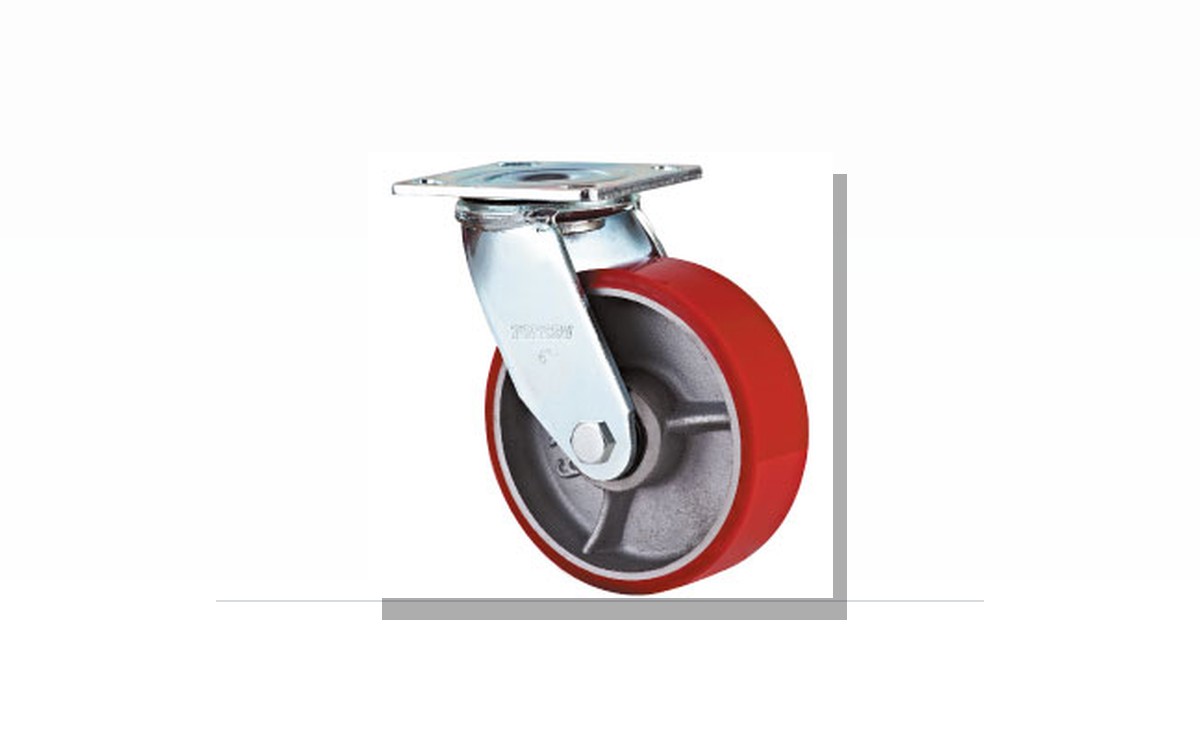
We also heard frustration about casters that fail early because they were sized for a four-hour day but run twelve. Visitors confirmed the N-1 method remains the starting point: divide total load by casters minus one, then apply a safety factor of 1.25 for indoor concrete, 1.35 for dock plates, 1.5 for towed equipment and 1.75 outdoors. Continuous-duty applications need higher margins again. Our heavy and extra-heavy series are specified with these realities in mind rather than theoretical peak loads. The buyers who came to us had usually already experienced an undersized caster failure, which made them keen to size correctly this time.
Quiet and Floor-Friendly Wheels Keep Growing
Noise control was the third major theme. As warehouses and facilities become denser, quieter casters are a real selling point. TPR and polyurethane wheels, which protect finished floors and roll softly, drew steady interest alongside the heavy steel and nylon wheels. The common thread across all enquiries was balance: buyers no longer accept a caster that is strong but noisy, or quiet but weak. Our range covers both ends of that spectrum with the same bracket quality, which let us match each visitor to the right wheel rather than forcing a compromise.
Visit SyncCasters After MODEX 2026
MODEX 2026 reinforced our direction: engineered, tested and customizable caster ranges for an automated and sustainability-conscious industry. SyncCasters manufactures light, medium, heavy and extra-heavy casters, plus leveling casters for machine tools, display racks, workbenches and industrial equipment, with full OEM and ODM support. If we met at the show, thank you for stopping by. If you could not make it, our team is ready to discuss your load, floor and duty-cycle requirements and help you specify casters built for the long run.








