
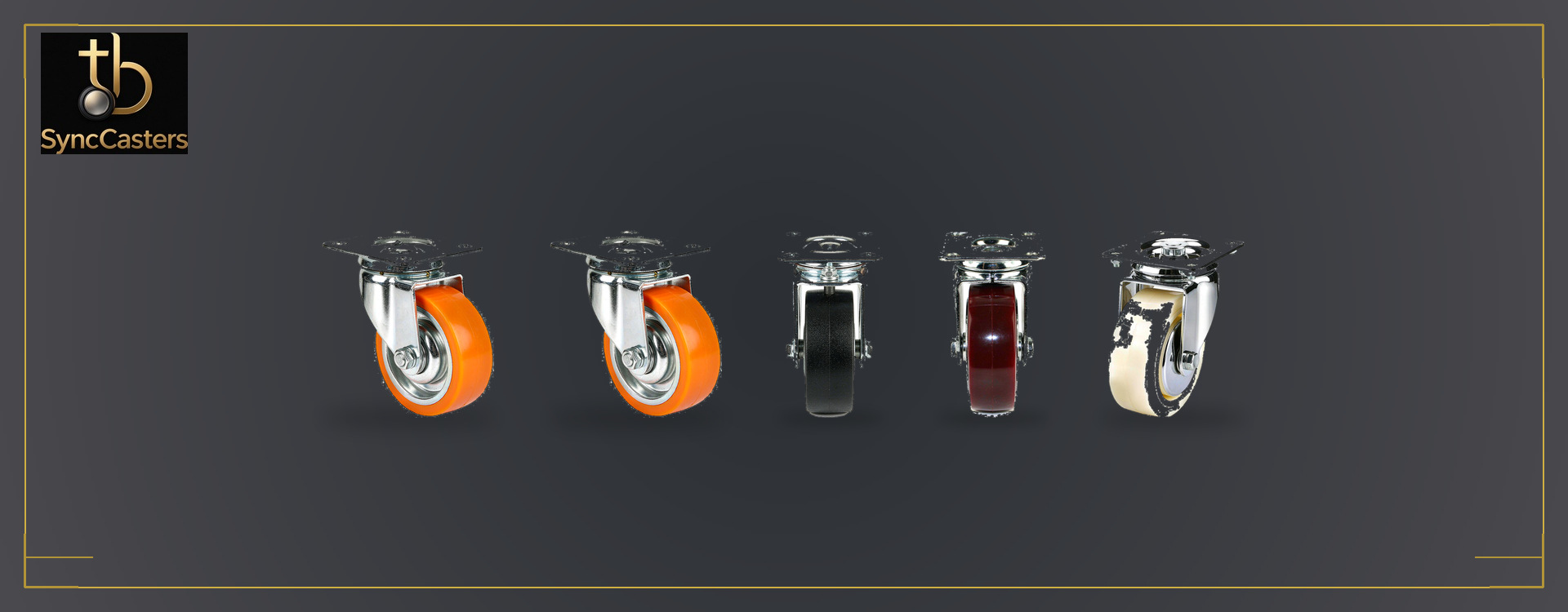
Quality control is the foundation of SyncCasters. Every heavy duty caster that leaves our factory undergoes multiple inspection stages to ensure it meets our high standards of performance, durability, and safety.
We believe that quality is built into every caster during production, not just inspected at the end.
Quality Inspection Process
Our quality control process covers every stage of production:
- Incoming Material Inspection
- Steel plate thickness and material composition
- Wheel material hardness and quality
- Bearing precision and quality
- Coating material inspection
- In-Process Inspection
- Stamping dimensions and accuracy
- Welding quality and strength
- Surface treatment coating thickness
- Wheel machining precision
- Final Product Inspection
- Load capacity testing from each batch
- Smooth swivel rotation test
- Brake function and holding power test
- Dimensional check of mounting plate and installation height
- Visual inspection of surface finish and paint quality
When you buy heavy duty casters from SyncCasters, you can be confident that you are getting a reliable, high-quality product built to last.
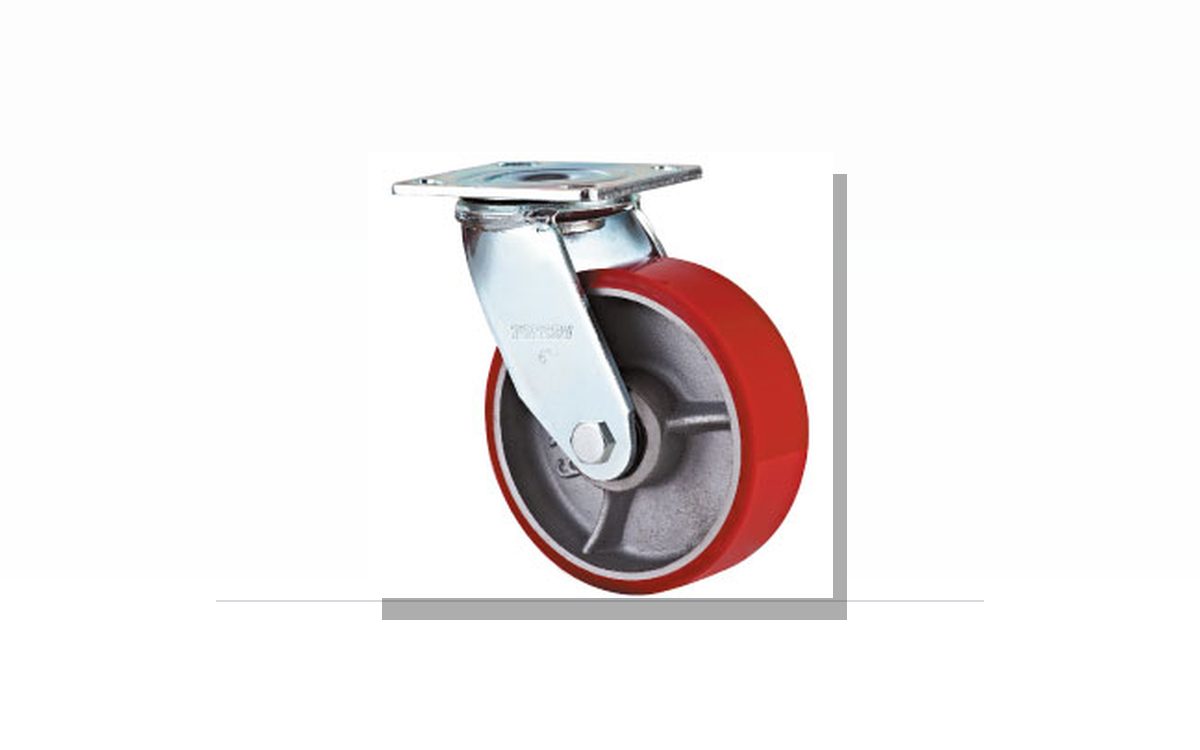
Quality Management and Certification in Caster Manufacturing
What quality management system certification means for caster buyers, how ISO-based processes suppor...
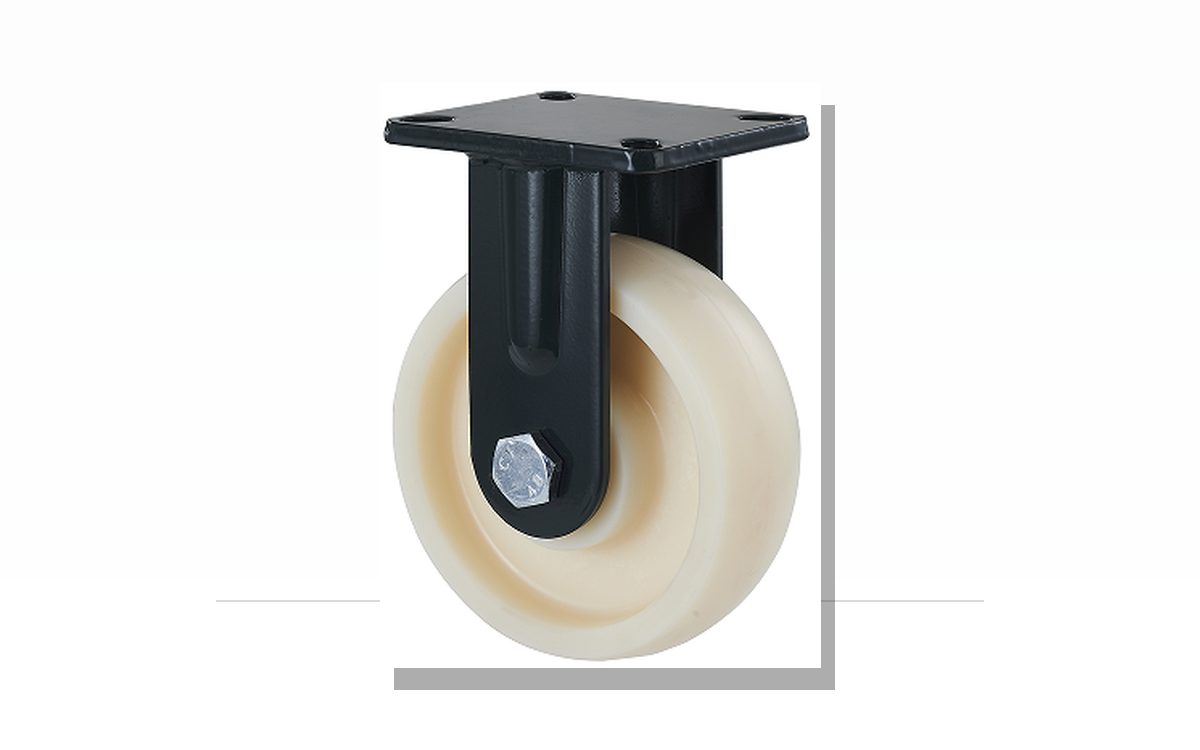
Load, Life and Swivel Rotation Testing for Casters
How caster factories verify load capacity, rolling life and swivel rotation through laboratory testi...
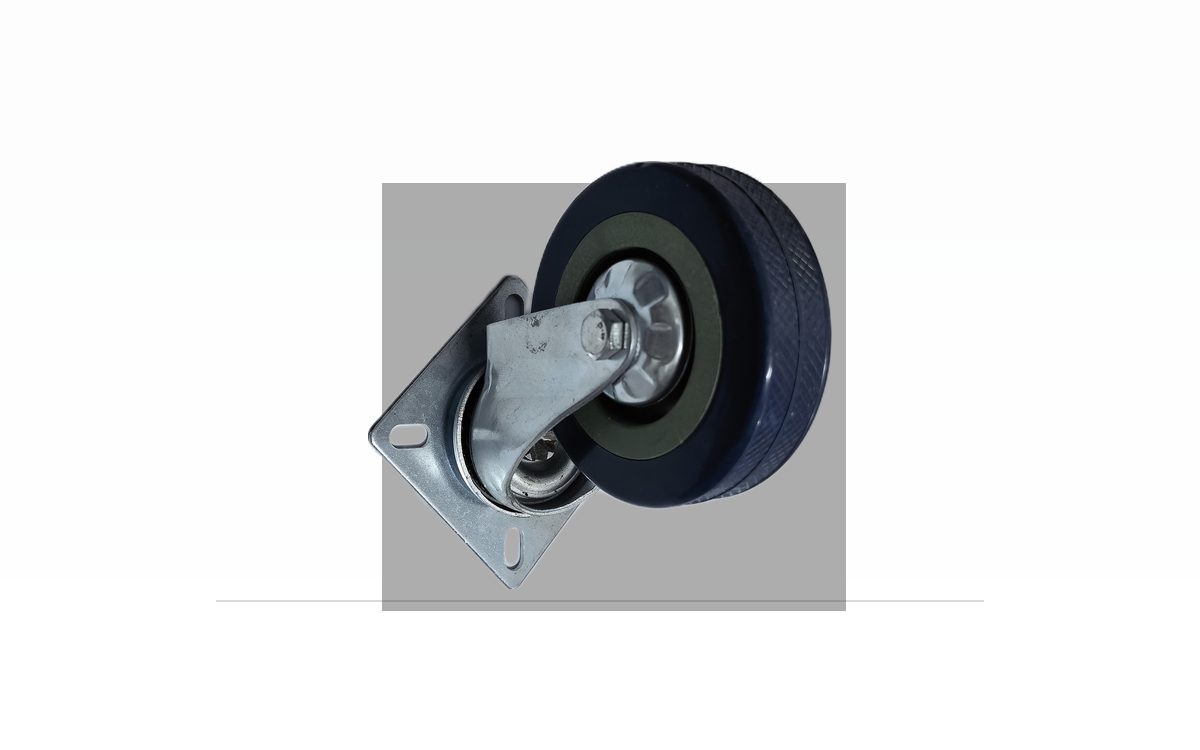
Salt Spray and Corrosion Testing for Caster Finishes
How salt spray testing evaluates caster bracket rust resistance, what plating and galvanized finishe...
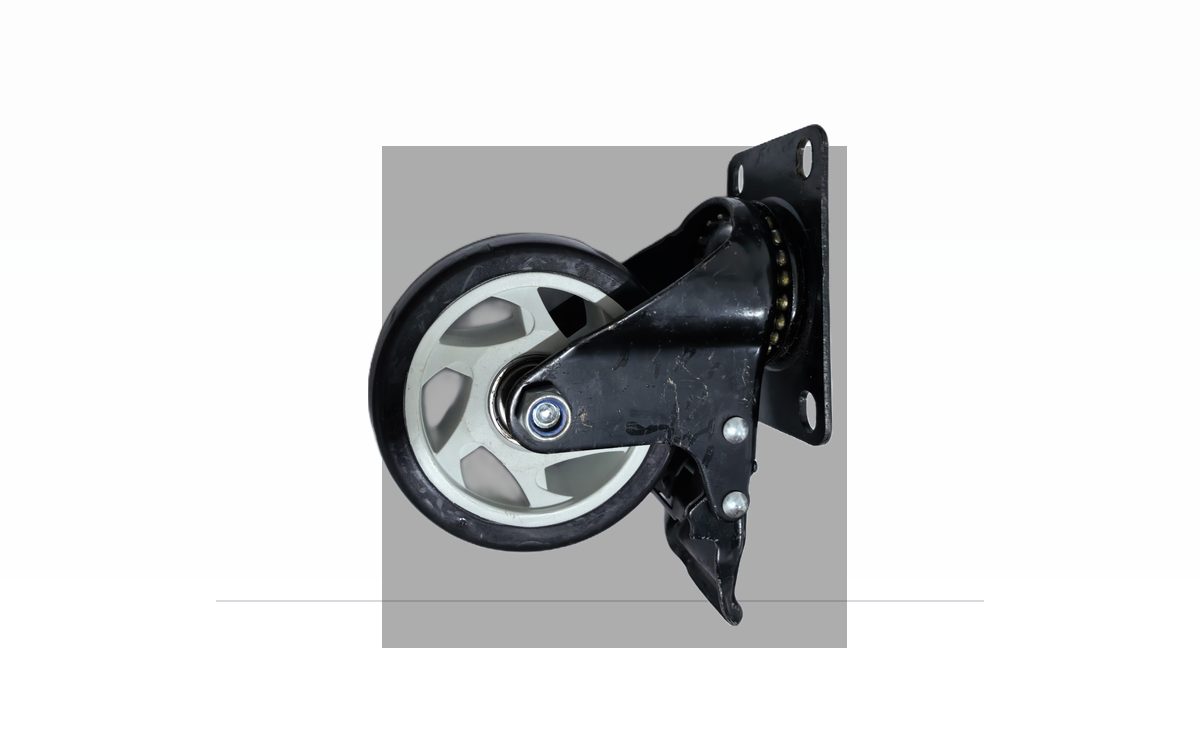
Final Random Inspection of Finished Casters
What a final random inspection of finished casters checks, how acceptance sampling works, and why pr...
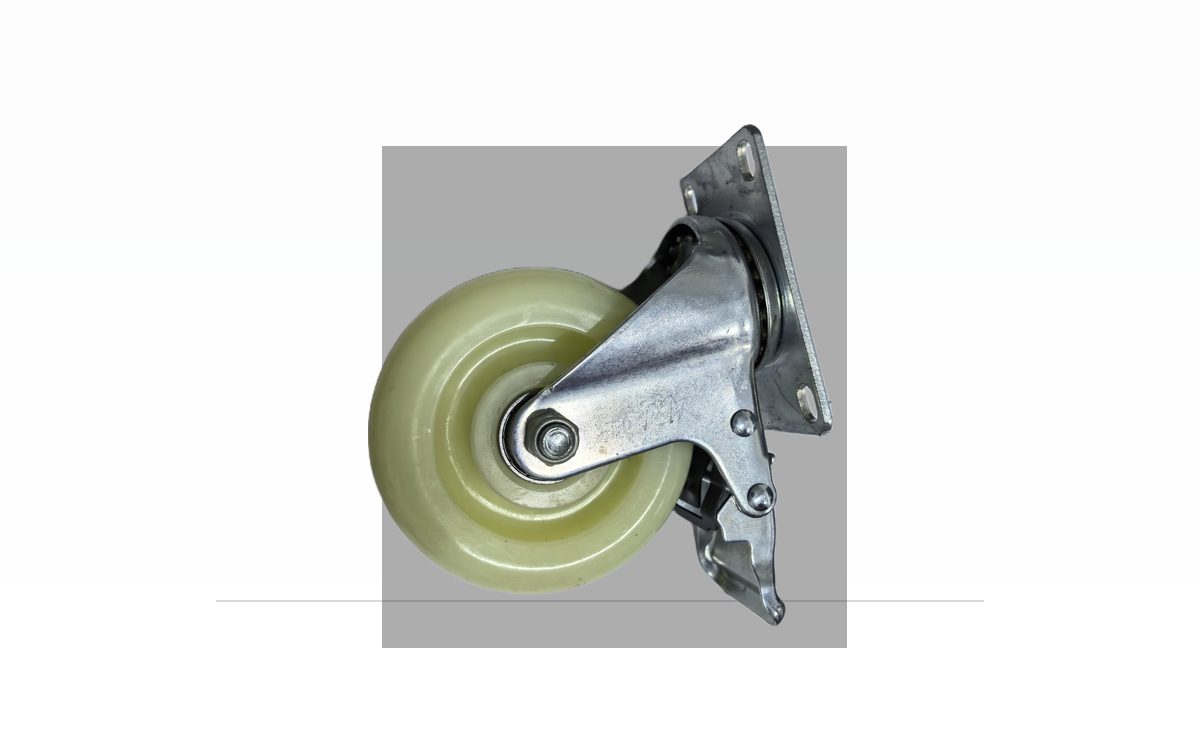
In-Process Quality Control in Caster Manufacturing
How caster factories control quality during stamping, welding, wheel molding and assembly, and why i...
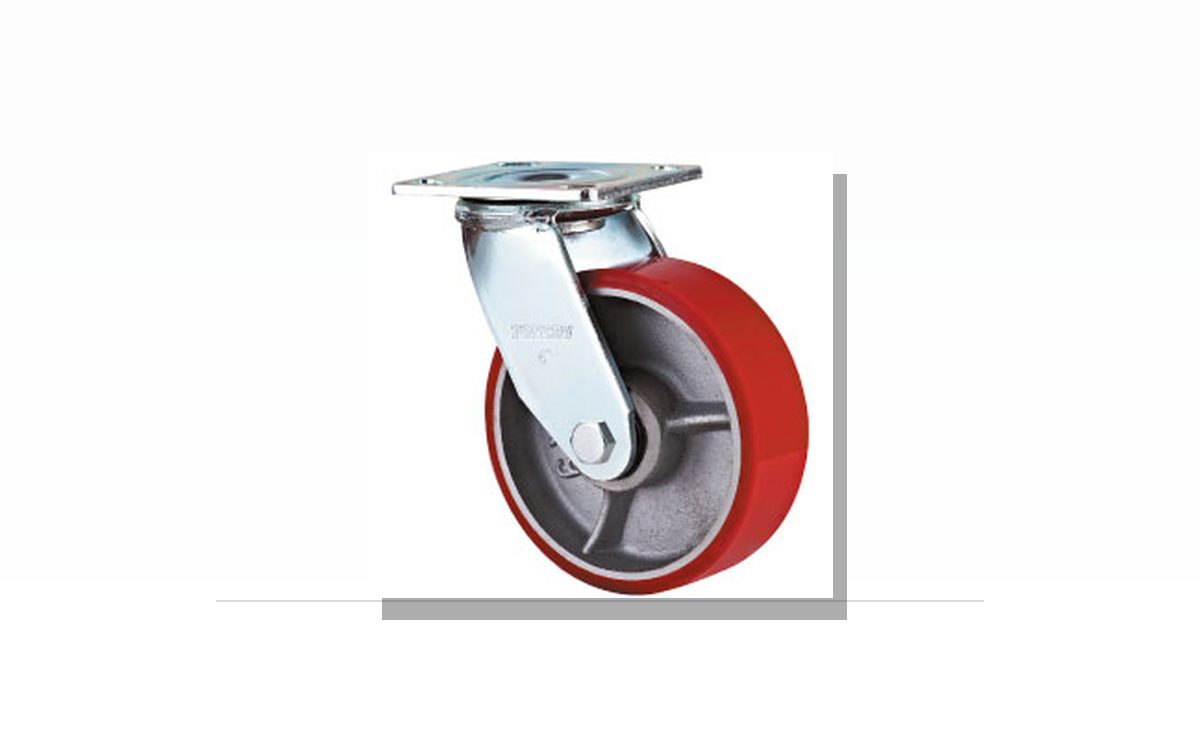
Incoming Material Inspection for Caster Manufacturing
How a caster factory inspects raw steel, wheels, bearings and finishes at incoming QC, and why mater...
Incoming, In-Process and Outgoing Inspection Standards
Quality control at SyncCasters is built as a chain rather than a final checkpoint. A caster that is only inspected at the end of the line carries every upstream error with it, so our inspection system starts when material arrives and follows each batch through to shipment. The aim is that a defect in steel, in a wheel or in a brake component is caught where it originates, not where it embarrasses us in front of your customer.
Incoming inspection (IQC) covers the inputs. Steel coils and bars are checked for material conformance against purchase specifications; wheel compounds and hubs are verified for dimensional accuracy; fasteners, bearings and brake components are sampled for function and finish. Material that fails incoming inspection is quarantined and returned, so it never reaches the line. Because batches are coded at receiving, any later issue can be traced back to the exact input lot and the supplier who shipped it.
In-process inspection (IPQC) happens at fixed stations along the line. After stamping, bracket dimensions and hole positions are checked. After welding, bead quality and alignment are visually and dimensionally verified. After wheel casting, tread thickness and hub fit are measured. After assembly, swivel rotation, brake engagement and axle torque are confirmed. IPQC station logs travel with the batch route card, so a finished caster carries a recorded history of the checks passed on its way through the factory.
Outgoing quality control (OQC) applies sampling principles based on AQL concepts. Acceptable Quality Limit is a widely used sampling standard for batch inspection: rather than checking every unit, a statistically representative sample is drawn from finished stock, tested against defined criteria, and the whole batch is accepted or rejected based on the sample results. We align sample size and acceptance levels with the agreed standard for your order, and rejected batches are reworked or remade, not shipped. This is the checkpoint that protects you from running a full container of units with a systematic fault.
Traceability ties every unit back to its inputs. Each production batch records material lots, machine stations, shift information and inspection results, so that if a field issue ever appears on a specific run, we can identify which units were affected, where they went, and which inputs or process conditions were involved. This matters for OEM buyers who need root-cause answers, not apologies, when their own customers raise a quality question.
We also support customer factory audits. Importers, distributors and brand owners are welcome to review our inspection records, meet our QC staff and observe the line. Audit findings are treated as improvement inputs, and we close out corrective actions in writing. A quality system that is only shown in photos is not a quality system, and we operate on the assumption that you will one day walk the floor yourself.
If you have your own inspection standard, send it to us at quotation. We will map it against our existing points and tell you exactly what we already do, what we can add, and what the cost impact would be. Inspection standards should be agreed on paper before production, not negotiated when a container is ready.
Our inspection equipment is kept under the same discipline as the product: gauges are calibrated on schedule, test instruments are checked against reference standards, and inspectors are rotated and re-trained so that a measurement does not depend on one person's judgment alone. Records from IQC, IPQC and OQC are retained for the period your industry expects, and they can be shared with your quality team as part of a batch file. When you choose a caster supplier, the inspection system behind the product is part of the product, and we treat it that way internally every day.








