

Prove It Before You Commit
A drawing is not the same as a wheel under load. Step 4 gets a physical caster onto your actual equipment so you can check rolling effort, mounting fit, brake feel and stability in your real environment. This is the point where theory becomes something you can push, brake and stand on.
Sample Production
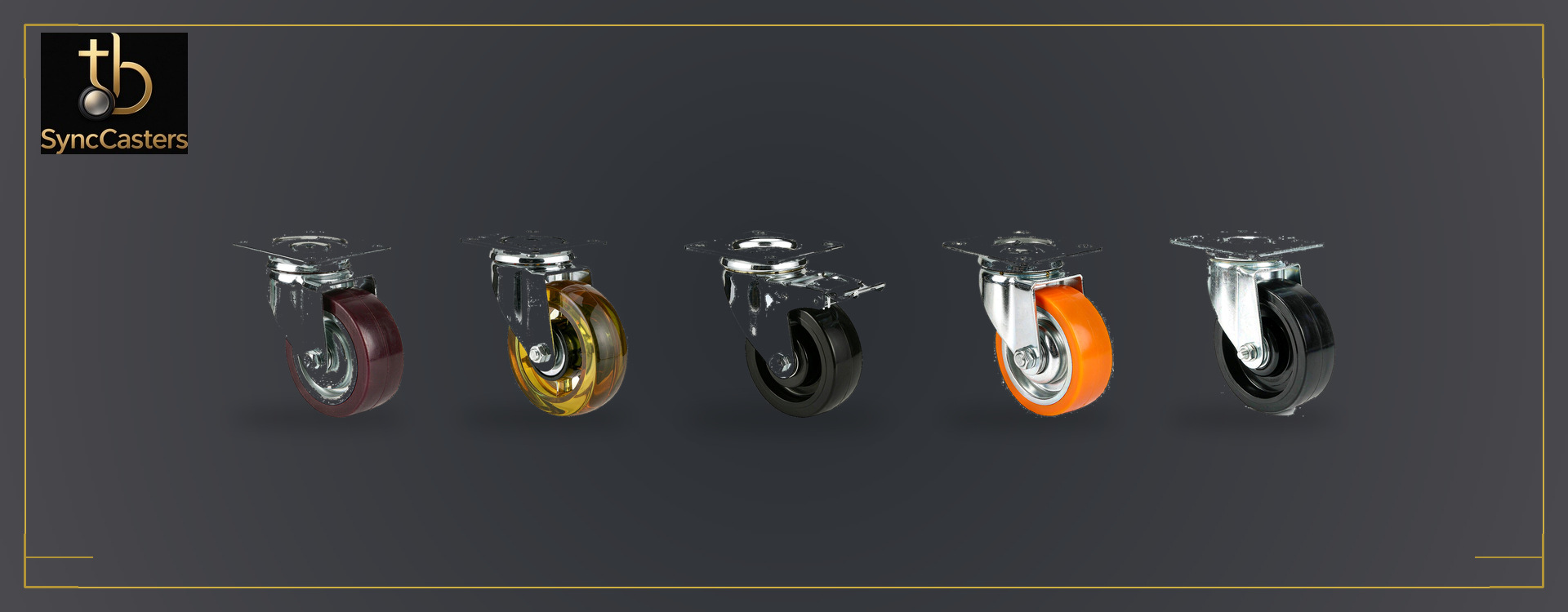
We build samples to the approved design, using the same tooling, materials and processes planned for production whenever possible. This means the sample is representative of the final product, not a handmade one-off that behaves differently from the parts you will later receive. Typical sample lead time is short for standard parts and longer only where new tooling or a special material is required. We package samples carefully and send them by express so you can test them without holding up your project schedule.
How to Test the Sample
We recommend installing the sample on your real equipment and checking a few practical things: does it bolt onto the mounting plate cleanly, does the equipment sit at the correct working height, does it roll with the expected effort when loaded, and does the brake hold firmly under load? If the caster must move over thresholds or bumps, test that too. If you already have a test rig or a fatigue checklist, share it with us. Companies such as Dersheng USA treat sampling as a collaborative verification step, and we do the same, treating your field test as the real approval.
Feedback and Revision
If the sample needs adjustment, tell us exactly what you observed and we revise the design, material or dimensions and produce a second sample. Minor changes to wheel hardness, brake pedal height, plate hole spacing or swivel preload are normal and expected at this stage. We keep revising until the sample passes your test, because changing a sample is far cheaper than changing a full production batch. There is no penalty for asking for a revision; it is part of getting the specification right.
Approval Locks the Specification
Once the sample is approved in writing, the design, materials and dimensions are frozen. Nothing changes after this point without a documented change request, so the product you later receive matches what you tested.
Why Written Approval Matters
A signed-off sample becomes the reference standard for both production and quality inspection. It removes ambiguity about what was agreed and protects both sides if a question arises later. We keep a record of the approved sample and its full specification through the whole order, so even months later we can reproduce the same caster exactly. This is what makes repeat orders fast and reliable.
Next: Confirm the Order
With the sample approved, Step 5 moves to order confirmation and contract. The approved specification, pricing, quantities and lead time are formalized in writing so production can be scheduled with confidence. From there the process is predictable: you know what you are getting, what it costs, and when it will arrive.
How We Make Sampling Work for You
SyncCasters treats the sample as a real part of the process, not a formality. We build it to production standards, send it fast, and revise it freely until your test passes. That willingness to iterate is why buyers who start with a sample usually place repeat orders; the sample removes the risk of committing to a large production run that does not fit the equipment.
