
Useful industry knowledge about heavy duty casters from SyncCasters. Learn about caster types, selection criteria, wheel materials, maintenance tips, and more to help you make better caster purchasing decisions.
Whether you are new to sourcing heavy duty casters or an experienced professional, you'll find valuable information here.
Caster Knowledge Center
Our knowledge center covers topics including:
- How to choose the right heavy duty caster for your application
- Understanding caster load capacity and safety factors
- Different wheel materials explained: nylon, PU, steel, rubber
- Swivel vs rigid casters: when to use each type
- Caster maintenance tips for longer service life
- Common caster problems and troubleshooting
- Brake types and their applications
- Mounting options: plate, stem, and other fittings
Browse our industry knowledge articles to learn more about heavy duty casters and material handling solutions.
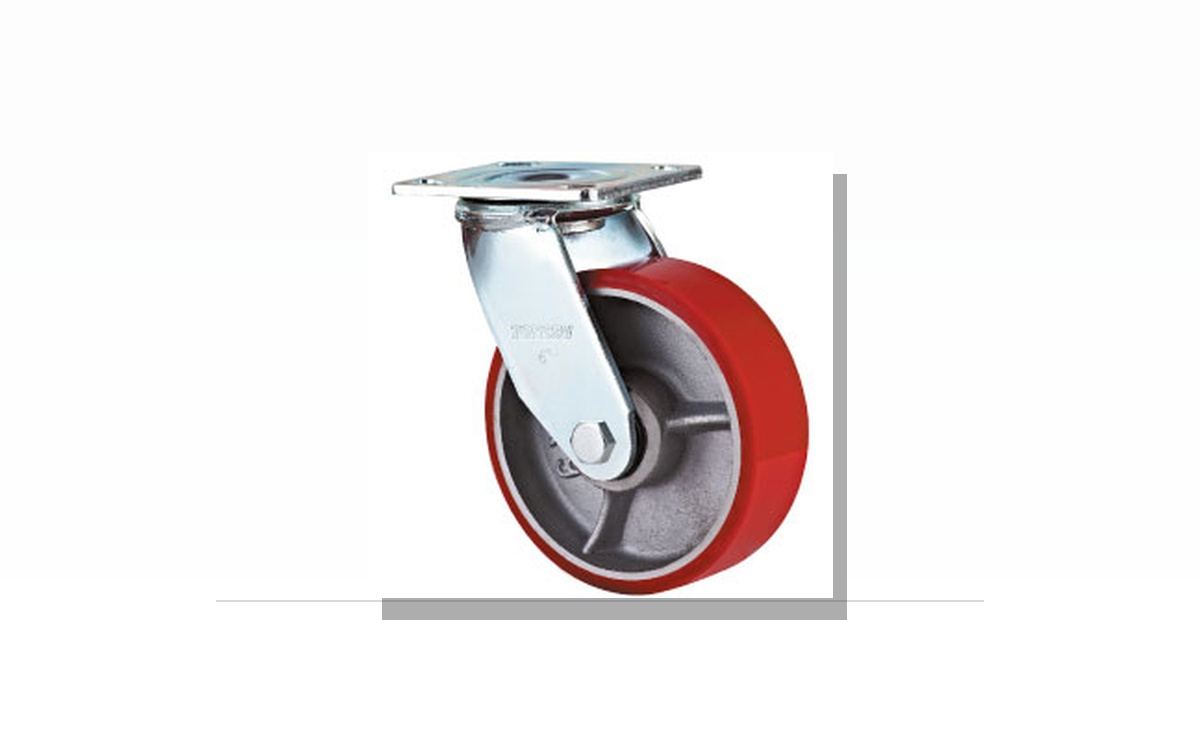
Caster Industry Trends 2026: AGVs, Automation and Sustainability
The 2026 caster industry trends buyers should know: AGV and AMR demand, motorized and smar...
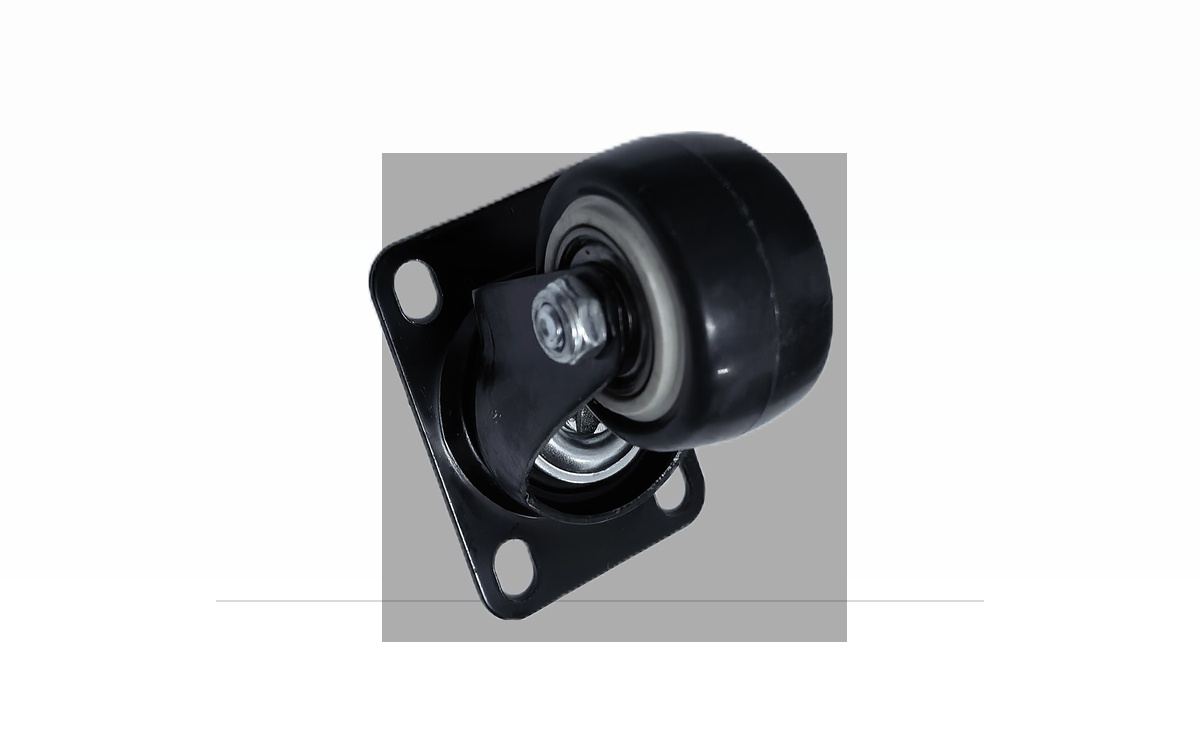
Caster Wheel Materials Compared: PU, Nylon, TPR, PP and Rubber
A practical comparison of caster wheel materials: polyurethane, nylon, TPR, polypropylene ...
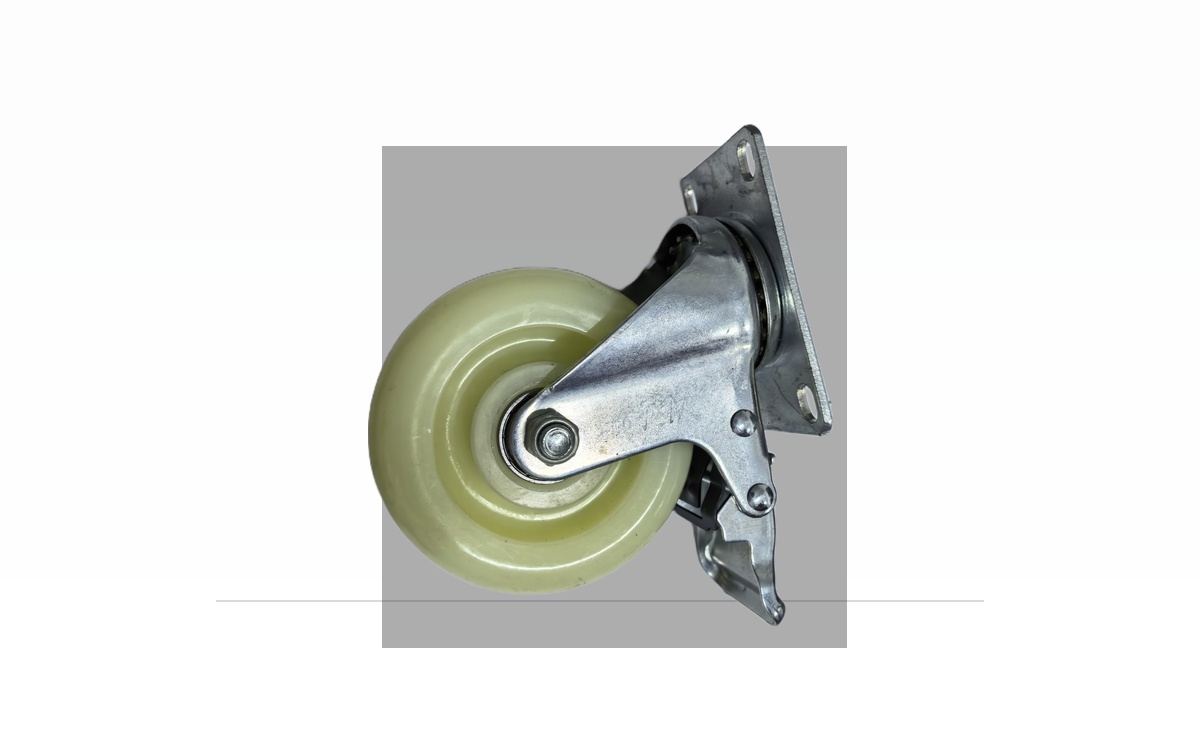
How to Choose the Right Caster: Load, Material, Brakes and Size
A step-by-step caster selection guide: N-1 load calculation, safety factors, wheel materia...
How Our Knowledge Center Helps You Specify Casters
Specifying the right caster is a chain of decisions, not a single choice. Our knowledge center collects the practical guidance our engineering team gives every day, so that new buyers and experienced specifiers alike can move from problem to solution faster. The articles are written for someone holding a real design in hand, not for a search engine.
Selection guides walk through the core decision sequence: calculating load per caster with a safety margin, choosing between swivel casters and rigid casters for maneuverability, selecting wheel diameter for thresholds and rolling effort, and picking brake type for the application. Each guide is built around a worked example, so you can copy the calculation method onto your own project instead of guessing what a margin means in practice.
Material comparison articles pit wheel materials against each other: polyurethane versus rubber versus nylon versus phenolic versus steel wheels, across load capacity, floor protection, rolling resistance, temperature range and chemical resistance. The goal is to help you match the wheel to your floor and environment before matching it to a catalog number. Most caster problems originate at the material choice, and these articles exist to short-circuit that cycle.
Industry trend pieces cover where material handling is moving: automation and AGV adoption, quieter warehouses, stricter washdown standards, and the growing emphasis on long service life instead of lowest unit price. These help buyers plan procurement cycles rather than react order by order. If your warehouse is adding automated guided vehicles next year, the casters you spec this year should be chosen with that direction in mind.
Application guidance breaks down sectors: manufacturing lines, warehouses, hospitals, food processing, retail displays and logistics equipment. For each, the articles explain the typical loads, floors, contaminants and compliance expectations, and then recommend the caster configurations that suit them. An article on washdown applications, for example, will tell you which wheel compounds survive cleaning chemicals and which bearings should be sealed, rather than leaving you to discover it on a failed batch.
Maintenance guidance covers the day two of ownership: how to inspect wheels, how to service bearings, when brakes need adjustment, how to clean wheels without damaging polyurethane, and the early warning signs that a caster is nearing replacement. Well-maintained casters multiply service life, and these articles give your maintenance team the baseline. A caster program that lasts five years instead of two is a procurement decision, not luck.
Everything in the knowledge center is written to be actionable. If an article leaves your situation unresolved, the question that follows it is the same one our engineers will answer when you send an inquiry. The knowledge center is, in effect, the first consultation, and it costs nothing before the commercial conversation begins.
Articles are drafted by engineering staff who work on real inquiries, not by copywriters guessing at the subject. When a material changes, a compound is revised, or a testing practice is updated on the production floor, the corresponding article is revised too, so the guidance does not drift away from what the factory actually builds. We avoid the common trap of knowledge centers that freeze after launch; here the content stays aligned with the product range, and older pieces are reviewed rather than left as misleading evergreen pages. If you find an article that contradicts something you were told on an inquiry, that mismatch is useful to us as well: it usually means the product range has moved on, and we update the page so the next reader gets the current guidance. Every guide also ends with a short note on when to involve an engineer rather than finish the selection alone, which keeps the knowledge center honest about the limits of self-service.








