
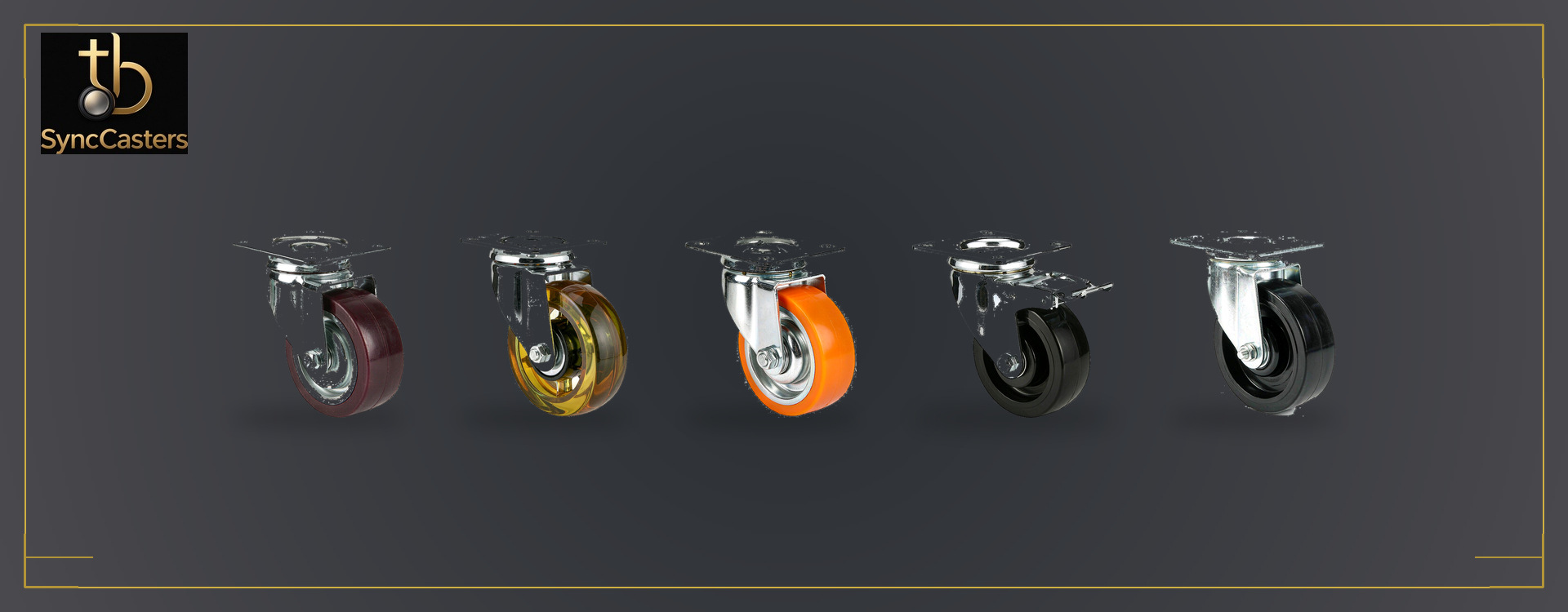
SyncCasters is a professional heavy duty caster factory in Zhongshan, China, specializing in the design and production of heavy duty, super heavy duty, and low profile heavy casters. Our production facility is equipped with advanced stamping, welding, and assembly lines to ensure consistent quality and reliable delivery for bulk orders.
We produce heavy duty casters with load capacities from 250kg to 3.5 tons per caster, serving industrial equipment manufacturers, warehouse logistics companies, and heavy machinery OEMs worldwide.
Production Process and Equipment
Our production process includes:
- Steel cutting: High-quality steel plates are cut to precise sizes
- Stamping: Bracket components are stamped and formed on CNC stamping machines
- Welding: Robot and manual MIG welding for heavy duty bracket strength
- Surface treatment: Zinc plating or powder coating for corrosion resistance
- Wheel manufacturing: Nylon injection molding, PU casting, and steel wheel machining
- Assembly: Bearing pressing, swivel raceway installation, and brake system fitting
- Testing: Every caster undergoes load testing and function inspection before shipment
- Packaging: Carton packing and palletizing for safe international shipping
With monthly production capacity of tens of thousands of heavy duty casters, we can handle large volume orders for distributors and OEM clients.
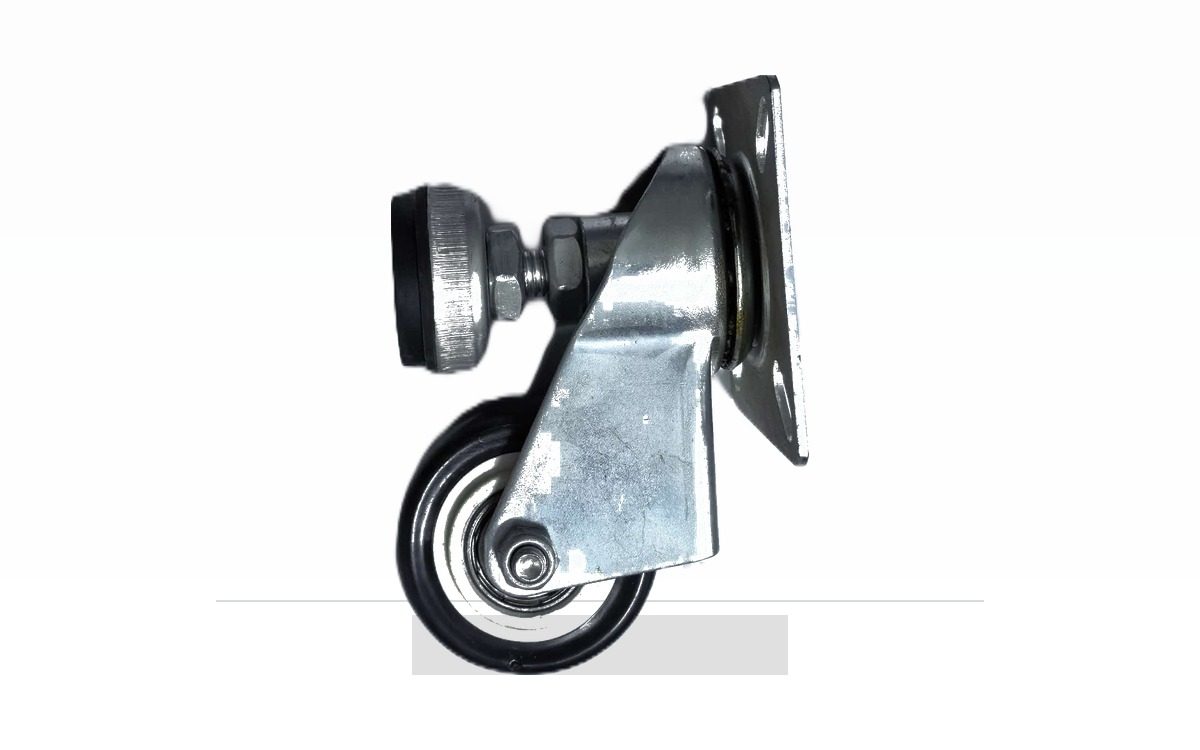
Final Inspection and Packaging: Protecting Casters Before Delivery
How casters are inspected, tested and packaged before shipment, ensuring buyers receive undamaged, r...
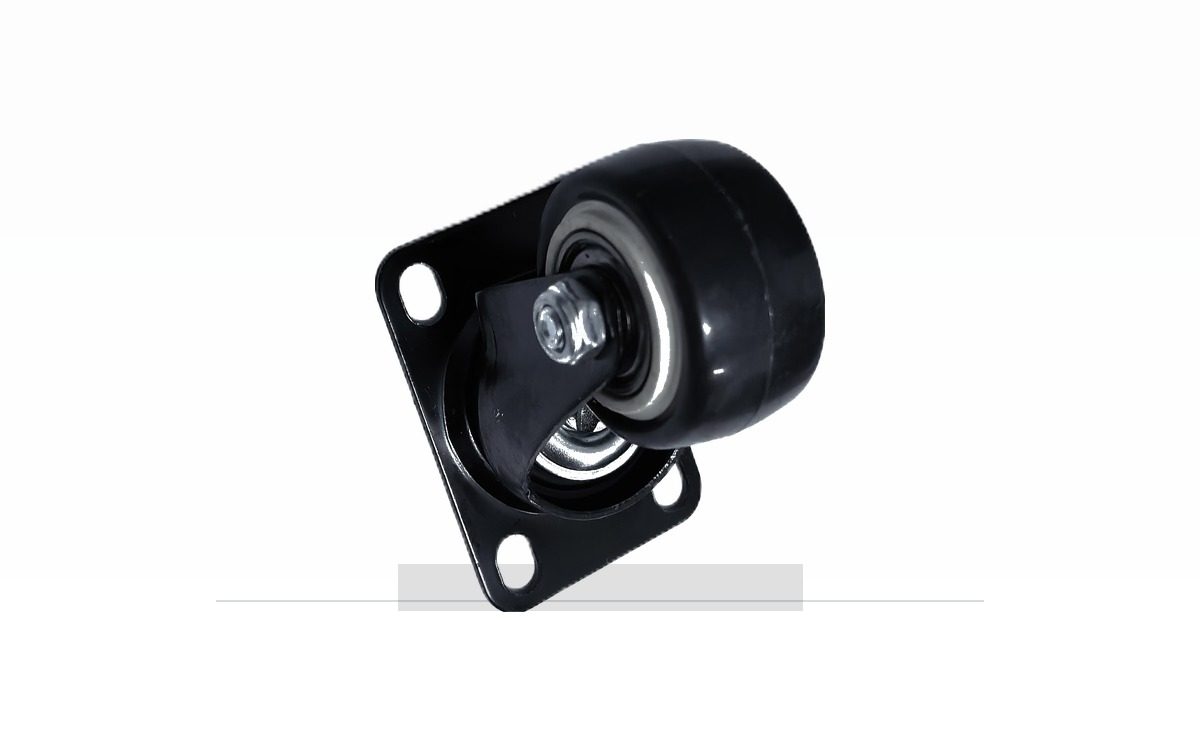
Automated Caster Assembly Lines: Consistency at Scale
How automated and semi-automated assembly lines build casters with consistent bearing presses, brake...
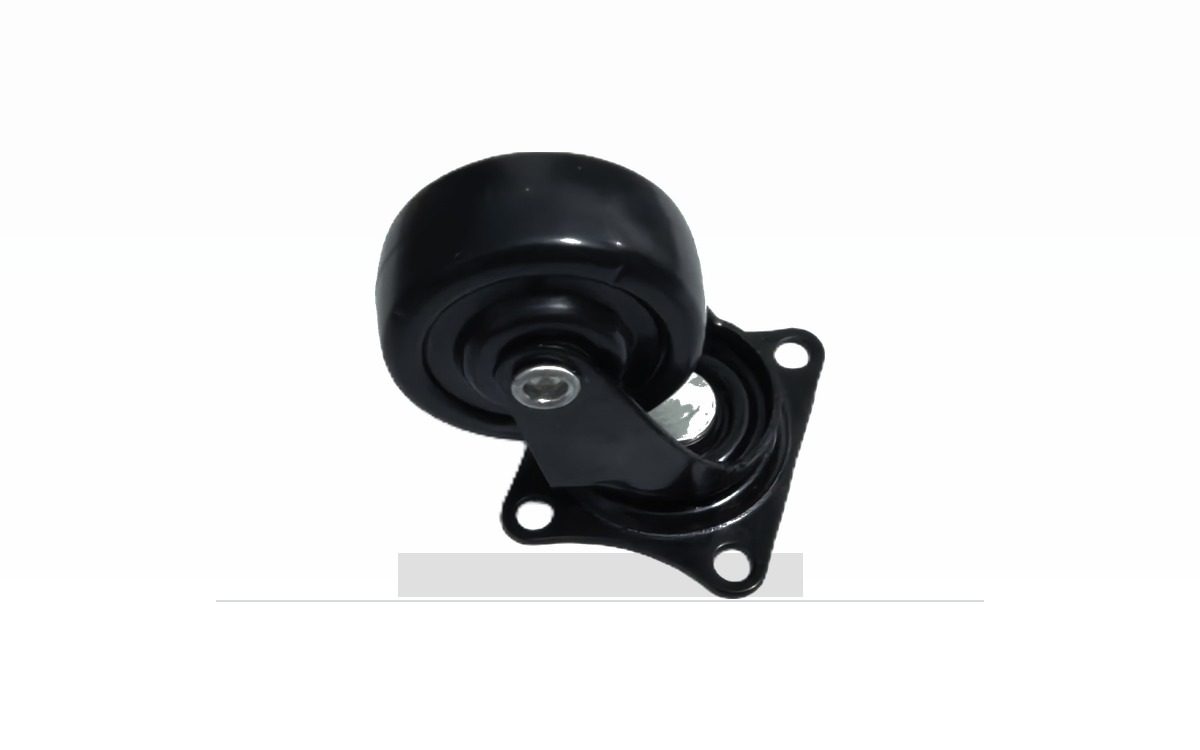
Injection Molding Wheel Treads: PU, PP and TPR Wheel Production
How caster wheels are injection-molded or cast-bonded in PU, PP and TPR: the molding, curing and bon...
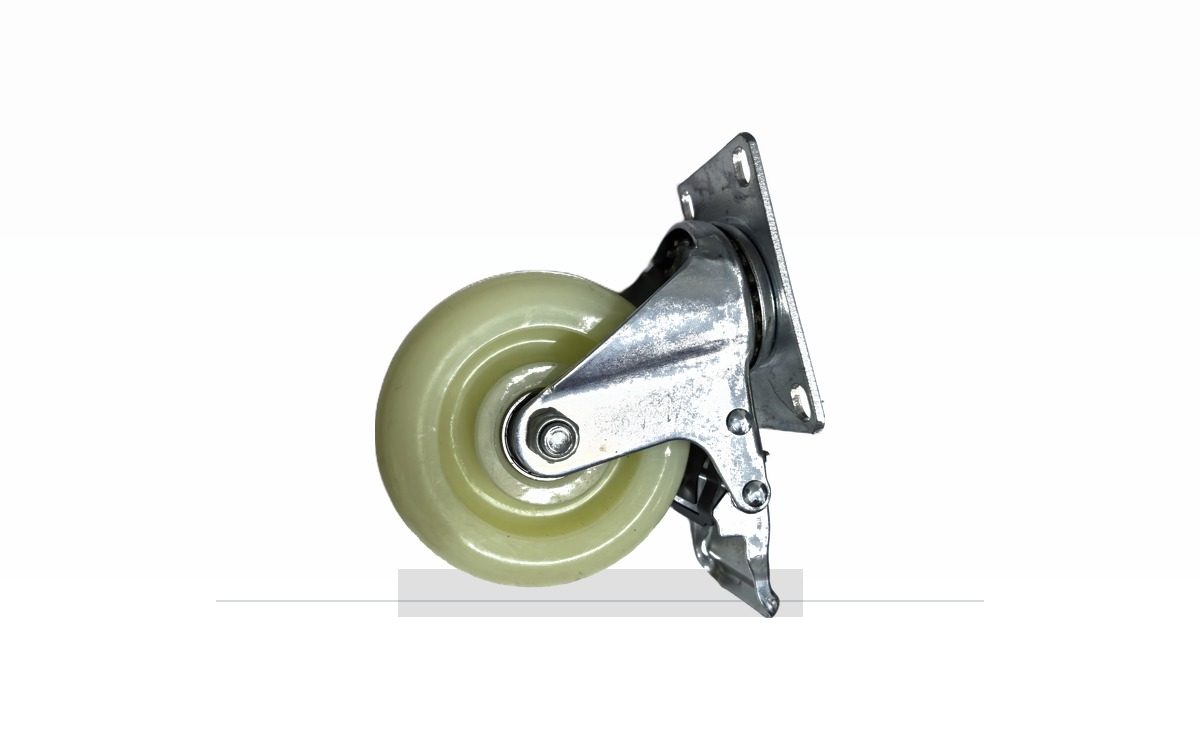
Die Casting and Machining: How Caster Brackets Are Made Strong
From molten zinc or aluminum into a precision-machined swivel bracket: the die casting, CNC machinin...
Production Lines, Batch Scheduling and Delivery
Our Zhongshan factory organizes heavy duty caster production around dedicated process lines rather than a single mixed shop. Bracket forming, wheel production and final assembly each run on their own equipment, which keeps tolerances consistent and lets us schedule customer orders without one batch interrupting another. This separation is the foundation of our batch discipline.
Stamping and forming come first. Brackets are cut, pressed and punched on mechanical and hydraulic presses, then welded or riveted into swivel caster or rigid caster configurations. Welding stations control heat input and bead consistency on heavy frames, and that consistency directly affects both structural strength and the smoothness of the swivel action buyers feel day to day. After forming, brackets move through surface preparation and plating before storage, so surface finish is treated as part of the process rather than a final coating step.
Wheel production runs on parallel lines. Polyurethane wheels are cast or poured onto aluminum, cast iron or nylon hubs; nylon and phenolic wheels are molded on dedicated presses. Curing, de-flashing and hub machining follow in sequence so that every wheel arrives at assembly clean, dimensionally checked and ready to be pressed onto its bearing set. Wheel batches are coded by compound and production date so that wear behavior can be traced back to the input lot if a field question ever arises.
At the assembly line, operators press bearings, fit swivel races, mount brake mechanisms and package finished units. In-line checks at each station verify axle torque, brake function and swivel freedom before a unit moves on, and final outgoing inspection is documented separately in our quality control process. Assembly ergonomics and fixture design are deliberately simple and repeatable, which is what allows mixed model batches to be built on the same line without confusing the operators.
We schedule production in customer order batches rather than continuous undifferentiated runs. Material is pulled to the line only after an order is confirmed, and each batch carries a route card with its own specifications, drawings and packing instructions. This batch approach suits OEM and export buyers because it keeps custom brackets, private-label packaging and mixed container orders clearly separated, and it reduces the risk of mixing part numbers between orders. Production planning balances confirmed orders against standard stock runs so that catalog supply is not squeezed by custom work.
We do not quote a single blanket delivery number that ignores order complexity. Standard catalog items are produced from stock or short stock runs, while custom brackets, new tooling and private-label orders are quoted individually. Lead times are agreed at quotation, in writing, alongside quantity, tooling status and packing requirements, so both sides understand the expected delivery window before production starts. Rush requests are assessed honestly against the line load of the week rather than promised and then missed.
Finished casters are packed in export cartons on pallets, with options for individual poly bags, barcoded labels and supervised container loading. We work with forwarders for full container loads and consolidated shipments to major ports, and we provide packing lists, loading photos and shipping marks as part of the handover. Export packing is designed around real container movement: stacked cartons are secured, moisture protection is included where the route requires it, and labels match the documents so receivers can check the cargo without opening every box.
Our lines are also reviewed on a continuous basis. Fixtures are updated when a recurring defect shows up on inspection logs, station ergonomics are adjusted when an error pattern appears, and scheduling rules are revised when delivery promises are missed on a particular order type. Production equipment is not treated as a fixed asset; it is treated as the variable that most affects what we can reliably deliver. Buyers who place repeat orders see this in the results: the second container of the same specification is usually smoother than the first, because the line has already learned the batch.








