
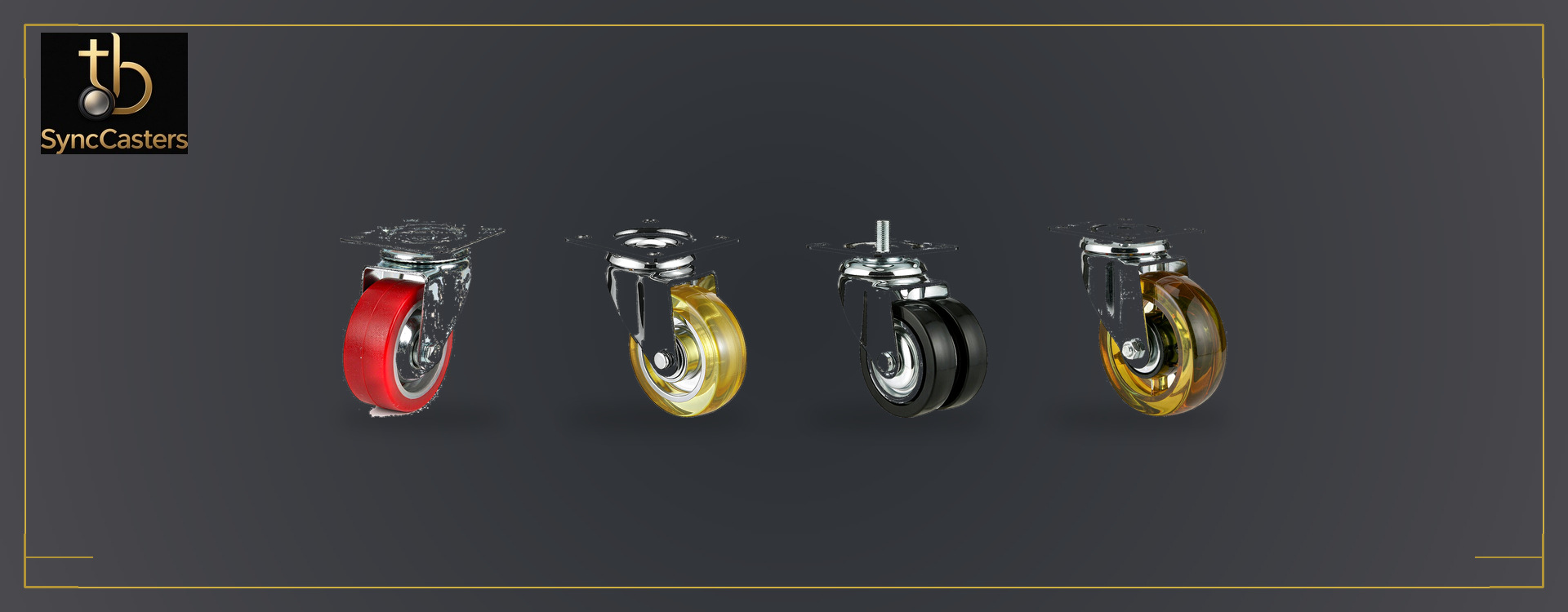
SyncCasters provides professional OEM and ODM services for heavy duty casters. We help caster brands, distributors, and industrial equipment manufacturers develop custom heavy duty caster products tailored to their specific applications and market requirements.
With over 10 years of experience in custom heavy duty caster manufacturing, we can produce casters according to your drawings, specifications, or sample products.
Custom Caster Solutions and Process
Our custom heavy duty caster capabilities include:
- Custom load capacity: from 250kg to 5 tons per caster
- Custom mounting plate: various sizes and hole patterns
- Custom wheel materials: nylon, PU, forged steel, cast iron, rubber
- Custom brake systems: total lock, directional lock, foot brake
- Custom branding: your logo on bracket, wheel, and packaging
- Custom colors: bracket paint, wheel color, and custom packaging
ODM process:
- Share your requirements, drawings, or sample products
- We provide design proposal and quotation
- Produce prototype samples for your testing and approval
- Finalize design and start mass production
- Quality inspection and worldwide shipping
We sign NDA agreements to protect your designs and business confidentiality.
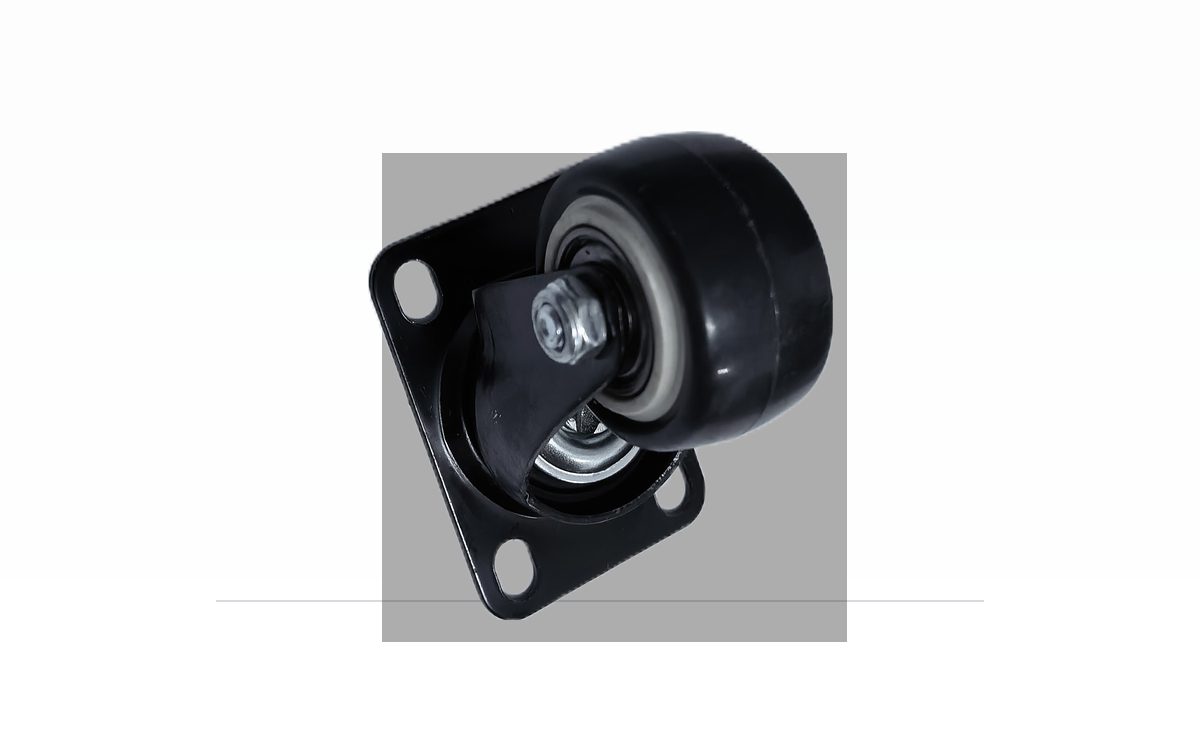
Private Label and OEM Branding for Caster Programs
How equipment brands use OEM branding, custom logo, packaging and part coding to build their own ide...
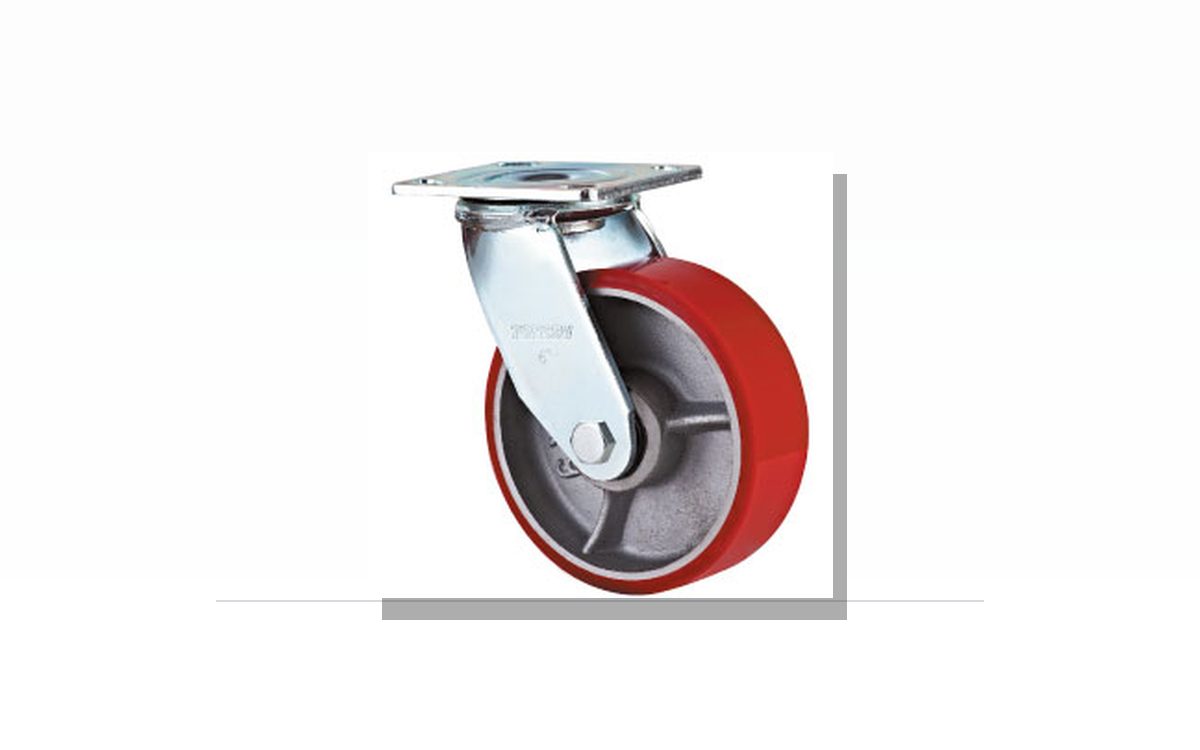
Caster Mass Production and Lead Time Management
How a caster factory runs mass production, controls lead time for OEM orders, and keeps supply resil...
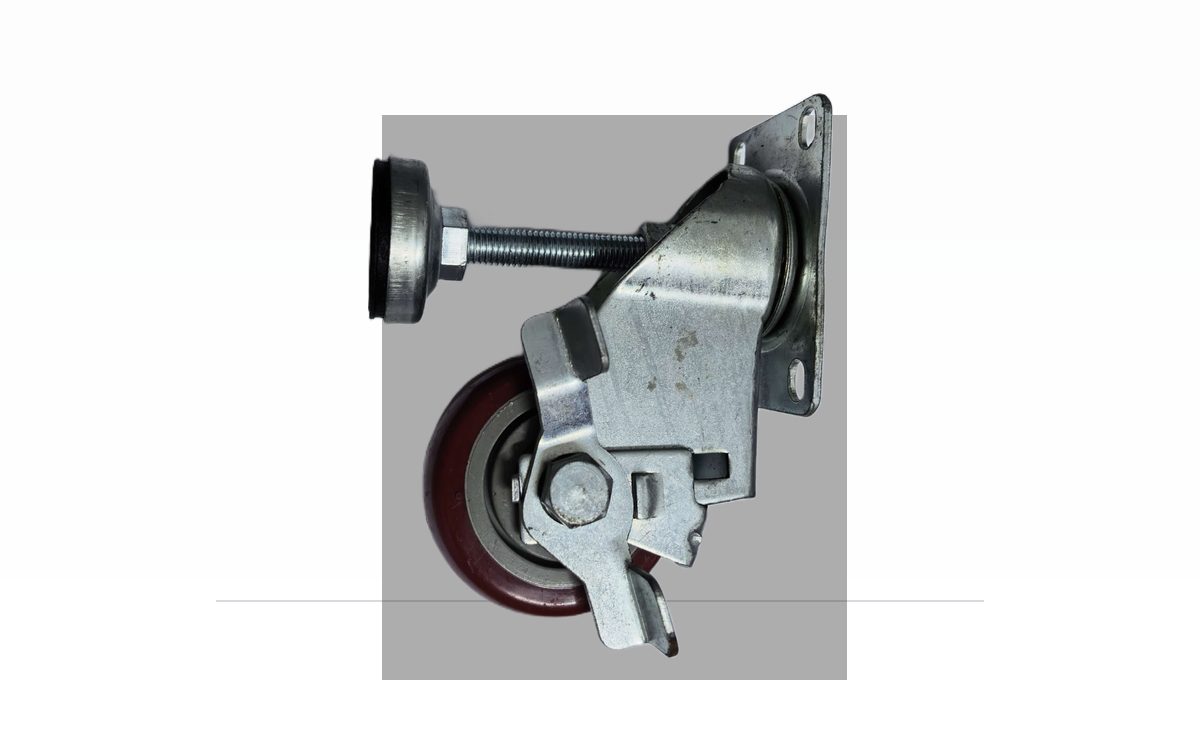
Caster Prototyping and Rapid Sampling for OEM Buyers
Why physical caster samples matter, how rapid prototyping de-risks an OEM project, and what to check...
OEM Caster Design Process: From Drawing to Production
How an OEM caster factory turns your equipment drawing into a custom leveling or heavy duty caster, ...
The OEM and ODM Process, Sampling and Confidentiality
Working with us as an OEM or ODM partner follows a defined sequence, and each step produces a document both sides sign off before the next step begins. This structure is what lets us handle your drawings, your branding and your product mix without ambiguity, and it is the reason export buyers return to us order after order.
It starts with your inquiry. We ask for load capacity, wheel diameter, bracket type, brake requirements, floor and environment, target quantity and any existing drawings or reference samples. Our engineers then confirm the specification with you in writing: rated load per caster, material choices, mount style, finish and packaging. A confirmed specification sheet becomes the reference point for everything that follows, and any later change is logged as a revision rather than whispered across a chat.
Sampling comes next. We build prototype samples on existing tooling or, where needed, on soft tooling, and we send them to you for physical evaluation. Your team tests fit, rolling effort, brake feel and appearance against the real application. We revise the design on the basis of that feedback, and the sampling loop continues until the sample is approved in writing. We budget for more than one sampling round because a good first sample that solves real problems is worth more than a fast first sample that does not.
Trial production follows sample approval. A small first run is made on the actual production line rather than by hand, so you see how the design performs with real equipment, real fixturing and real inspection rates. Trial-run units are inspected against the same standards as mass production, and any adjustments are closed out before volume is released. This step catches the gap between a hand-built prototype and a stamped, welded and molded part, which is where most ODM projects lose time if it is skipped.
Mass production then runs in confirmed batches, with route cards, in-line checks and outgoing inspection tied to your approved specification. Final QC samples are retained, and we provide shipping documentation, packing lists and, where required, inspection reports for the batch. Delivery follows with the agreed Incoterms and forwarder arrangements, and your account contact remains the same person through the whole program so that history is never lost between orders.
On confidentiality: we treat every technical exchange as protected information. We can sign an NDA at the inquiry stage, before drawings are shared. Your product drawings, wheel formulations, bracket designs and supplier-specific requirements are restricted to the engineering and production staff who need them, and they are not reused in projects for other buyers. Your brand identity, labels and packaging artwork are handled exclusively for your orders, and we do not disclose that you are a customer, or share product photos that identify your private-label line, without your written permission.
This process is deliberately boring. It is documented, repeatable and predictable, and that predictability is what your own customers buy from you when they buy your branded casters.
We also handle the export paperwork that an OEM program depends on. Commercial invoices, packing lists, specification sheets aligned to your brand, and any origin or compliance documents your destination requires are prepared against the same approved specification, so the cartons, the labels and the paperwork all describe the same product. Private-label artwork files are held on a secure basis and printed only against confirmed orders, never run off-spec for another customer. If your program grows and you want a standing framework agreement covering repeat orders, we can structure that too, so reorders become a documented routine rather than a renegotiation every quarter. This structure also makes it easy to onboard new team members on your side, because the process, the documents and the approval points are already defined rather than living in one person's memory.








