
Welcome to the SyncCasters blog. Here we share insights, tips, and stories about heavy duty casters, material handling, and caster manufacturing from the perspective of a professional caster factory.
Read our blog to stay informed about the caster industry and learn how SyncCasters can support your business.
Blog Articles
Our blog covers topics like:
- Industry trends and market analysis for heavy duty casters
- Product development and manufacturing process stories
- Customer case studies and application examples
- Tips for importing and sourcing casters from China
- Caster selection guides and technical explanations
- Factory updates and new equipment
Subscribe to our blog to get the latest updates from SyncCasters, your reliable heavy duty caster manufacturer in China.
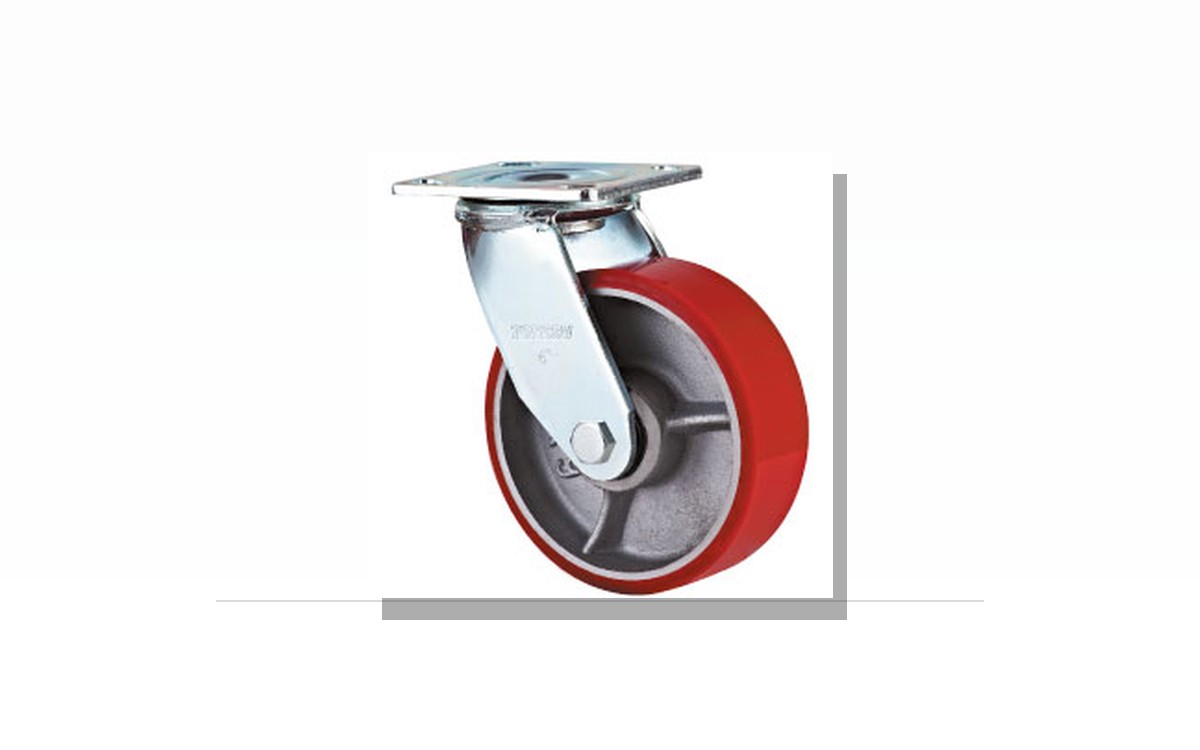
How to Calculate Caster Load Capacity Using the N-1 Method
Learn the N-1 caster load calculation method, safety factors by environment, and worked ex...
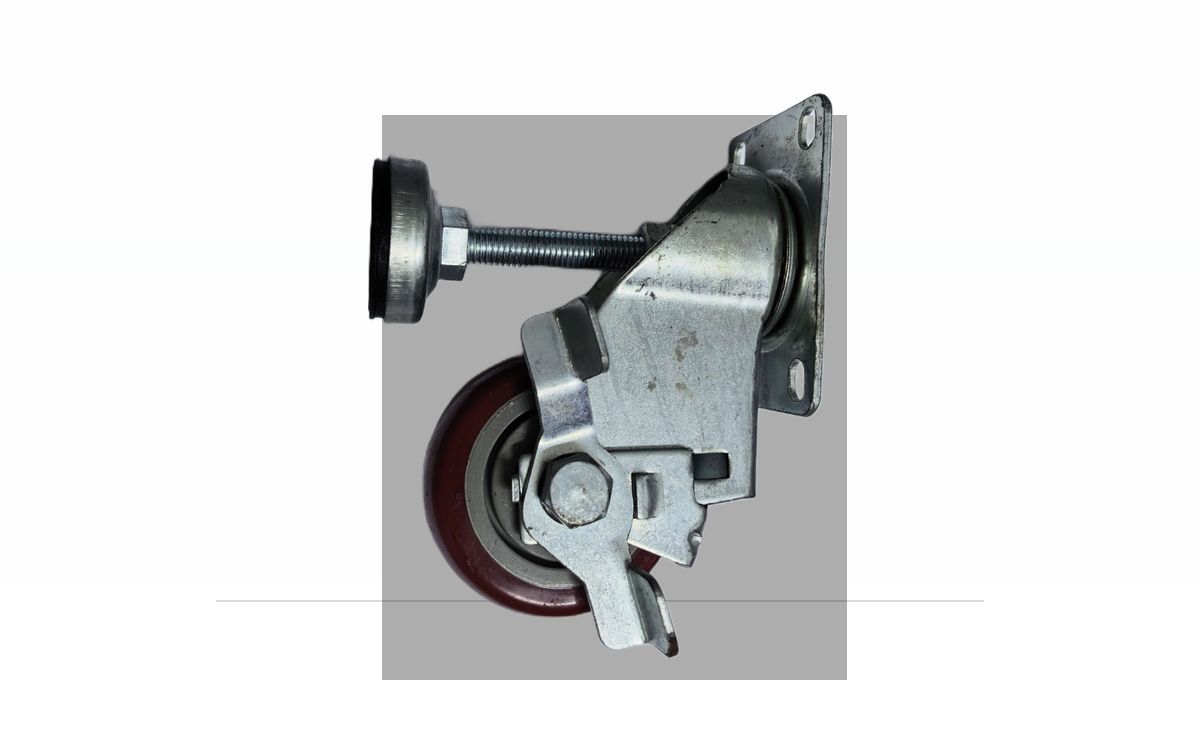
Caster Maintenance and Lubrication: Extend Wheel and Bearing Life
A practical caster maintenance and lubrication schedule covering cleaning, grease, bearing...
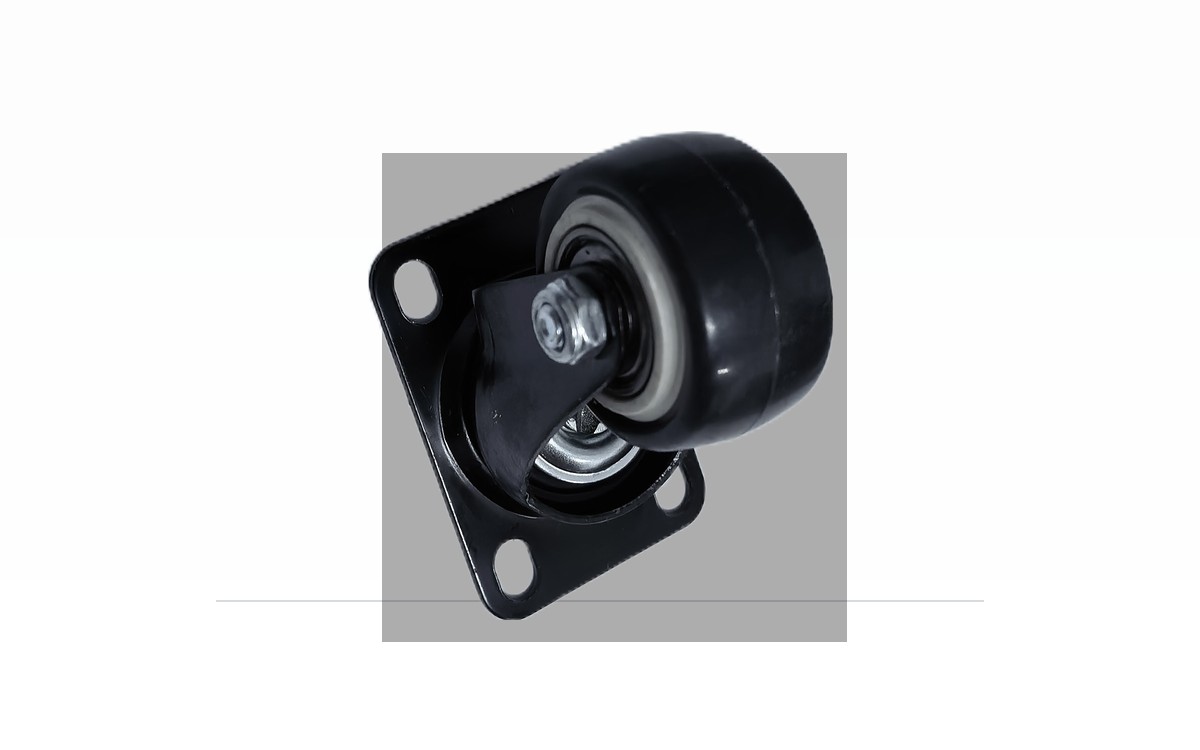
Caster Wheel Materials Compared: PU, Nylon, TPR, PP and Rubber
Compare caster wheel materials polyurethane, nylon, TPR, polypropylene and rubber by load ...
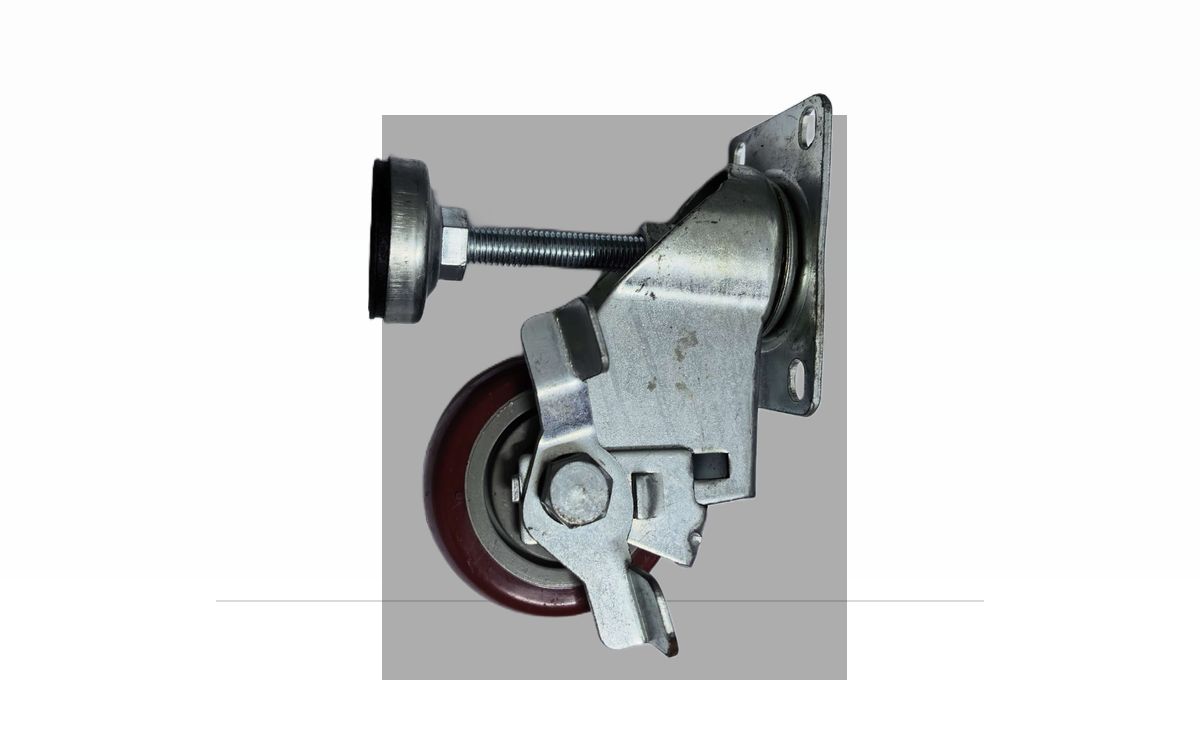
How to Install Casters Correctly: Plate, Stem and Brake Types
A clear guide to caster installation: top plate versus threaded stem mounting, swivel and ...
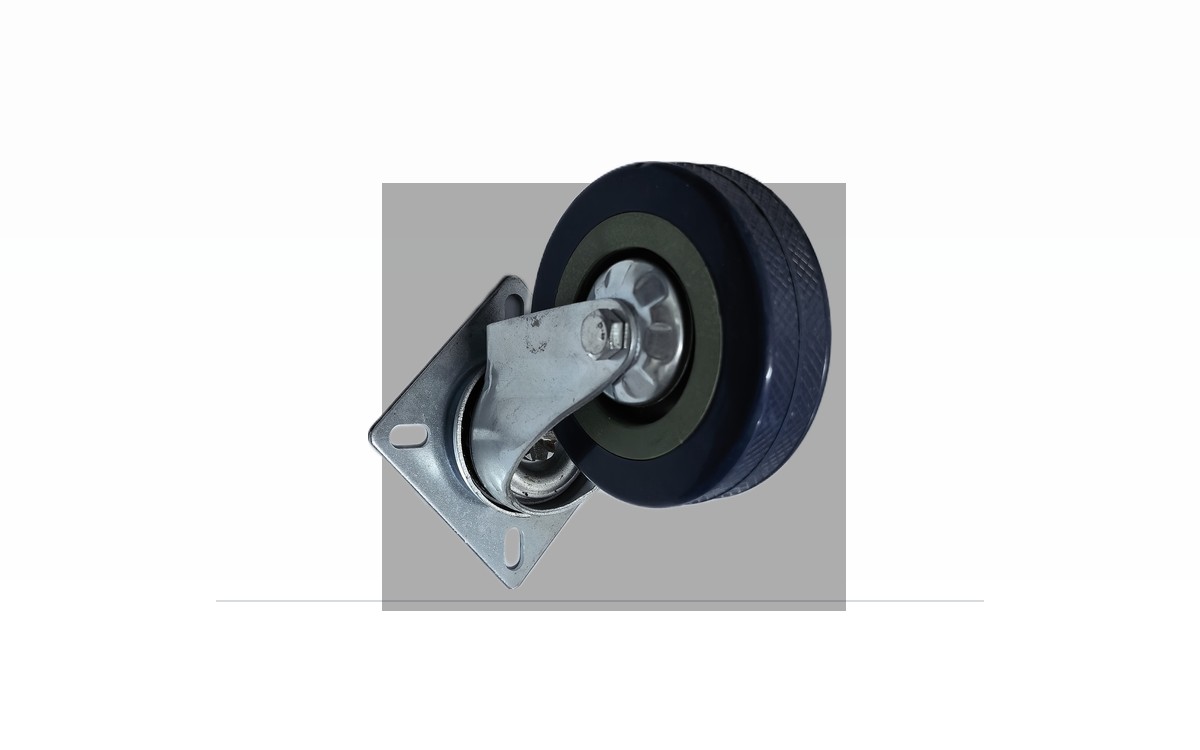
Common Caster Problems: Squeaking, Sticking, Wobble and Wear
Troubleshoot the most common caster faults squeaking noises, hard rolling, wobbling, prema...
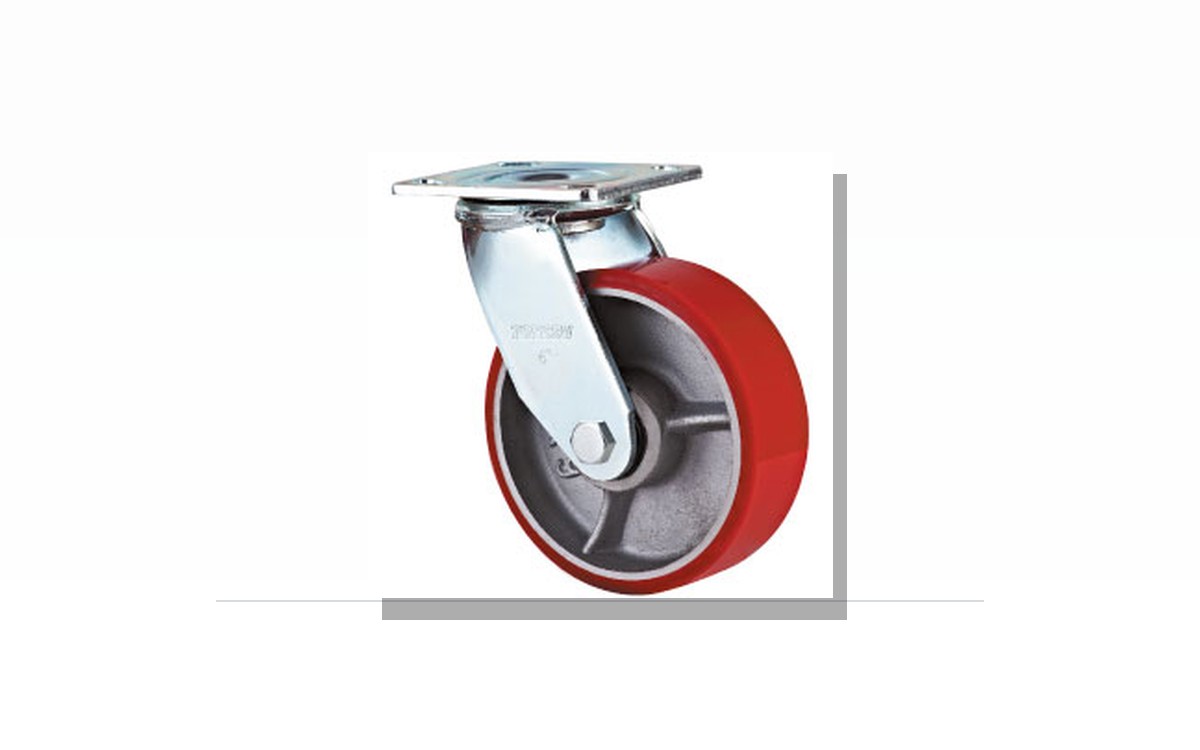
Light Duty vs Heavy Duty Casters: How to Choose the Right Class
Understand the difference between light, medium and heavy duty casters by load, wheel size...
What We Write About on the SyncCasters Blog
Our blog is where we publish the long-form version of what we tell buyers in email every week. The recurring subjects fall into five areas, and we update them continuously rather than post once and leave it. A blog that stopped updating years ago tells a visitor more about the company than any about page, so we treat publishing as part of the operation.
Selection articles answer the most common sourcing questions: how to calculate the load per caster with a safety margin, how to choose between swivel casters, rigid casters and combined layouts, how to pick a brake style, and how wheel diameter changes rolling effort and obstacle clearance. These posts are practical templates you can apply to your own trolley or rack. If you have ever stared at a catalog wondering where to start, these articles are written for that moment.
Material articles go deep on wheel compounds: polyurethane hardness, tread bonding, phenolic wheels for high temperatures, nylon wheels for washdown, cast iron hubs for extreme loads. We explain the trade-offs in plain terms because choosing a wheel material is where most caster problems originate. A wheel that delaminates, flat-spots or hardens out of temperature range was almost always the wrong material for the job, and these posts explain how that mismatch happens and how to avoid it.
Application case articles document real deployments: a warehouse upgrade, a manufacturing line change, a food factory washdown requirement, a hospital mobility project. Each case describes the load, floor, environment, the wheels chosen and the result, so you can compare your own scenario against a solved one rather than a marketing brochure. We keep the specifics generic enough to protect customer confidentiality but concrete enough to be useful.
Maintenance articles cover daily reality: inspection checklists, bearing service, brake adjustment, wheel cleaning, and when to replace a caster rather than repair it. These pieces are written for maintenance teams, not just purchasers. A small investment in scheduled inspection prevents the much larger cost of a dropped load in a live production line.
Industry trend articles track material handling shifts: automation and AGV integration, warehouse noise reduction, sustainability expectations, and how procurement is moving from lowest price to total cost of ownership over the caster's life. These posts connect factory-level decisions to the market shifts our buyers themselves are responding to.
We keep publishing because a blog that stops updating stops being useful. If there is a topic you need researched for your own procurement decision, suggest it. The questions buyers ask us directly are often the posts that help the next reader most, and we would rather answer your real question than write a hypothetical one.
The posts are written by the engineers and account managers who handle daily inquiries, so the examples come from real situations: a trolley that needed a specific brake, a floor requirement that narrowed the wheel choice to one compound, a cold-storage project that changed the bearing spec. Readers can use these posts internally too, as short training material for maintenance staff or as a quick reference when a new technician joins the team. If a post proves useful to your own team, sharing it internally is exactly what it is for. Over time, the blog also becomes a record of how common problems were solved in real deployments, which is far more useful to a buyer than a catalog of features that never explains why a feature exists. Each post links back to the product families it concerns, so a reader who lands on the blog for advice can move directly into the relevant catalog page without leaving the site.








