
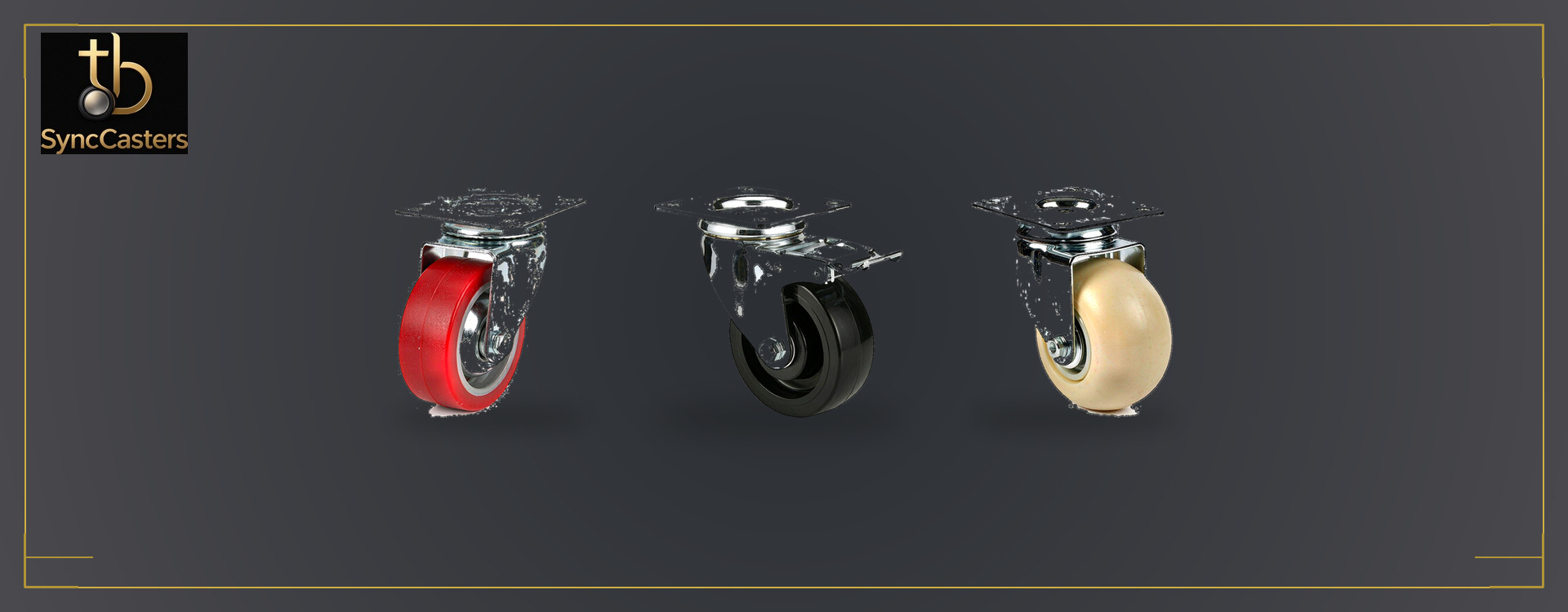
SyncCasters invests in research and development to continuously improve our heavy duty caster performance, durability, and safety. Our in-house R&D center is equipped with load testing machines, fatigue testing equipment, and material testing labs to ensure every heavy duty caster meets the highest quality standards.
We work closely with our clients to understand their specific application challenges, from warehouse logistics to heavy industrial equipment, and design custom caster solutions that perform reliably in the toughest environments.
R&D Facilities and Testing Capabilities
Our R&D center is equipped with advanced testing equipment including:
- Load testing machines up to 5 tons capacity
- Fatigue testing equipment for continuous rolling simulation
- Salt spray test chamber for corrosion resistance evaluation
- Coordinate measuring machine for precision dimensional inspection
- Material testing lab for wheel hardness and composition analysis
Every new heavy duty caster model undergoes rigorous testing before mass production, including static load tests, dynamic fatigue tests, rotation torque tests, brake performance tests, and impact tests. This ensures that every caster we ship meets the highest standards of quality and reliability.
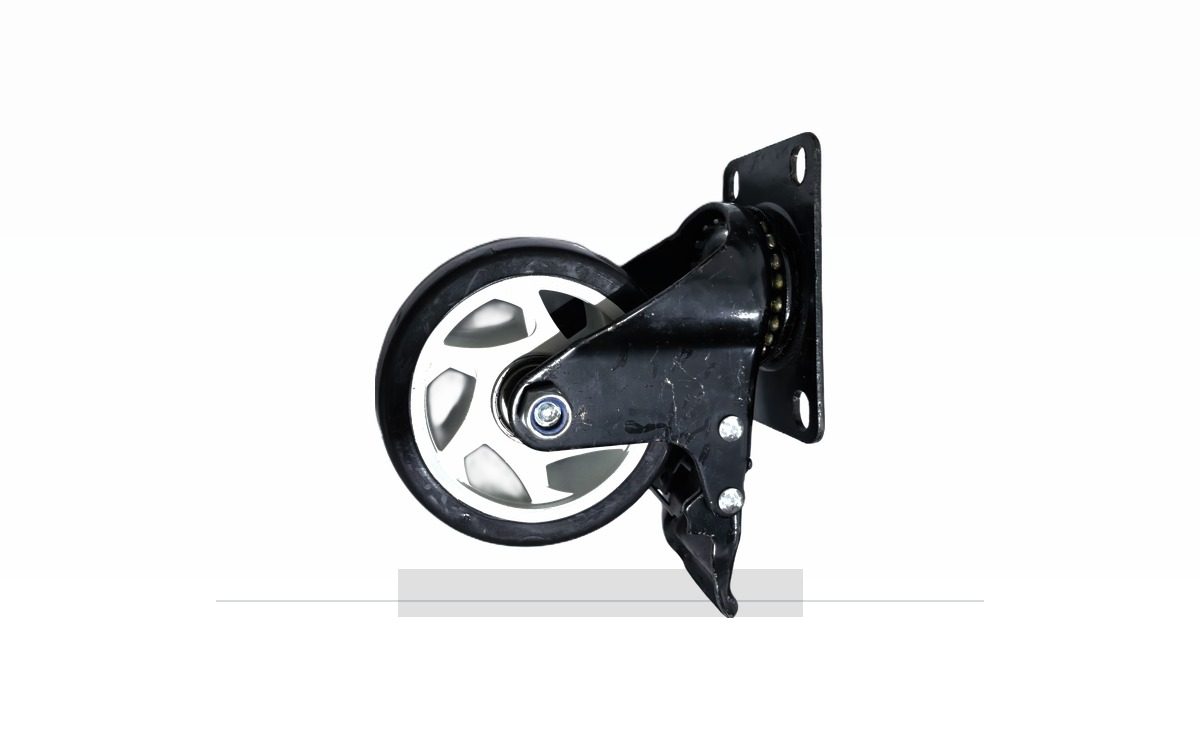
R&D for Automated Production Lines: Designing Casters That Integrate
How caster R&D now centers on integrating wheels with automated assembly lines, AGV docking stations...
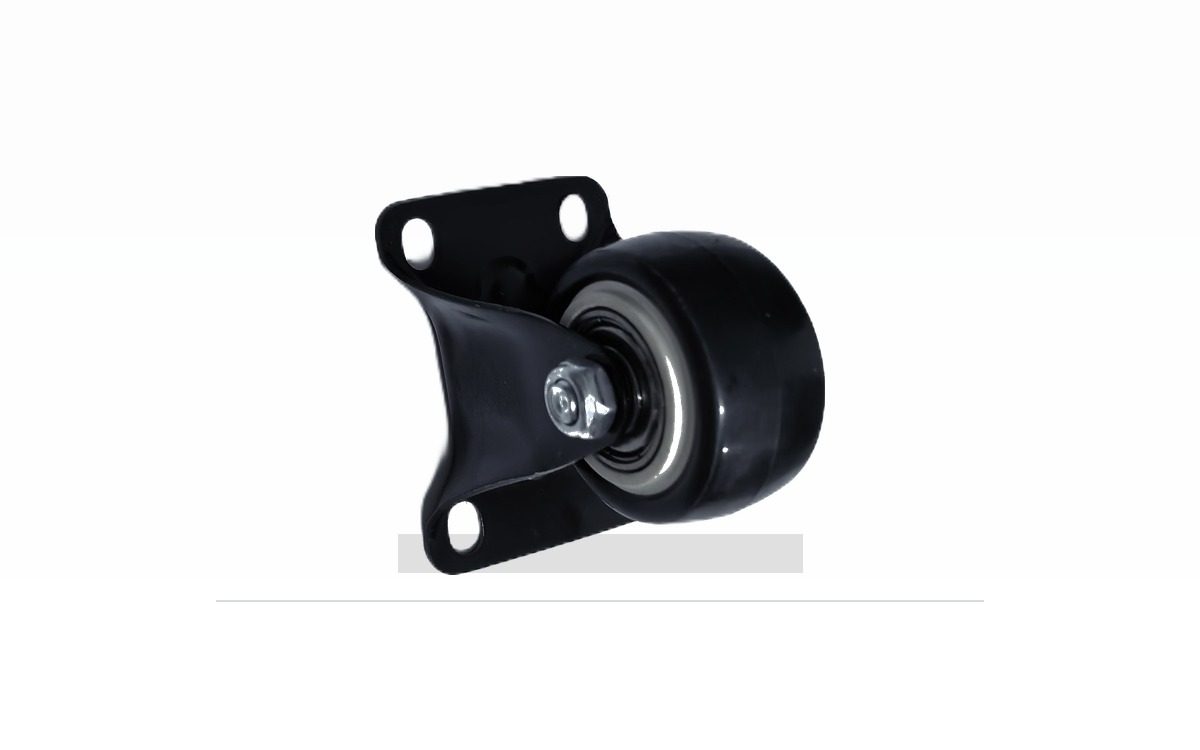
Specialty Caster Materials: Anti-Static, High-Temperature and Pneumatic-Free Wheels
R&D validation of conductive anti-static treads, high-temperature wheels, foam-filled puncture-proof...
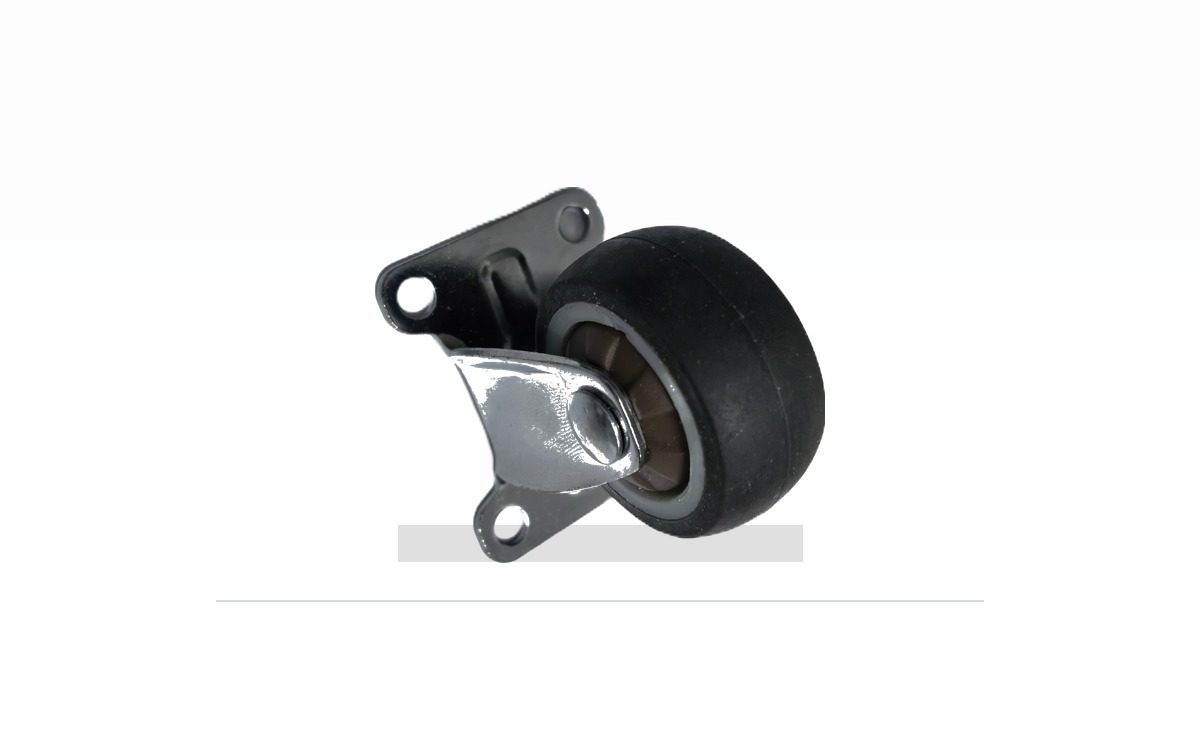
Caster Noise Reduction Engineering: Quiet Wheels for Modern Workspaces
How wheel treads, swivel isolation, bearing sealing and spring-shock designs reduce caster noise, an...
Caster Load and Impact Testing: How Capacity Is Proved
Behind every caster load rating is a test method: static and dynamic load tests, impact drops, swive...
Testing Equipment and Ongoing R&D Directions
Validating heavy duty caster performance before release is what turns a rated load capacity from a number on a drawing into a number a buyer can trust. Our Zhongshan engineering group runs an in-house test bench that covers the failure modes buyers actually experience in the field, and every new caster design or modified wheel compound moves through the same structured trials before production approval.
Load capacity testing is the starting point. A hydraulic load test rig applies controlled static and dynamic vertical loads to swivel casters, rigid casters and complete caster assemblies. We measure frame deflection, kingpin deformation and wheel indentation under load, then inspect for permanent set once the load is released. Wheel-only compression checks help confirm polyurethane tread bonding and hub alignment so that a wheel will not delaminate at its rated load. These results are recorded per model and retained as part of the batch documentation.
Rolling durability testing comes next. A rolling test stand drives wheels and full casters over a defined distance at a set load and speed, on smooth steel surfaces and on simulated rough flooring. The test tracks rolling resistance, bearing temperature, tread wear and swivel joint looseness over time. Wheels that pass show stable resistance throughout the run and no visible flat spotting on the polyurethane tread, which is the early warning sign that a wheel is nearing the end of its service life. We also compare revised compounds against a previous generation so that development decisions are based on measured improvement rather than assumption.
Impact and brake testing address the events users least expect. Guided-mass impact trials simulate edge loading and sudden drops, checking that brackets do not crack or permanently bend. Brake testing evaluates face-contact and total-lock brake mechanisms under loaded rolling conditions: lever force, locking reliability and release consistency are all recorded. A brake that locks on the first try in a showroom but slips under load on a warehouse line is exactly what this step is designed to catch before shipment.
Environmental and corrosion testing covers the conditions catalog numbers rarely mention. Salt spray and humidity chambers assess plating quality on brackets and fasteners, while temperature cycling checks wheel behavior in hot warehouses, cold storage rooms and outdoor installations. Cleanability and chemical exposure tests support food industry and washdown applications, where polyurethane wheels and sealed bearings must survive repeated cleaning without seizing.
Beyond today's catalog, our development work follows five directions. New wheel compounds: refined polyurethane formulations and tread profiles for lower rolling resistance and longer wear. Automation and AGV-ready casters: precision swiveling, predictable resistance and quiet operation for automated guided vehicles in modern warehouses. Motorized caster development: integrated drive options for power-assisted heavy equipment. Sustainability: lower-waste manufacturing, recyclable wheel materials and plating processes with reduced environmental impact. Noise reduction: dampened swivel joints and tread geometries designed to limit squeal on hard floors in hospitals, schools and office environments.
Each concept moves through the same loop: design review, bench testing, field-trial samples, then production release. If your application has an unusual load, floor or environment, we can run a sample program against it before you commit to volume.
Our test equipment is maintained as carefully as the products it evaluates. Load rigs are re-calibrated on a schedule, rolling stands are checked for belt and bearing wear, and brake test setups are verified against reference samples before each campaign. A test result is only as trustworthy as the instrument that produced it, and we treat calibration records the same way we treat inspection records: filed, numbered and available for audit. For buyers who run their own incoming tests on our samples, we are happy to share our method sheets so your bench and ours measure the same things the same way, which removes the most common source of supplier disputes.








