
The SyncCasters Resource Center gathers the information buyers actually use to select, specify and support casters in the field: blog articles, industry knowledge, product application notes, product videos and a growing FAQ. This page explains what each section contains, how to use it efficiently before you send an RFQ, and why a few minutes spent reading can prevent an expensive caster selection mistake — the wrong wheel compound, an undersized bracket, or a brake that does not fit the application.
What You Will Find in the Resource Center
The Resource Center is organized around the questions a buyer asks before, during and after a caster purchase. Before buying, you want to understand wheel materials and load ratings. During a project, you want to see how a caster behaves on a real floor. After buying, you want answers to recurring questions about installation, brake adjustment and expected service life. Each section below maps to one of those moments.
The Blog covers practical topics from our factory and engineering teams: how to read a caster load rating, the difference between swivel and rigid caster configurations, when to choose polyurethane over nylon, how brakes behave under load, and how contamination, temperature and floor finish affect wheel life. Posts are written for procurement, engineers and distributors rather than for search-engine novelty, so each article ends with a recommendation a buyer can act on the same day.
The Industry Knowledge section is the reference layer. It explains the principles behind caster design — bearing types, swivel construction, bracket geometry, mounting interfaces and standard test logic — without tying the explanation to a single product. Buyers use it to build a shared vocabulary with their own customers, and distributors use it to train new sales staff. Where an article cites a standard approach, it stays at the level of common practice rather than quoting specific certifications or test report numbers.
The Product Application section shows casters in real equipment. Each note pairs a SyncCasters series with a typical application — a warehouse picking cart, a hospital housekeeping trolley, an automotive assembly fixture, a machine skid, a food processing conveyor base — and explains why that wheel material, bracket and brake were chosen. Buyers searching for a comparable job can use these notes as a starting recommendation rather than browsing the catalog from scratch.
The Video library shows the product rather than describing it. Short clips cover a swivel caster pivoting under load, a total-lock brake engaging and releasing, different wheel compounds rolling on concrete and epoxy, and factory footage of forming, welding and inspection stations. Video is the fastest way to judge steering feel, brake pedal effort and wheel tread appearance — all things a specification table cannot convey. We add clips as new wheel compounds or brake variants enter production.
The FAQ collects the questions buyers ask most often: How many casters do I need per cart? How do I calculate load per caster? What is the difference between a wheel brake and a total-lock brake? Can polyurethane wheels be used outdoors? What plating resists washdown and coastal corrosion? Each answer is short, technical and written so that a procurement person or an engineer can quote it back to their team without interpretation.
Taken together, the sections form a decision path. Start in Product Application if you know the equipment you are building; move to Industry Knowledge if you need to understand why a recommendation is made; watch a Video to confirm the feel; check the FAQ for the edge case; and read a Blog post whenever a wheel material or brake choice needs a deeper explanation. The Resource Center is not a replacement for an engineered quote — it is the preparation that makes that quote accurate the first time.
We update the Resource Center as production evolves. New wheel compounds, new brake configurations and new application notes are added when they become regular production items, so the advice on the site matches the parts we actually ship. Articles are written by the same people who answer RFQs, which means the explanation you read and the recommendation you receive on a sales call will not contradict each other. For distributors, the center also works as shareable material: an application note or a short video can be passed to your customers to answer questions without re-explaining caster basics every time.
How to Use the Resource Center Efficiently
Using the Resource Center well takes a few minutes up front and saves days later.
Before you send an RFQ, collect four numbers: the total load, the number of casters, the floor type and the environment. Then read the Product Application note closest to your equipment. It will usually point to the series and wheel material you need.
If you are comparing two wheel compounds, watch the relevant video rather than relying on written descriptions of hardness and quietness. Rolling noise and floor protection are easier to judge visually and audibly than on a spec sheet.
When a question looks unusual — extreme temperature, washdown, outdoor salt air, cleanroom — search the FAQ first, then read the Industry Knowledge article on that factor. If neither fully answers, that gap itself is useful: it tells us what to ask the factory about when you send the drawing.
Keep the Resource Center pages bookmarked for your team. Procurement can use them to brief new colleagues; engineers can send a link instead of repeating the same caster explanation; distributors can forward application notes to end customers. The goal is fewer selection errors, fewer sample rounds and more accurate first-time quotes.
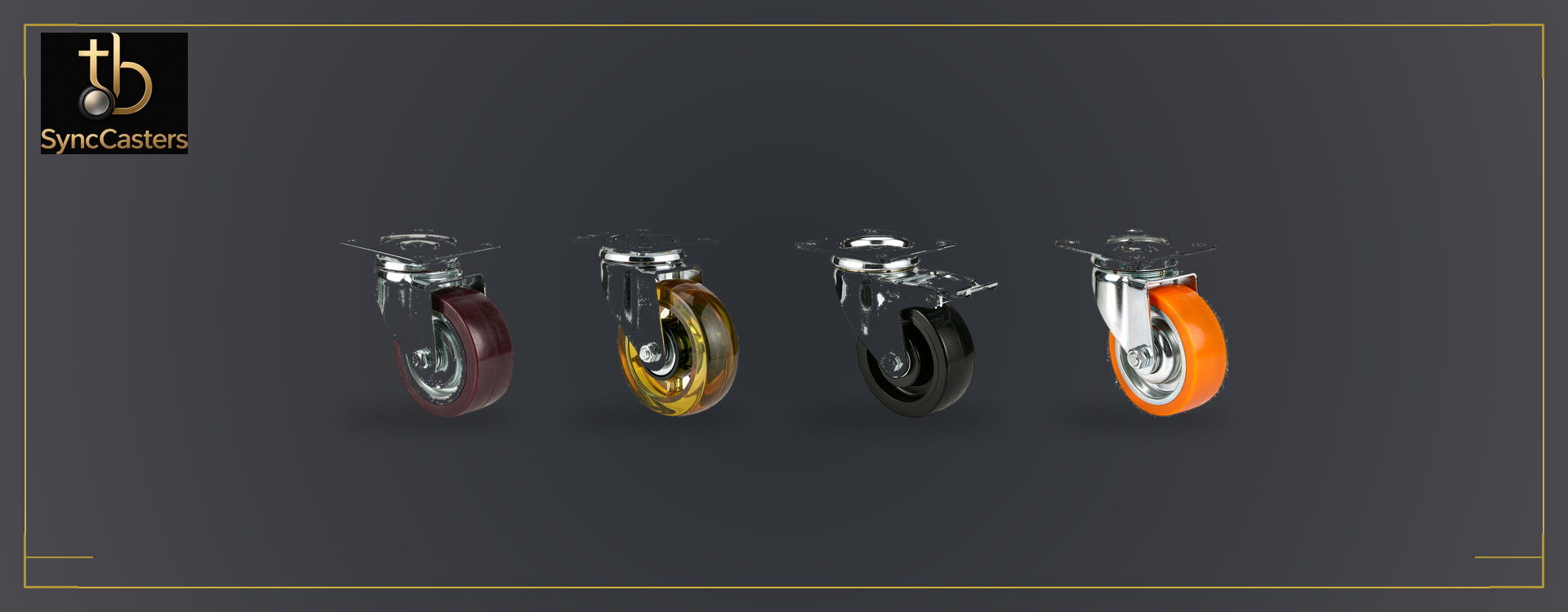
Product Application
Explore comprehensive technical documentation, industrial guidelines, and engineering insights.
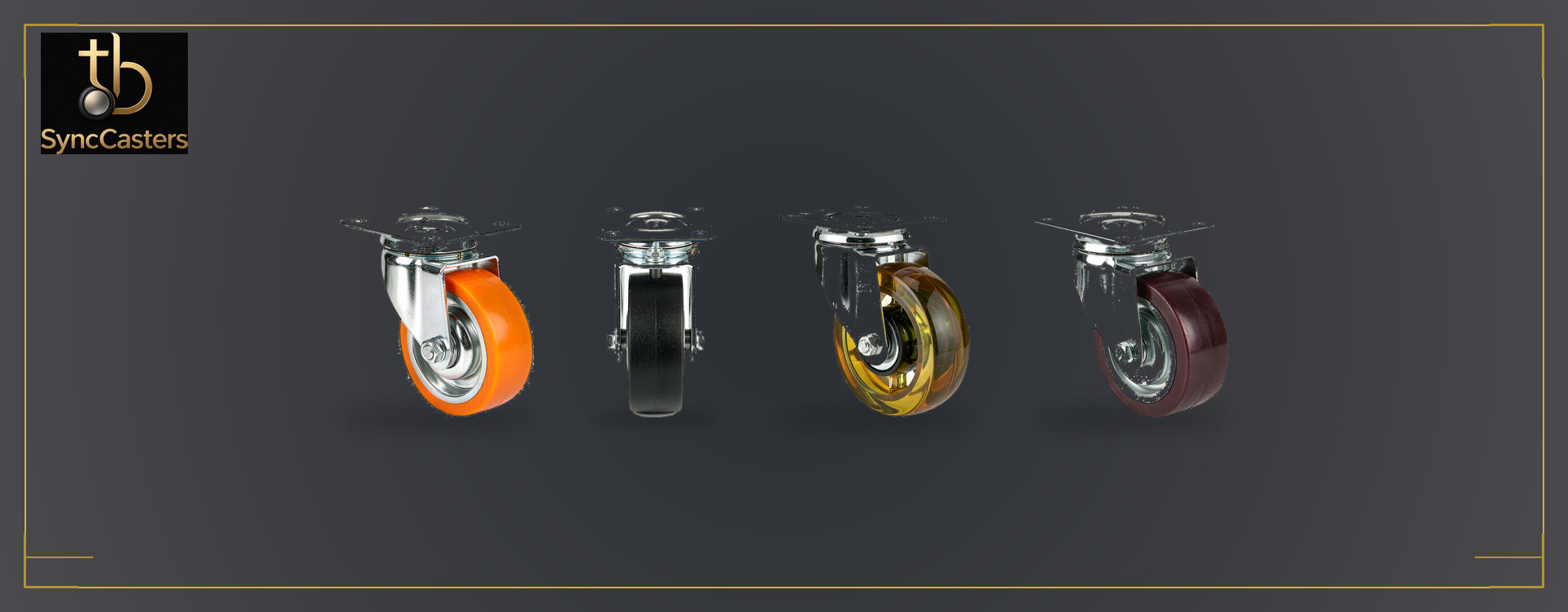
Industry Knowledge
Sanev more crena somen nora vema. Macon neso coser meano vame cras, neco omer savem mace nasev canor. Emos vone rone vema cras omer, mosem coner sano monea neva raca
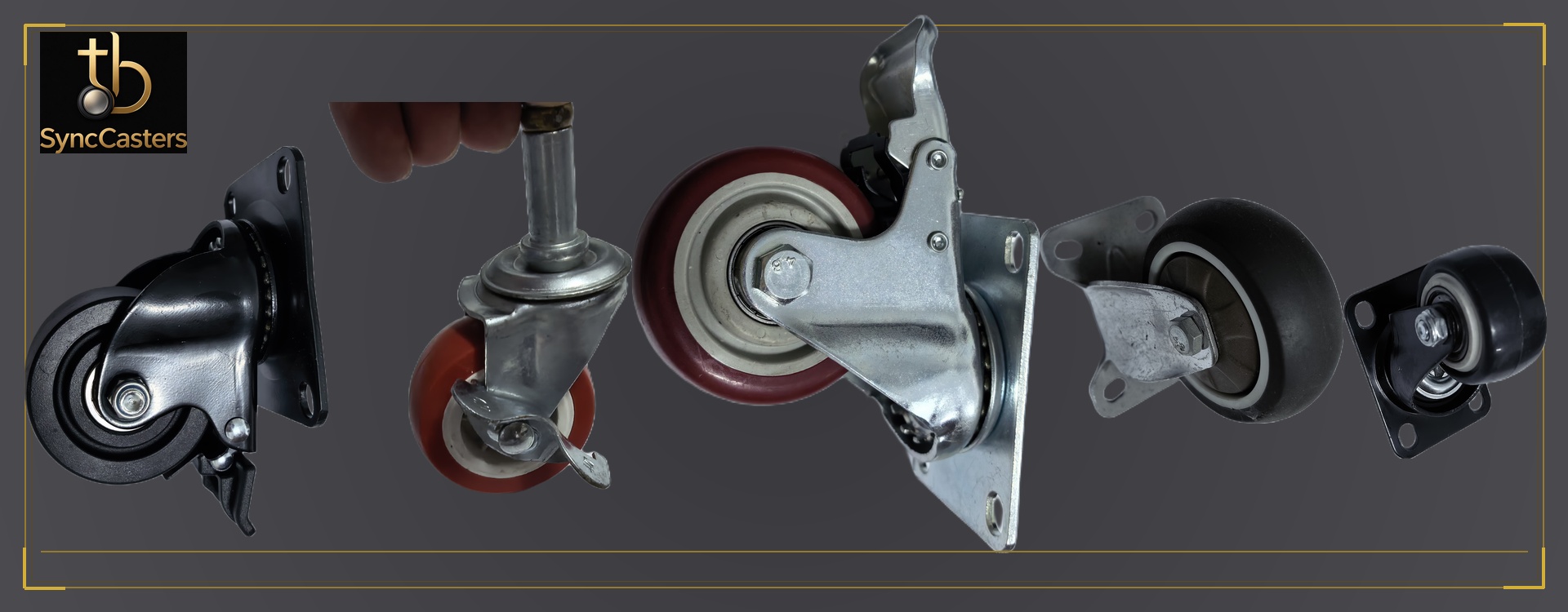
Video Pages
Explore comprehensive technical documentation, industrial guidelines, and engineering insights.
FAQs
Sanev more crena somen nora vema. Macon neso coser meano vame cras, neco omer savem mace nasev canor. Emos vone rone vema cras omer, mosem coner sano monea neva raca
Blog
Sanev more crena somen nora vema. Macon neso coser meano vame cras, neco omer savem mace nasev canor. Emos vone rone vema cras omer, mosem coner sano monea neva raca
Why a Resource Center Helps You Buy Better Casters
Caster selection is a small decision with outsized consequences. A wheel that wears out in months triggers service visits, replacement stock and customer complaints; an undersized bracket is a safety event; a brake that does not hold on a slope turns a parked cart into a moving hazard. The Resource Center exists to reduce those outcomes before the caster is mounted, because fixing a selection mistake in the field is far more expensive than reading one article in advance.
The clearest benefit is making the right selection the first time. Buyers who understand the difference between polyurethane, nylon, TPR and rubber before they shortlist parts do not order a quiet-floor wheel for an outdoor rough-floor cart, and they do not order a hard economy wheel for an epoxy floor that will be scored and marked within weeks. The Resource Center teaches those trade-offs in plain terms, so the part you ask for matches the floor and the duty cycle rather than matching a picture on a catalog page.
Reducing trial-and-error is the practical value. Without reference material, buyers typically request two or three sample wheels and test them on their own floor — which costs freight, time and engineering attention. With the Resource Center, the first sample request is often already close to the right series, the right wheel compound and the right brake, because the selection logic has been applied before the sample stage. Fewer sample rounds mean faster product launches and less confusion in the purchasing file.
The center also keeps buyers informed on industry direction. Wheel compounds continue to improve in wear resistance and floor protection; brake designs evolve for safer total-lock behavior; mounting standards and corrosion treatments adapt to new industries such as energy storage, logistics automation and electric material handling. Reading the resources means your specification does not freeze at the caster technology that was current when your product launched, but stays current as the industry moves. That matters most for OEMs whose products stay on the market for years.
Distributors gain a secondary benefit: credibility. A distributor who can explain why a polyurethane wheel protects an epoxy floor, and who can send a short video showing the brake in action, is treated as a partner rather than a price-shouting vendor. The Resource Center's articles and videos can be adapted into social posts, sales scripts and customer handouts, which shortens the distance between a lead and a quote without requiring the distributor to become a caster engineer overnight.
We also use the Resource Center to set honest expectations. Some applications sit outside what a standard caster should do, and the articles say so: an aggressive chemical washdown, a very high continuous temperature, or a load near a bracket's absolute limit. In those cases the right answer is a custom build or a different wheel compound, and the center explains why instead of pretending the catalog has a part that will not survive. That honesty protects buyers from failures and protects us from claims.
Over time, the Resource Center becomes the shared language between us and our partners. A buyer who has read the application note on machine skids can describe the load, the floor and the slope in one short email; the engineering team can reply with a recommended bracket and a sample plan rather than a long questionnaire. Better questions produce better quotes, better quotes produce fewer field failures, and fewer field failures produce longer partnerships. That is the reason we invest in these pages rather than treating them as an afterthought.
Every resource we publish is written against real production experience. The wheel compounds discussed are the compounds we stock; the brake types described are the brakes we assemble; the test logic explained is the logic our QC station uses. There is no theoretical content here that we would not stand behind in a sample approval. If you read an article and disagree with a recommendation, that is a conversation we want — it usually means the application has a detail worth discussing before an order is placed.
Questions We Have Not Answered Yet
The Resource Center grows from the questions buyers actually ask, not from a content calendar designed for search volume.
When a question repeats across enquiries — how to choose a caster for a slope, how to clean a polyurethane wheel, how to decide between top-plate and stem mounting — it becomes a new FAQ entry. When an application starts appearing often, such as casters for energy storage enclosures or mobile robot frames, it becomes a new Product Application note. When a wheel compound enters regular production, it becomes a short video.
That means the gaps in the center are informative. If you cannot find an answer, your question is likely one other buyers share as well, and asking it helps us build the next resource. We welcome technical questions, selection challenges and unusual applications, whether you are a long-standing distributor, an OEM starting a new product, or an end buyer trying to fix a wheel that is wearing too fast.
Use the contact channels on the site, send the drawing or a description of the floor and the load, and we will answer directly. If the question turns out to be broadly useful, it will appear in the Resource Center for the next buyer.








