
Making Casters That Last, Not That Are Thrown Away
Sustainability in the caster industry is not about green marketing; it is about making wheels and brackets that last longer and can be repaired rather than discarded. SyncCasters is moving its light duty ranges toward recycled polypropylene compounds and replaceable wheel designs, so a worn wheel can be swapped without scrapping the whole caster. The industrial caster wheels market continues to grow as automation and logistics expand, and we believe that growth should come with less waste. Durability, repairability and responsible materials are how a caster manufacturer reduces its footprint without compromising on the performance buyers rely on.
Recycled Polypropylene for Light Duty Wheels
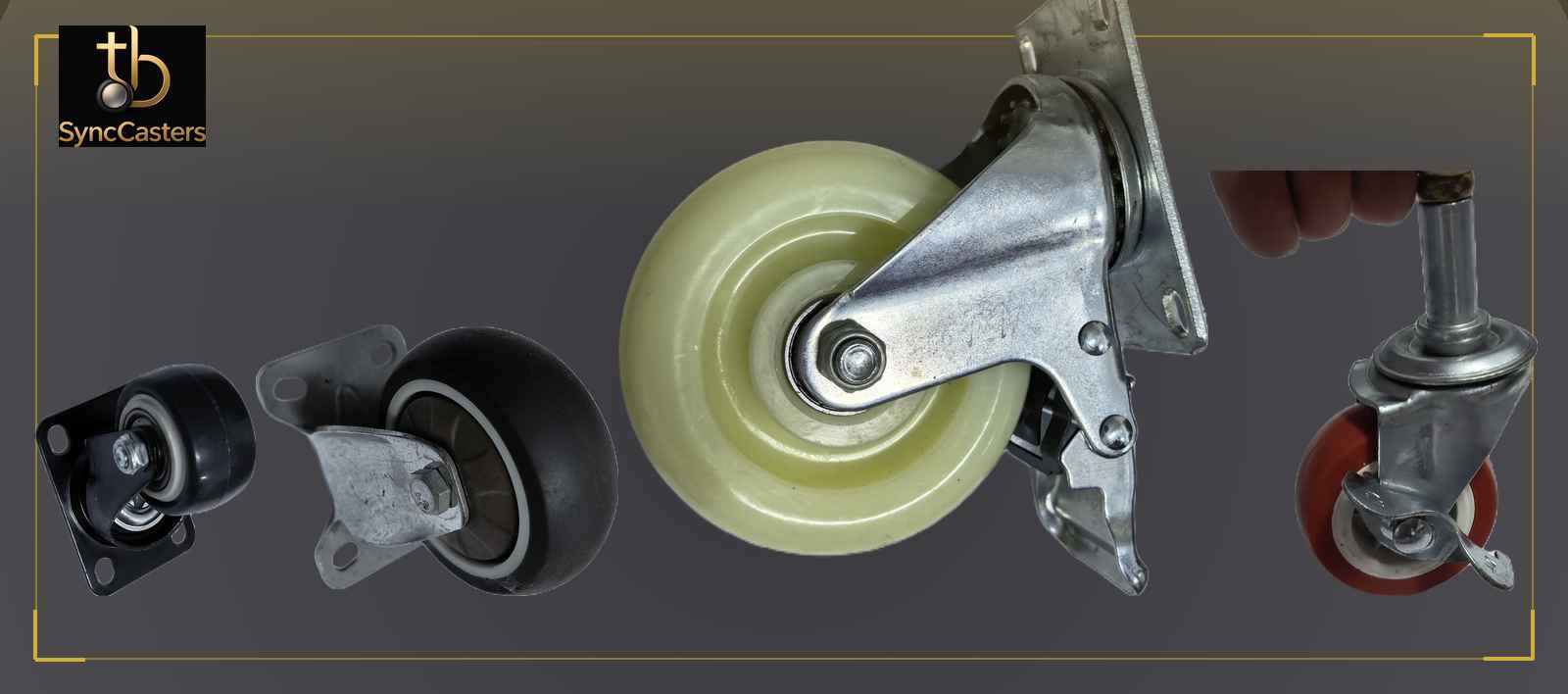
Polypropylene wheels are already a workhorse of light duty caster ranges: light, economical and highly resistant to water, chemicals and corrosion. We are increasing the recycled content in these compounds for light duty PP casters used on carts, racks and food service equipment, while maintaining load ratings and impact resistance. Recycled PP performs well in washdown and food environments, where hygiene and corrosion resistance matter. The result is a light duty wheel that protects floors and budgets while reducing virgin plastic use, without the performance trade-offs that early recycled compounds were known for.
Replaceable Wheels Reduce Whole-Caster Waste
The most sustainable caster is one you do not have to throw away. When a wheel wears out, a caster with a removable wheel lets maintenance teams replace just the wheel, keeping the bracket and swivel for years of further service. This is a small change with a large waste impact, especially in fleets of hundreds or thousands of casters. It also lowers total cost of ownership, because the expensive bracket outlasts the consumable wheel. We design our medium and heavy duty ranges with this logic in mind, so routine wear never becomes a whole-unit disposal event.
Durable Brackets Reduce Replacement Frequency
Sustainability also means building brackets that do not bend or crack. A steel bracket properly sized for the load carries its equipment for years, while an under-sized bracket fails early and sends the whole unit to scrap. By sizing brackets honestly, testing welds and using durable bearings, SyncCasters reduces the number of casters that reach the end of their life prematurely. In material handling, where casters run constantly, longer service life is one of the most effective environmental choices available, because it reduces both raw material consumption and waste disposal.
Sustainability That Buyers Can Specify
Durability and responsible materials pay off over the life of a caster, but buyers need to be able to specify them. The following points explain how to think about sustainability as a procurement criterion rather than a marketing checkbox.
Matching Wheel Material to Long Life
Material choice is a sustainability decision. Polyurethane delivers excellent wear life and floor protection, making it a long-lasting all-rounder for medium and heavy duty use. TPR wheels provide quiet, cushioned movement that extends the life of equipment on uneven floors. Nylon carries heavy loads but marks soft floors. By matching the material to the actual application rather than defaulting to the cheapest option, buyers get a caster that lasts longer and needs replacing less often. That extended service life is the biggest environmental lever in caster selection.
Reducing Floor Damage Reduces Replacement
Floor-friendly wheels are quietly sustainable too. Hard wheels that scratch and mark concrete, tile and epoxy floors accelerate the need for floor repair, which carries its own environmental and cost burden. Soft-tread and polyurethane wheels protect finished floors, extend floor life and reduce the energy spent resurfacing them. In warehouses with polished or epoxy floors, this benefit compounds across thousands of square meters, and it also reduces the cost of liability when equipment damages expensive finishes.
Designing for Disassembly and Recycling
As regulations tighten, especially in EU and North American markets, buyers increasingly ask how products are disposed of at end of life. Casters designed for disassembly, with separable wheel, bracket and bearing components, are easier to recycle than welded-together units. SyncCasters is designing its ranges with this in mind, so that casters reaching end of life can be processed responsibly rather than sent to mixed waste. It is a small step, but one that forward-thinking buyers are already asking for as they report their own supply-chain emissions and waste.
Sustainable Casters From SyncCasters
SyncCasters combines durable design, recycled wheel compounds and replaceable components across our light, medium, heavy and extra-heavy ranges, including TPR silent wheels, PP light duty wheels and polyurethane heavy duty wheels. Our leveling casters for machine tools, display racks, workbenches and industrial equipment are built to stay stationary and reliable for years. If sustainability is part of your procurement criteria, talk to our team about recycled content, repairability and long-life wheel options for your fleet.








