
Casters That Stand Up to Kitchens
Commercial kitchens are among the harshest environments for any component. Heat, steam, oil, water and constant cleaning challenge everything they touch, and casters are no exception. Yet kitchens depend on mobility: prep tables move between stations, cooking equipment is repositioned for cleaning, and serving trolleys carry food through busy dining rooms. A caster that fails in a kitchen does not just stop a trolley; it can close a station during service.
Food Prep Tables and Cooking Stations
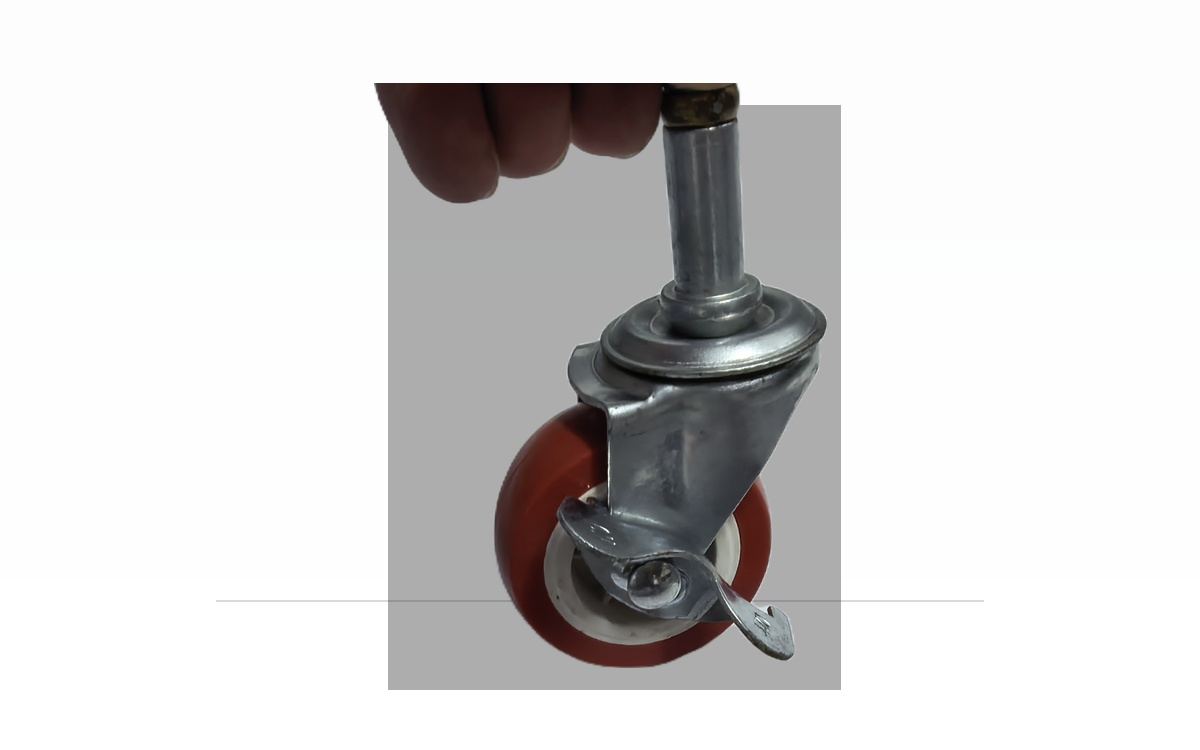
Prep tables and modular cooking stations are often designed on casters so kitchens can reconfigure their layout quickly. These casters carry heavy equipment plus food loads and must roll smoothly on tiled and sometimes greasy floors. Reliable brakes are essential so tables stay perfectly still while staff work on them. Because these units are frequently moved for deep cleaning, casters need sealed bearings that keep water and debris out.
Serving Trolleys and Banquet Equipment
Serving trolleys and banquet equipment move through dining areas where noise and floor protection matter as much as durability. Quiet wheels with soft treads prevent damage to floors and keep service unobtrusive. Trolleys must steer easily through tables and doorways, which makes all-swivel configurations popular for banqueting equipment. For hot food service, wheel materials must tolerate warm environments without softening or deforming.
Washdown Environments and Hygiene
Hygiene regulations require kitchen equipment to be cleaned thoroughly and frequently, often with high-pressure water and strong detergents. Casters in washdown environments must resist moisture, chemicals and corrosion over years of exposure. Stainless steel brackets and plastic or sealed components are preferred where water is unavoidable. Design details matter: smooth surfaces without crevices are easier to clean and less likely to harbor bacteria, which is a real consideration for food safety audits.
Choosing Kitchen-Grade Casters
Material Selection for Food Service
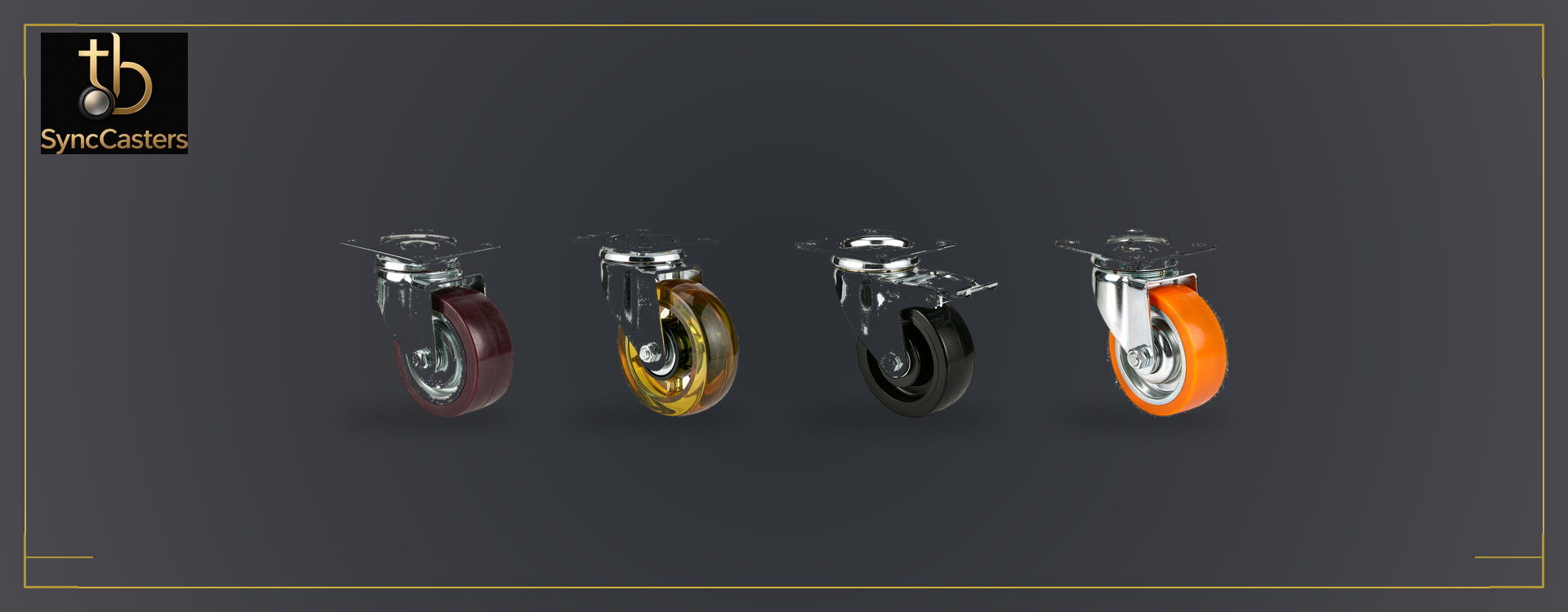
Wheel material determines how a caster performs in food environments. Thermoplastic rubber (TPR) offers quiet, floor-friendly movement and good chemical resistance, making it a strong all-rounder for serving trolleys and light food equipment. Polyurethane (PU) wheels add load capacity and resilience for heavier cooking stations, while resisting the oils and chemicals common in kitchens. Nylon wheels are hard-wearing and chemical resistant but can mark wet, tiled floors. Match the material to the load and the cleaning regime.
Heat, Moisture and Chemical Resistance
Kitchens expose casters to temperatures and chemicals that would degrade standard components. Wheel compounds must hold their shape near hot cooking equipment, and brackets must resist rust in humid, wet environments. Galvanized or stainless steel finishes dramatically extend caster life in washdown areas. When specifying casters for kitchens, verify that both wheel and bracket are rated for the cleaning chemicals actually used on site.
Easy Cleaning Design
Cleanability is a design property, not an afterthought. Casters with sealed bearings, smooth surfaces and minimal exposed hardware are dramatically easier to keep clean than open designs. For equipment that is washed down regularly, consider casters with protective seals and drainage-friendly geometries that do not trap water. This reduces both labor and the risk of contamination.
SyncCasters for Food Service
SyncCasters offers caster solutions engineered for commercial kitchens and food service, including corrosion-resistant brackets, TPR and PU wheels with quiet, floor-friendly performance and reliable brakes for stationary operation. Our range covers light to heavy duty options for prep tables, serving trolleys and banquet equipment, with OEM and ODM customization for special finishes and load requirements. Tell us about your kitchen environment, cleaning regime and equipment weight, and our team will specify casters that stay reliable through years of heat, water and constant service.








