
The Shift From Disposable to Serviceable Casters
For decades a worn caster was simply thrown away and replaced whole, wasting a perfectly good bracket, bearing and mounting. Modular caster design reverses that model: wheels, treads, brake pads and even swivel races become interchangeable components that can be swapped on the floor in minutes. The result is less downtime, lower inventory, lower cost of ownership and less waste, all of which matter more as buyers demand sustainable, maintainable equipment. Modularity turns a disposable part into a serviceable system that adapts as needs change. The environmental case is equally strong: reusable brackets cut the volume of cast metal sent to scrap each year.
Tool-Free Wheel and Tread Replacement
The core of modular design is the ability to change a wheel without special tools. A retained axle or quick-release hub lets a technician slide out a worn wheel and fit a new one in minutes, keeping equipment running instead of waiting for a whole caster replacement. When the tread wears but the hub and bracket are fine, replaceable PU or TPR treads restore performance without discarding the assembly. This is especially valuable on production lines where an unexpected caster failure can stop an entire station. Tool-free service also means maintenance can be done by existing staff rather than a specialist, which further cuts both time and cost.
Standardized Brackets Across Wheel Sizes
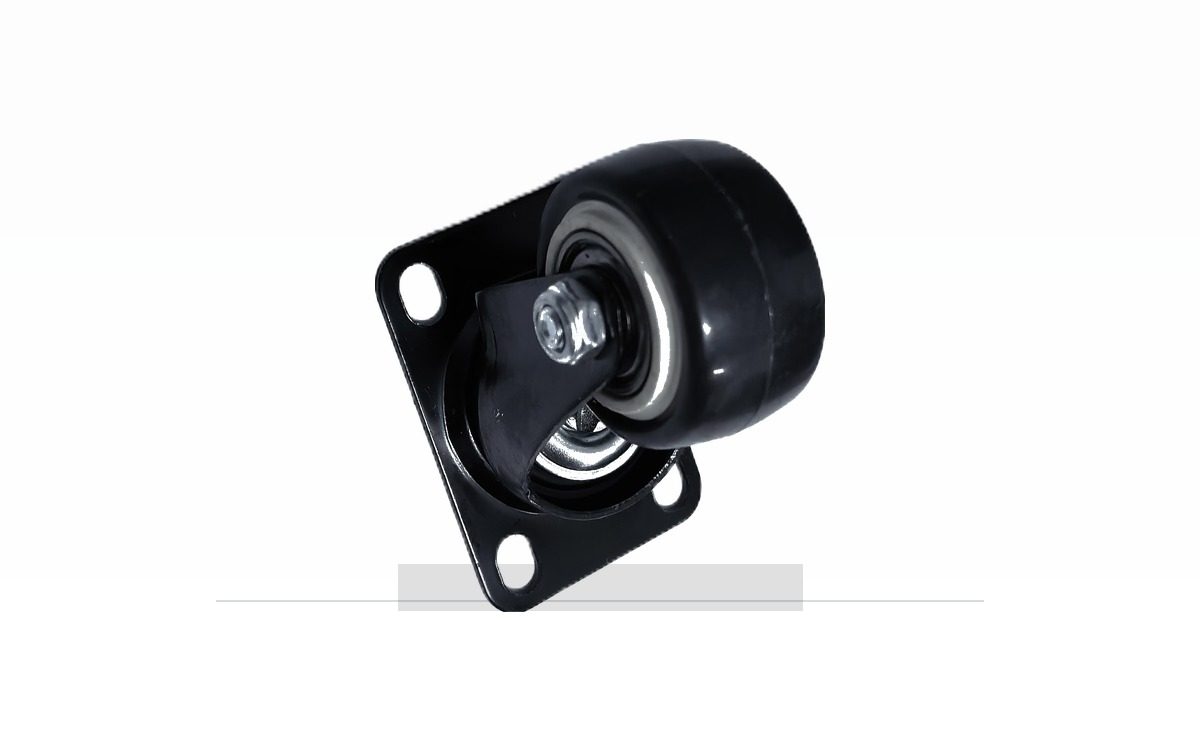
Modular thinking also standardizes the bracket. When one steel bracket platform accepts multiple wheel diameters, tread materials and brake types, buyers stock fewer brackets and mix and match wheels to each station's needs. A display department might fit TPR wheels to the same bracket that a warehouse uses with PU wheels, sharing part numbers and simplifying procurement. For leveling casters, a common bracket with an interchangeable leveling foot means the housing can serve both mobile and stationary equipment from a single family of components. This standardization reduces both the spare-parts catalog and the training needed to service it.
Serviceable Swivel Races and Bearings
The swivel race is the part that decides how easily a caster turns, and modular designs make it serviceable rather than sealed shut. Ball or tapered swivel races that can be relubricated or replaced extend caster life dramatically, particularly on heavy-duty carts that swivel thousands of times a day. Sealed precision bearings for the wheel hub reduce maintenance while remaining replaceable. This attention to serviceable internals is what separates a caster built for continuous industrial duty from a disposable light-duty unit. A serviceable race also means the caster can be restored to like-new turning after years of use rather than discarded.
How Modularity Reduces Real-World Costs
Lower Inventory and Faster Repairs
A modular caster program reduces the number of spare parts a maintenance team must stock. Instead of keeping a full caster for every equipment model, the team stocks the wheel, brake pad and axle that fit a shared bracket platform. When a failure occurs, the correct part is on hand and the repair takes minutes rather than hours waiting for a custom replacement. For multi-site facilities, this standardization is a major source of savings in both labor and downtime. It also makes procurement predictable, because a smaller catalog of common parts covers a wider range of equipment.
Upgrading Treads Without Rebuying Brackets
Modularity makes it practical to upgrade performance as needs change. A trolley originally fitted with PP wheels for a light application can later be fitted with quieter TPR or higher-capacity PU wheels on the same bracket, without changing the mounting or the cart design. This flexibility lets facilities improve ergonomics, reduce noise or increase load capacity incrementally, rather than replacing entire fleets. It also supports sustainability, because the long-lived bracket is reused while only the worn contact parts are recycled. Over the life of a facility, this incremental upgrade path is far cheaper than wholesale replacement.
Leveling Casters as a Modular Platform
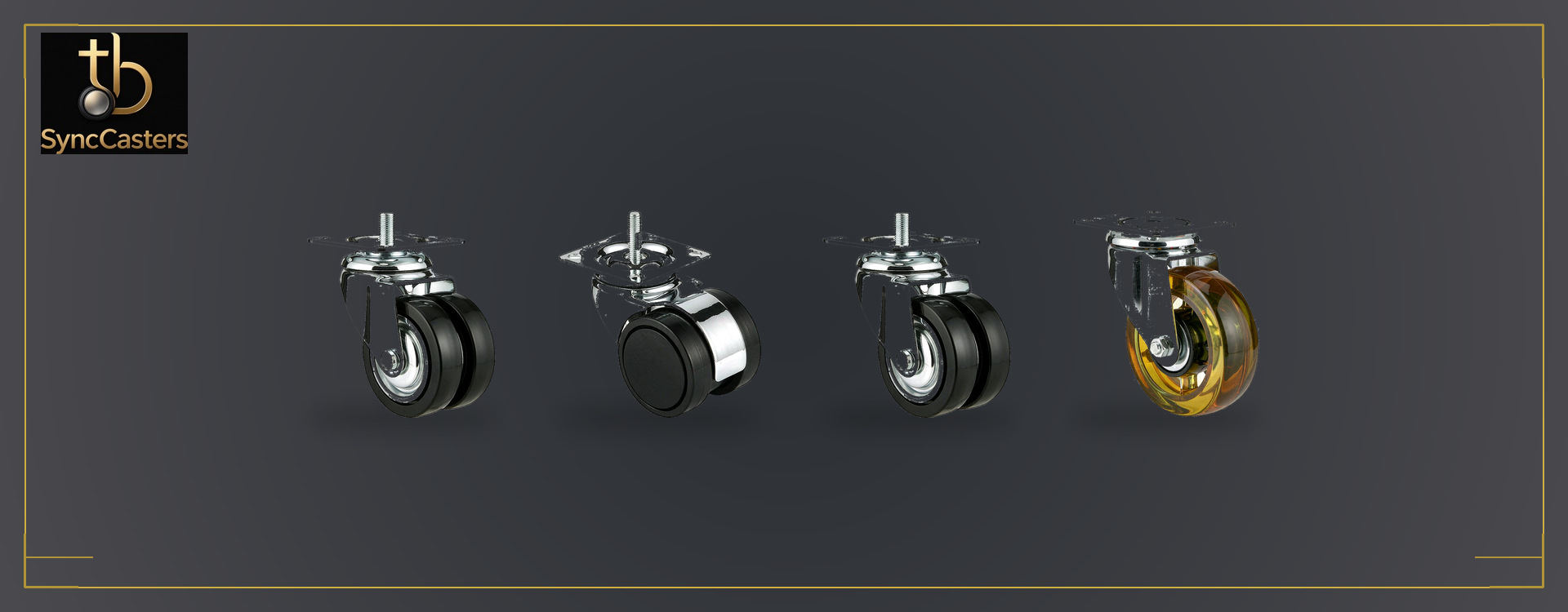
SyncCasters leveling casters embody this modular approach. Built on a steel bracket platform in 1.5 to 4 inch sizes, the wheel, brake and precision threaded leveling foot can be specified and serviced independently. Light leveling duty at 1.5 to 2 inches, medium at 2.5 to 3 inches and heavy at 4 inches share a common design language, and optional 30 mm or 60 mm spring-loaded versions add shock absorption when needed. Machine tools, display racks, workbenches and industrial equipment all benefit from a platform that can be reconfigured as requirements evolve. The same bracket can serve a mobile cart today and a stationary leveled station tomorrow.
SyncCasters Modular and OEM Support
SyncCasters designs its caster ranges around serviceable, interchangeable components, with steel brackets, replaceable wheels and long-life swivel races built for continuous duty. Our OEM and ODM program lets equipment manufacturers build a modular caster platform tailored to their products, choosing wheel diameter, tread material, brake type and leveling foot range from a shared engineering base. This reduces your spare-parts complexity and extends equipment life. Contact our team to design a modular caster or leveling solution that your maintenance team can service quickly and affordably for years. This service-first approach also supports sustainability goals, because long-lived, repairable components generate far less waste than disposable casters replaced whole.








