

Decoding the Key Columns
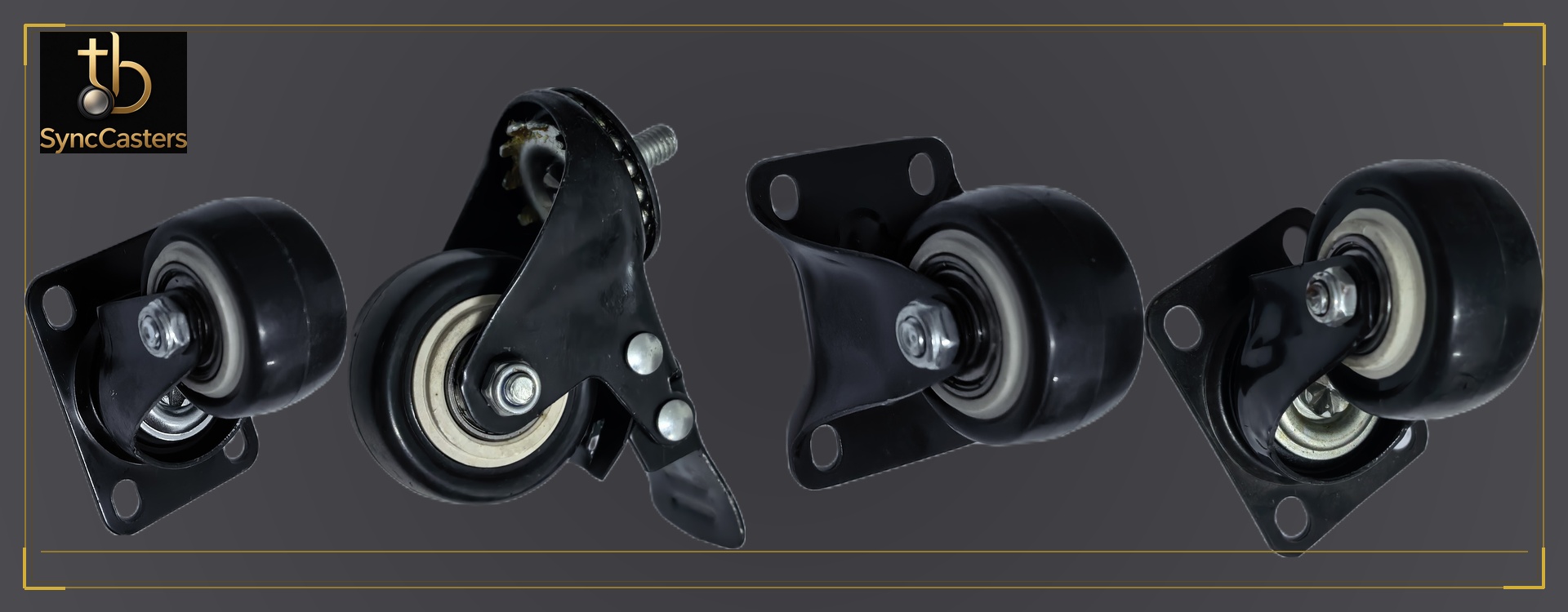
A caster specification table packs a lot of information into a few columns. Load ratings, wheel diameter, bracket type, mounting style and brake options each encode a decision. Reading the table correctly means translating those columns into a caster that actually fits the equipment and the floor. This chapter explains the core columns.
Load Capacity and Wheel Diameter
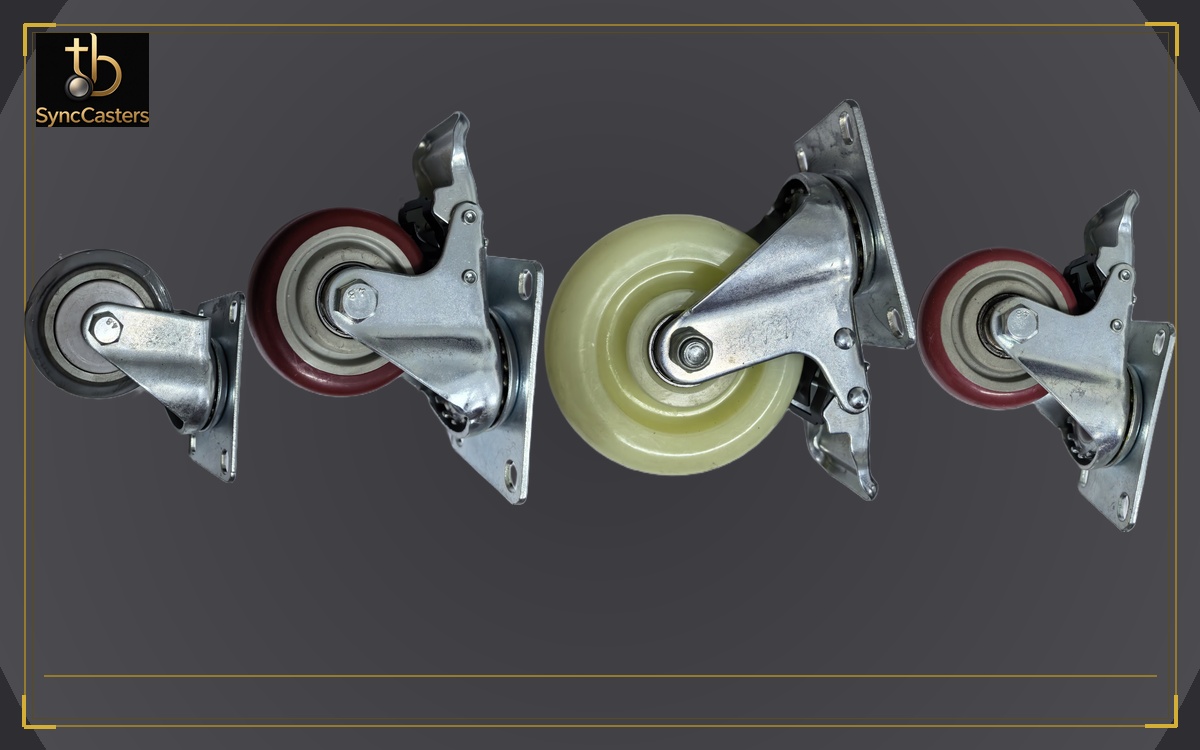
The load capacity column states the rated load per caster, and the wheel diameter column tells you the size of the wheel. These two columns are related: larger wheels generally carry more load and roll more easily over obstacles, but they also raise the equipment height. When reading the table, do not look at load capacity in isolation. First run the N-1 calculation for your total load, then compare the required per-caster rating to the table value. Remember to apply the safety factor for your environment. Wheel diameter also affects floor clearance: a 4-inch wheel rolls over a threshold that would stop a 2-inch wheel. Buyers sometimes choose the smallest wheel that meets the load rating without considering rolling ease, which leads to hard-to-push carts. The table is most useful when read as a pair: load capacity tells you whether the caster is strong enough, and diameter tells you whether it will roll smoothly in your environment.
Bracket Type: Swivel, Rigid and Kingpinless
The bracket column identifies whether the caster is swivel, rigid or a specialized heavy-duty construction. Swivel casters rotate 360 degrees for maneuverability; rigid casters track straight. Most equipment uses a combination: swivel casters on the front or leading corners and rigid on the trailing corners. For heavy duty tables, the bracket construction may be listed as kingpinless, which means the swivel uses concentric raceways instead of a single central bolt. Kingpinless brackets handle higher loads and impacts better, making them the choice for extra-heavy and towed applications. When reading the bracket column, verify that the construction matches the duty: a standard kingpin swivel on a heavy load will develop play over time. The table may also note whether the bracket includes a swivel lock or directional lock. These details determine how the cart will actually behave in use, not just how much it can carry.
Mounting Style and Overall Height
The mounting column tells you how the caster attaches to the equipment: top plate with bolt holes, threaded stem, expanding stem or another fitting. The mounting style must match the equipment frame exactly. A top plate requires a flat underside with matching hole spacing; a threaded stem requires a predrilled hole and a nut; an expanding stem suits tubular furniture. The overall height column, measured from the mounting surface to the floor, determines where the equipment will sit. This is critical when equipment must align with conveyors, fit under benches or maintain a specific working height. When reading the table, confirm both the mounting pattern and the overall height against your equipment drawing. Mismounting is one of the most common reasons casters returned under warranty, and it is entirely avoidable by checking these two columns before ordering.
Translating the Table into a Selection
Once the core columns make sense, the remaining table entries refine the choice: brakes, wheel material and floor compatibility. This chapter shows how to move from reading the table to selecting the right part.
Brake Options and What They Control
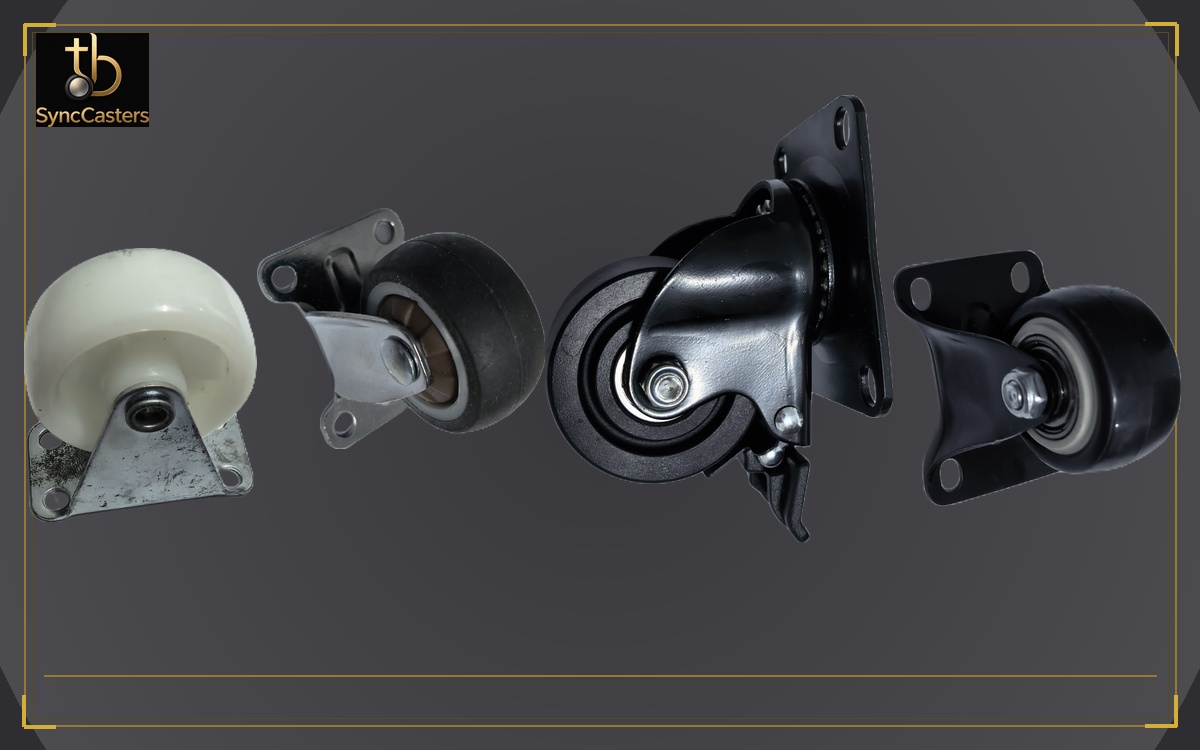
The brake column indicates what the brake actually does. A side-lock brake stops the wheel from rotating but leaves the swivel free, so the cart can still slide sideways. A total-lock brake stops both wheel rotation and swivel, holding the cart firmly in place. A directional lock keeps swivel casters tracking straight, useful for long-aisle carts. When reading the brake column, match the brake type to how the equipment is used. A workbench that operators lean on needs a total-lock brake; a cart that only needs to stay on a slight incline may be fine with a side-lock. Heavy duty tables may list heavy-duty brake pedals designed for foot operation under high loads. Buyers sometimes order brakes on every caster when only the leading swivel corners need them, or omit brakes on equipment that must stay stationary. The table makes these choices visible once you understand what each brake type controls.
Wheel Material and Floor Compatibility
The wheel material column is where load rating meets floor reality. Polyurethane protects finished floors and rolls quietly; nylon carries heavy loads but marks soft surfaces; TPR is quiet and cushioned; polypropylene resists chemicals and water; cast iron survives heat and metal chips. When reading the table, cross-reference the wheel material against your floor type. A hard nylon wheel on epoxy or tile will scuff the surface; a soft PU wheel on rough outdoor concrete will wear quickly. The table may also note rolling resistance, noise level and temperature range for each material. Buyers should read this column together with the environment column rather than choosing a material purely on load capacity. A caster that carries the right load but damages the floor or wears out in months is a poor selection, and the table provides enough information to avoid that mistake if read carefully.
Matching the Table to Your Application
Putting the columns together, a correct table read follows a sequence: calculate the N-1 load, identify the duty series, check wheel material against the floor, choose swivel and rigid positions, select the brake type for each corner, and confirm mounting and overall height against the equipment drawing. Where the table leaves gaps, ask the supplier for clarification. For example, if the floor is unusually rough, the duty cycle continuous, or the environment chemical-rich, the standard table values may need adjustment. A specification table is a starting point, not a substitute for engineering judgment. Buyers who read the table this way make fewer returns, specify safer equipment and reduce maintenance. When in doubt, send the equipment drawing, floor type and duty description to the supplier and ask them to confirm the table row. That conversation is the fastest way to turn a catalog entry into a working caster specification.








