
OEM and Private-Label Caster Programs
Equipment manufacturers often need casters that match their own product design, branding and market requirements rather than a generic catalog item. OEM and ODM programs allow buyers to source casters built to their specification, with their branding, while relying on the manufacturer's production and quality infrastructure. This chapter explains what these programs cover.
What Customization Actually Covers
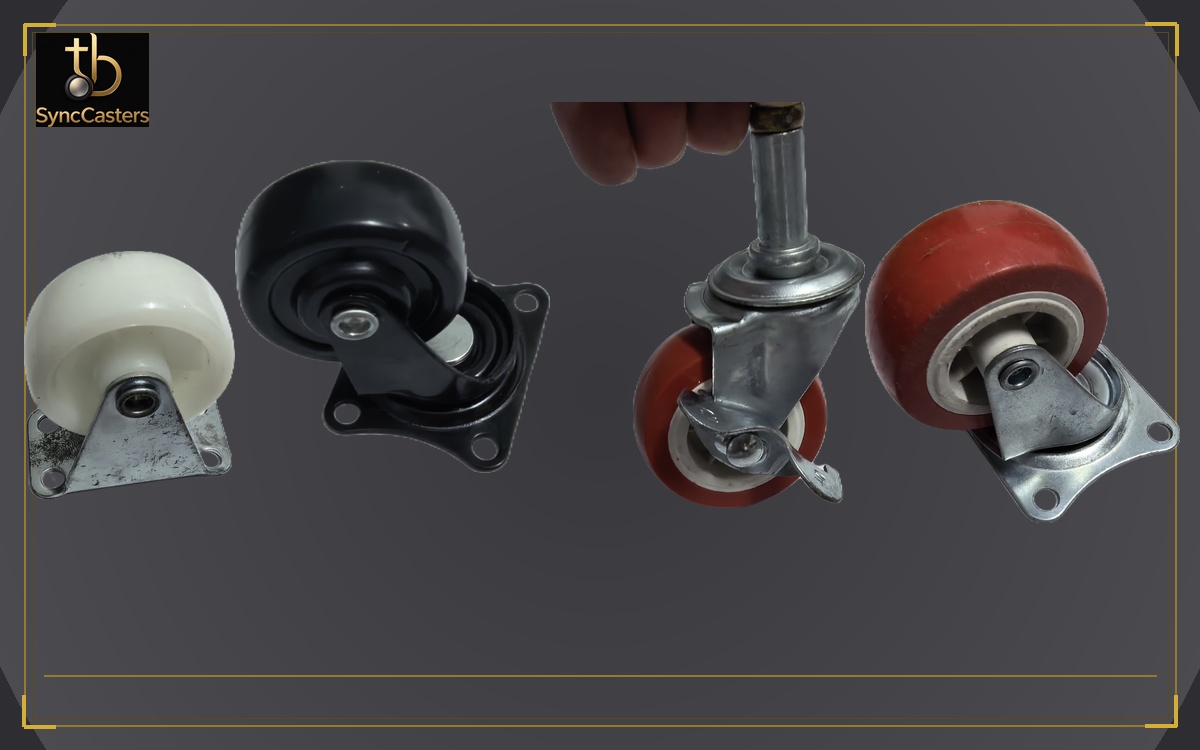
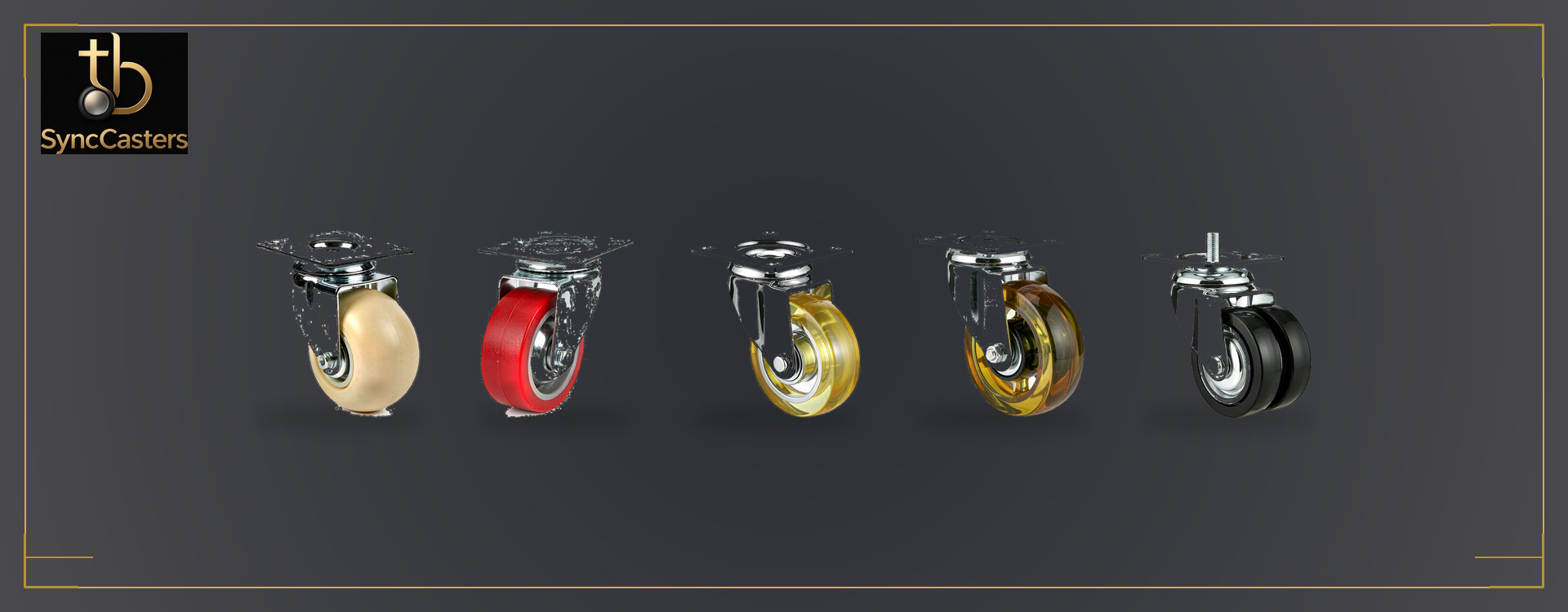
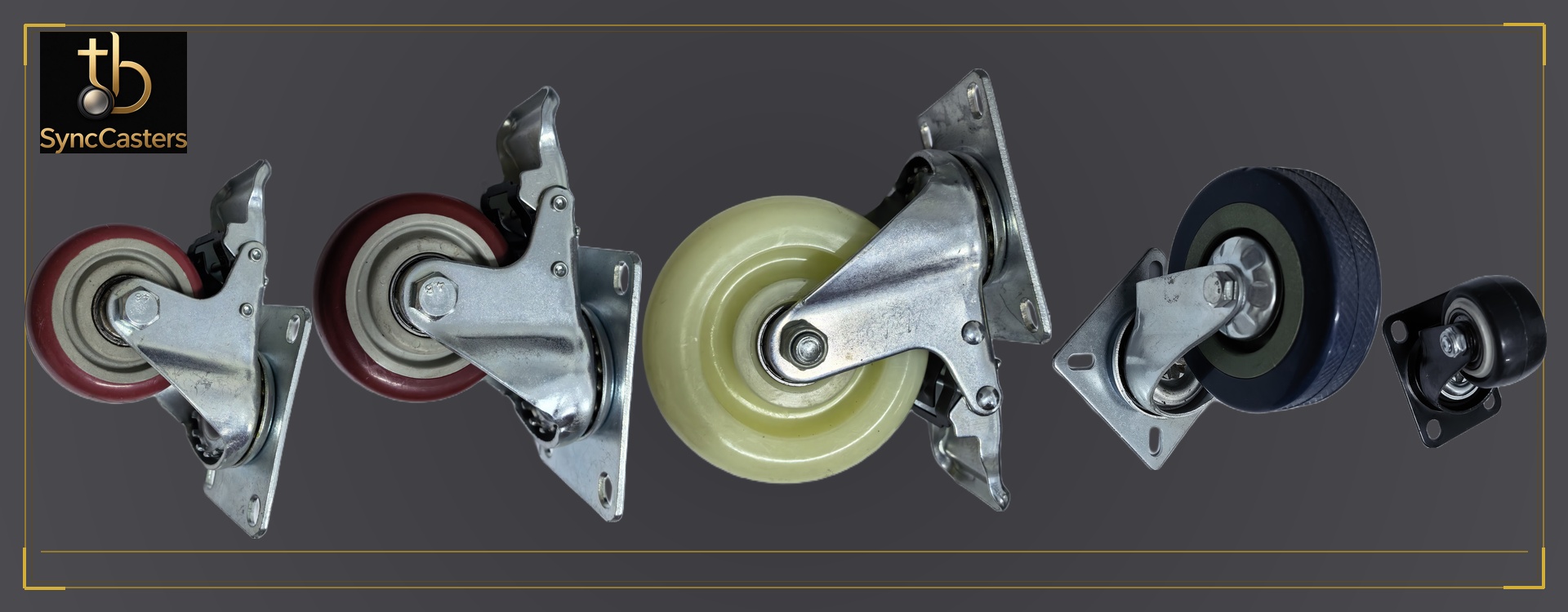
Caster customization is broader than many buyers assume. It can include wheel material and durometer tuned to a specific floor, bracket dimensions and mounting patterns to fit an equipment frame, brake configurations selected for a particular use, surface finishes and colors, and packaging tailored to the buyer's warehouse flow. For OEM projects, the supplier may also modify an existing bracket design or develop a new one where no standard model fits. Customization does not always mean a completely new product: often the most efficient path is to start from a standard series and modify the wheel, brake and mounting. Buyers benefit from understanding that customization is modular. Rather than asking for a fully bespoke caster at high cost, identify which parameters actually need to change and keep the rest on standard parts. This reduces development time and keeps pricing competitive while still delivering a caster that fits the equipment.
Private Label Branding Options
Private label allows an equipment manufacturer to sell casters under their own brand identity. This can include branded packaging, labels, instruction sheets and even marking on the caster itself where feasible. For OEM buyers who integrate casters into their finished equipment, private label means the end customer sees the equipment brand, not the caster manufacturer. This supports the buyer's own brand value and simplifies aftermarket replacement, because the replacement parts are identified by the buyer's product naming. Private label programs typically require a volume commitment and consistency in specification, but they are well established in the caster industry. Buyers should discuss branding details early: which components carry the brand mark, what documentation accompanies the product, and how replacement casters are identified in the field. A clean private-label program makes the caster part of the buyer's product rather than a visible outsourced component.
Custom Specification Sheets
For OEM programs, custom specification sheets replace the general catalog. These sheets show only the configurations the buyer has selected, with loads, dimensions, materials and brake options specific to the buyer's part number. They can also include the buyer's branding, internal product codes and compliance documentation relevant to the buyer's market. Custom specification sheets are useful for the buyer's engineering, procurement and quality teams, because they reduce ambiguity about what is being ordered and what has been approved. They also support quality audits, because each custom part has a defined reference document. When starting an OEM program, ask the supplier to prepare a specification sheet for each approved configuration. These sheets become the controlling reference for production and inspection, ensuring that repeat orders match the original approved sample. This is how custom caster programs move from one-off samples to consistent, repeatable supply.
Working with SyncCasters on a Custom Program
Starting an OEM or private-label program is a structured process. This chapter covers what to expect in terms of development, quality consistency and ongoing support.
Development Process and Order Requirements
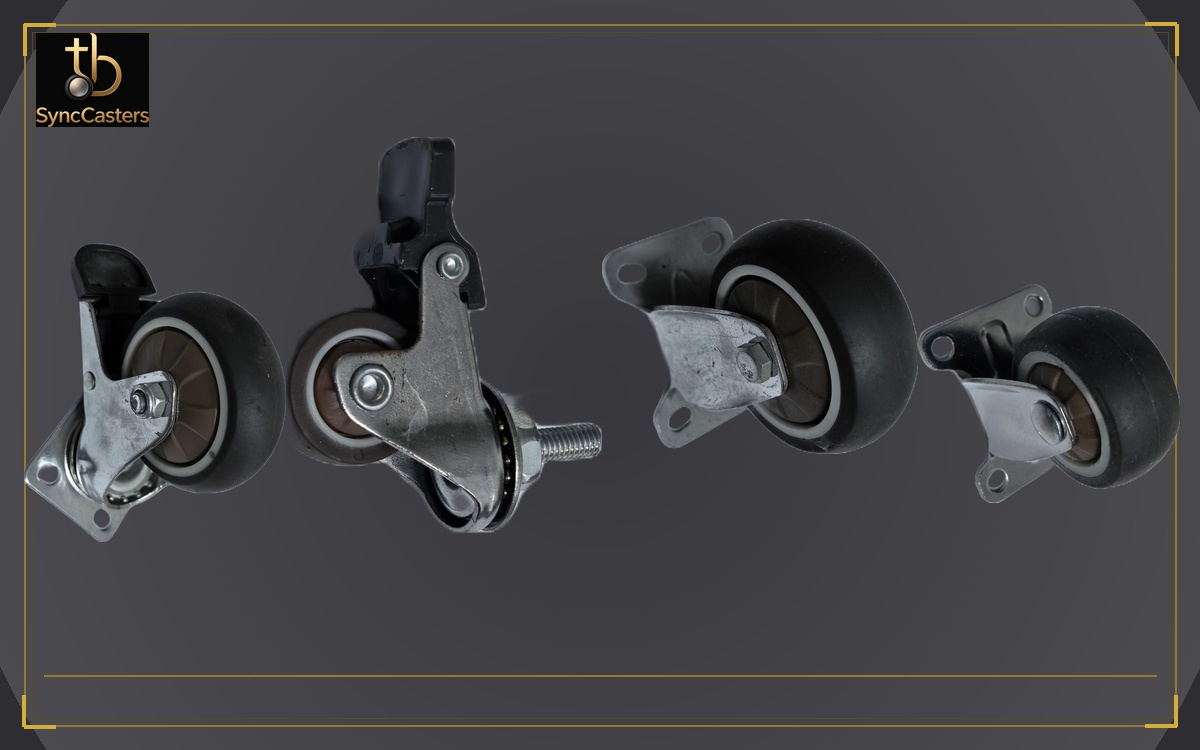
A typical custom program starts with the buyer sharing equipment requirements: load, floor, environment, mounting and branding needs. The supplier then proposes a configuration, often based on an existing series, and may provide a sample for evaluation. Once the sample is approved, the specification sheet is locked, packaging and labeling are agreed, and production can begin. Custom programs usually involve a minimum order quantity, especially for branded packaging or modified tooling, but standard modifications such as wheel or brake changes may have lower thresholds. Buyers should plan the development timeline in advance, because sampling, approval and any tooling changes take time. For buyers who need a replacement caster quickly, a standard catalog model is faster; for buyers developing a new product line, the custom path delivers a better long-term result. Discussing both the target price and the timeline at the start helps the supplier propose the most practical approach.
Quality Consistency Across Custom Production
One concern with custom programs is whether production stays consistent across repeat orders. A manufacturer working under a documented quality system addresses this through locked specification sheets, approved component sources and routine inspection checkpoints. For private-label buyers, this means the caster received on order ten matches the approved sample on order one. When evaluating a custom supplier, ask how they control repeat-order consistency: whether components are sourced from fixed approved suppliers, whether inspection records are retained, and how material substitutions are handled. A mature supplier will notify the buyer before changing a material source, even if the change is nominally equivalent. This protects the buyer's own product liability and audit position. Quality consistency is the reason OEM buyers choose established manufacturers for custom programs rather than shopping each order on price.
Documentation and Support for Your Brand
An OEM program includes documentation that supports the buyer's brand and compliance needs. This can include custom specification sheets, material compliance declarations tailored to the buyer's market, packaging inserts and replacement-part identification. For buyers selling into regulated sectors, the supplier can provide the documentation needed to pass the buyer's own customer audits. Ongoing support includes answering technical questions about the custom configuration, handling replacement orders, and adjusting the specification as the buyer's product evolves. A good OEM partner does not disappear after the first order; they support the part through its production life. Buyers should treat the caster manufacturer as an extension of their own engineering and quality team, sharing changes in equipment design, environment or volume as they happen. This partnership approach is how custom caster programs deliver value over years rather than just on the first order.








