
The Caster Market Is Growing with Automation
Cast wheels are usually the last component anyone thinks about in a material handling system, but 2026 is the year the industry changed that. As automation spreads through manufacturing, warehousing and distribution, the mobility components underneath automated vehicles have moved from commodity parts to engineered systems. Understanding the trends shaping the caster market helps buyers plan specifications that will still be correct in five years.
AGVs and AMRs Drive New Demand
Automated guided vehicles (AGVs) and autonomous mobile robots (AMRs) are the fastest-growing application for industrial casters. The worldwide AGV caster wheels market has advanced from generic wheel designs toward AGV-specific solutions, reflecting what automated platforms actually require: consistent height, low rolling resistance, precise tracking and continuous-duty capacity. Industry events such as MODEX 2026 dedicated sessions to the relationship between casters and automated vehicle performance, and trade fairs like the 2026 Shenzhen International Industrial Expo showcased caster solutions purpose-built for AGVs. For buyers, this means AGV platforms increasingly need specified casters rather than off-the-shelf wheels.
Smart and Motorized Casters
Motorized and driver casters are moving from novelty to mainstream, embedding motors directly into the wheel hub to give platforms self-propulsion. Integration with IoT platforms allows real-time monitoring of caster performance, load distribution and predictive maintenance alerts. Energy efficiency is a parallel trend: demand is growing for low-power, high-torque motors with extended battery life. While motorized casters remain a specialty segment, their growth signals a broader shift toward smart mobility components in logistics and manufacturing.
Material Innovation and Sustainability
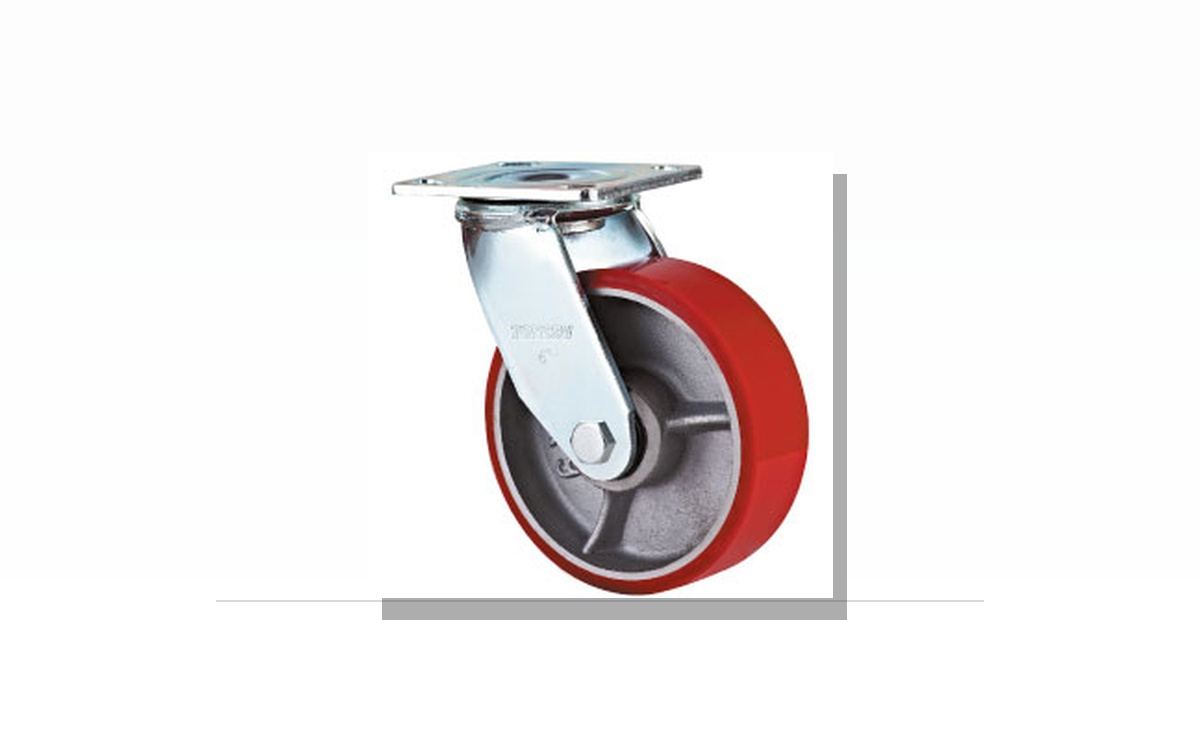
Material trends favor polyurethane, which now represents roughly 35 to 40 percent of industrial and institutional caster usage, prized for its combination of load capacity, floor protection and quiet operation. Sustainability is reshaping specifications too: demand for recyclable materials such as polyurethane and stainless steel is rising, particularly among EU and North American buyers. Replaceable and repairable wheel designs extend service life and reduce waste, and buyers increasingly ask about the environmental profile of wheels and brackets alongside price and performance.
What This Means for Buyers
The market outlook reinforces these shifts. Grand View Research projects the industrial caster market to grow at a compound annual growth rate of about 6.8 percent from 2023 to 2030, with heavy-duty models leading demand in manufacturing, e-commerce fulfillment and logistics. In North America and Europe, the one-ton capacity segment represents over 32 percent of total industrial caster volume, driven by expanding fulfillment centers and stricter safety regulations.
Planning for Higher Load Ratings
As automation increases duty cycles, equipment that once ran a few hours a day now runs continuously. That changes caster specification: bearings, wheels and brackets must be rated for continuous operation, not occasional movement. When planning new equipment or replacing fleets, specify higher safety factors and verify that the caster manufacturer tests for continuous duty. The cost difference between a marginally rated and a properly rated caster is small compared with the cost of downtime.
Investing in the Right Technology
For most buyers, the practical takeaway is straightforward: choose suppliers who understand automated platforms, offer material options aligned with sustainability requirements, and can document performance under real duty cycles. Whether you are outfitting an AGV, upgrading a warehouse fleet or standardizing components across production lines, specification decisions made now will define performance for the life of the equipment.
SyncCasters and the Future of Mobility
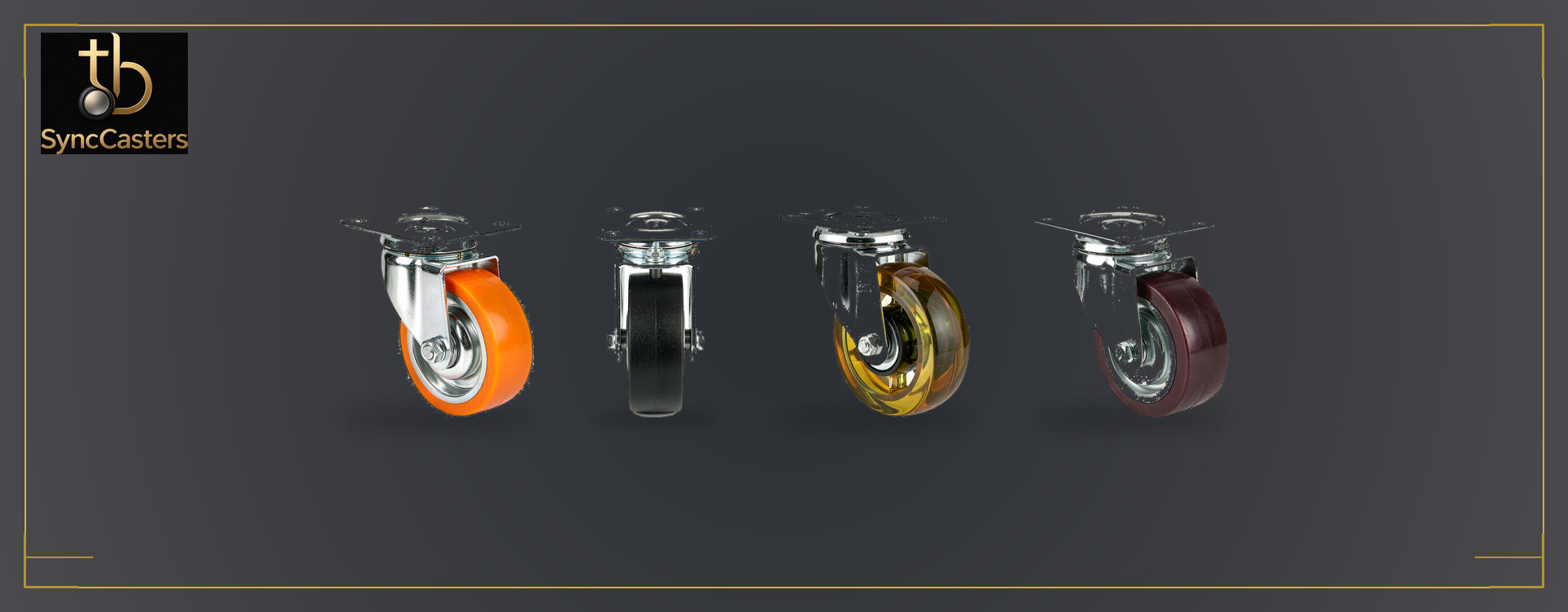
SyncCasters manufactures caster ranges built for the trends shaping 2026: heavy and extra-heavy series for automated platforms and continuous duty, PU and TPR wheels for the material and sustainability requirements buyers increasingly specify, and OEM and ODM support for platforms that need custom engineering. Our team stays current with automation and material trends so your caster specification keeps your equipment ready for what comes next. Contact us to discuss your application and build a mobility solution built for the automated, sustainable future of industry.








