
Why Caster Maintenance Matters
Casters are often treated as fit-and-forget parts, but a little scheduled maintenance dramatically extends their life and keeps equipment safe to push. The most common caster failures seized bearings, noisy swivels, hard-to-roll wheels and worn treads are almost all predictable and preventable. A simple maintenance routine cleaning, lubricating and inspecting every few months is far cheaper than replacing a whole fleet of prematurely worn casters. This guide covers what to check, what to lubricate and how often, so your casters keep rolling instead of seizing up on the shop floor.
Clean Before You Lubricate
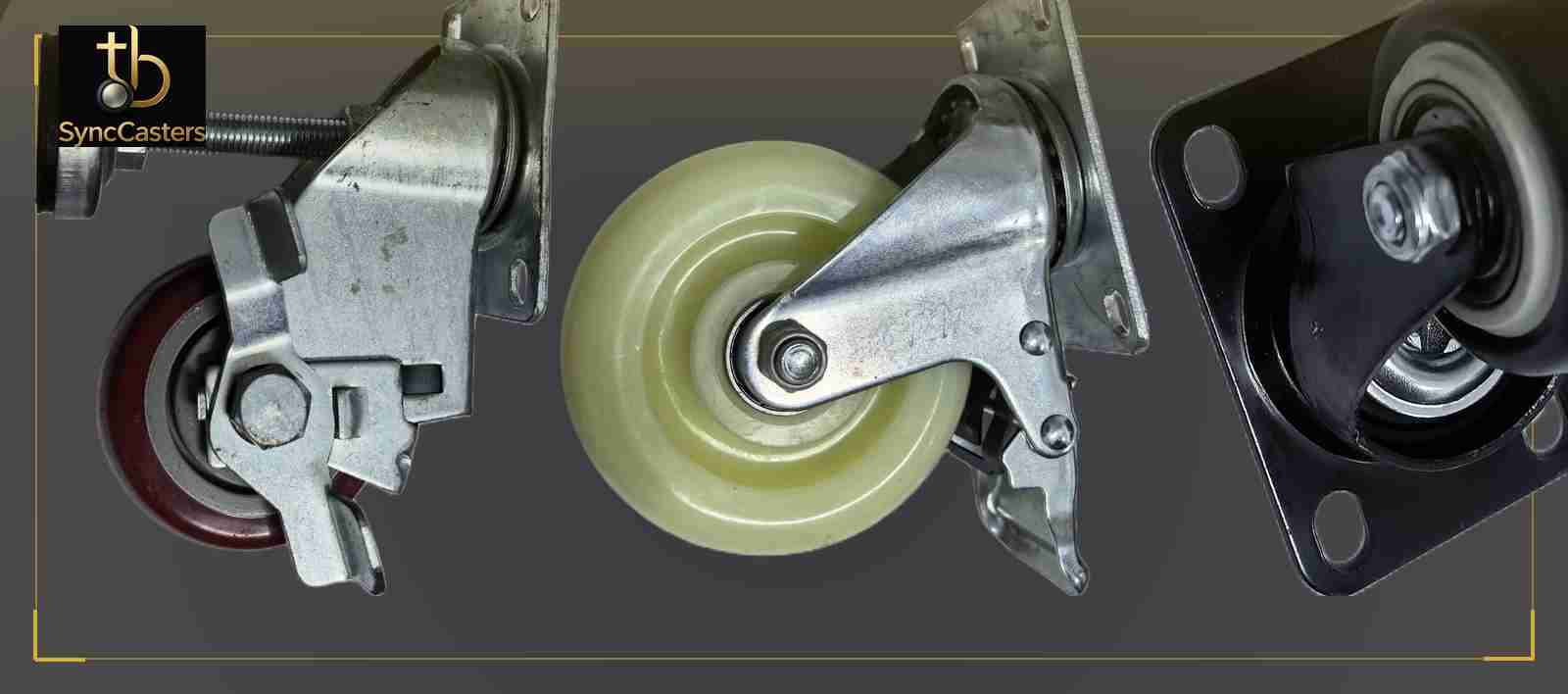
The first maintenance step is cleaning, not greasing. Dirt, metal chips, hair, string and debris wound around axles and packed into swivel joints cause more caster problems than wear itself. Before applying any lubricant, clear debris from around the wheel axle and swivel bearing, using a brush or a blunt tool to cut away anything wound around the axle. Wipe the bracket and wheel tread clean. Lubricating a dirty caster just traps grit inside the bearing, accelerating wear rather than preventing it. In workshops with chips and dust, a quick clean every inspection cycle pays for itself many times over.
Use the Right Lubricant

Not all lubricants are equal on casters. A good-quality multi-purpose lithium grease with extreme-pressure and anti-wear characteristics is the standard choice for wheel and swivel bearings, because grease stays in place better than oil. Silicone-based sprays work for lighter-duty casters. Avoid relying on general-purpose penetrating spray as a long-term lubricant: it is excellent for freeing seized parts but evaporates and leaves the bearing unprotected. In high-temperature kitchen or foundry areas, choose a grease rated for the actual temperature range the caster sees, because the wrong grease liquefies and drains away.
Follow a Simple Lubrication Schedule
Under normal indoor conditions, lubricate wheel and swivel bearings roughly every six months, or every 200 operating hours on equipment that runs continuously. In harsh environments with water, chemicals or debris, shorten the interval. Apply a small amount of grease to the wheel hub, swivel raceway and any friction points. Over-greasing can push seals out and let contamination in, so a modest amount on a clean bearing is the goal. Document the schedule on a maintenance board so it actually happens rather than being remembered vaguely, and keep a log of which casters have been serviced.
Table Name or Table Title
| Size | Resolution | LCD Type | Brightness (nits) | Interface | Viewing Angle (T/B/L/R) | Operation Temp. (°C) | Outline Dimension (mm) | Active Area (mm) |
| 1.28 inch | 240*240 | IPS | 350 | SPI | 85/85/85/85 | -20~70 | 35.6*37.74*1.55 | 32.40*32.40 |
| 1.28 inch | 240*240 | IPS | 350 | SPI | 85/85/85/85 | -20~70 | 35.6*37.74*1.55 | 32.40*32.40 |
| 1.3 inch | 240*240 | IPS | 1000 | SPI | 80/80/80/80 | -20~70 | 26.16*29.13*2.30 | 23.40*23.40 |
| 1.5 inch | 128*128 | IPS | 90 | SPI | 80/80/80/80 | -30~70 | 33.80*34*1.60 | 26.86*26.86 |
| 1.54 inch | 320*320 | IPS | 588 | SPI+RGB | 80/80/80/80 | -20~70 | 31.52*33.95*1.75 | 27.74*27.74 |
| 1.6 inch | 400*400 | IPS | 350 | QSPI | 85/85/85/85 | -20~70 | 45.87*42.94*2.11 | 39.84*39.84 |
| 1.6 inch | 400*400 | IPS | 200 | SPI | 80/80/80/80 | -20~70 | 42.94*45.89*2.00 | 29.84*39.84 |
| 2.1 inch | 480*480 | IPS | 300 | MIPI | 80/80/80/80 | -20~70 | 56.18*59.71*2.30 | 53.28*53.28 |
| 2.1 inch | 480*480 | IPS | 300 | SPI+RGB | 85/85/85/85 | -20~70 | 56.18*59.71*2.30 | 53.28*53.28 |
| 2.1 inch | 480*480 | IPS | 1000 | SPI+RGB | 85/85/85/85 | -20~70 | 56.18*59.71*2.30 | 53.28*53.28 |
| 2.8 inch | 480*480 | IPS | 350 | SPI+RGB | 85/85/85/85 | -20~70 | 73.03*76.48*2.30 | 70.13*70.13 |
| 2.8 inch | 480*480 | IPS | 350 | MIPI | 85/85/85/85 | -20~70 | 73.03*76.48*2.30 | 70.13*70.13 |
| 3.4 inch | 480*480 | IPS | 550 | MIPI | 80/80/80/80 | -20~70 | 65.72*69.48*2.45 | 60.48*60.48 |
| 3.4 inch | 800*800 | IPS | 350 | MIPI | 85/85/85/85 | -20~70 | 94.90*96.95*2.50 | 87.60*87.60 |
| 3.4 inch | 800*800 | IPS | 1000 | MIPI | 85/85/85/85 | -20~70 | 96.60*99.79*3.80 | 87.60*87.60 |
| 3.4 inch | 800*800 | IPS | 1000 | MIPI | 85/85/85/85 | -20~70 | 96.60*99.05*2.71 | 87.60*87.60 |
| 4.0 inch | 720*720 | IPS | 350 | MIPI | 80/80/80/80 | -20~70 | 84*84*3.46 | 71.93*71.93 |
| 4.0 inch | 720*720 | IPS | 320 | MIPI | 85/85/85/85 | -20~70 | 105.60*109.87*2.21 | 101.52*101.52 |
| 4.0 inch | 720*720 | IPS | 1000 | MIPI | 85/85/85/85 | -20~70 | 107.60*111.87*3.80 | 101.52*101.52 |
| 5.0 inch | 1080*1080 | IPS | 350 | MIPI | 80/80/80/80 | -20~70 | 132.21*136.53*1.98 | 127.01*127.01 |
| 7.6 inch | 800*800 | IPS | 1000 | MIPI | 85/85/85/85 | -20~70 |
Inspection and Troubleshooting Basics
A maintenance routine is only useful if you know what to look for and when to stop servicing and start replacing. The following points cover inspection, early warning signs and the line between repair and replacement.
Listen and Feel for Early Warning Signs


Image caption

Most caster problems announce themselves before they fail. A squealing or grinding noise during rolling usually means the bearing is losing lubrication or beginning to wear. Increased push resistance, especially if it is noticeably higher than when the caster was new, points to a seized or failing bearing. Visible play when you wiggle the wheel by hand indicates worn swivel or axle joints. Catching these early means a cleaning and regrease often restores the caster, instead of a full replacement. Train operators to report noises and hard pushing immediately, because small symptoms are cheap to fix.
Inspect Treads and Brackets

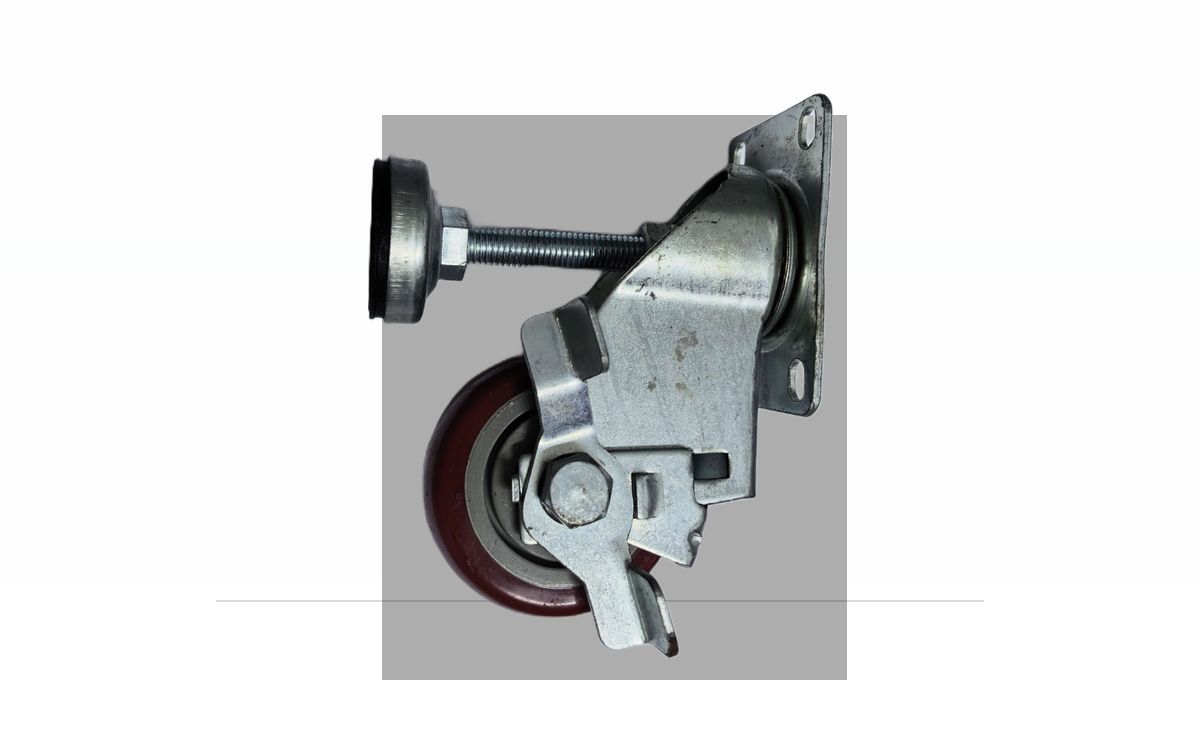
Look at the wheel tread and bracket on each inspection. Worn, flat-spotted or cracked tread means the wheel is at end of life and should be replaced. Bent brackets, cracked welds or loose mounting bolts mean the caster has taken an impact and must be serviced before it fails. On leveling casters, check that the threaded height foot turns smoothly and holds its setting, because a seized foot defeats the purpose of the caster. Catching bracket damage early prevents a caster from collapsing under load, which is the most serious failure mode in material handling.
Know When to Replace Instead of Repair
Not every caster is worth saving. If a bearing is rusted solid, the wheel is deeply cracked, or the bracket is bent beyond straightening, replace the caster rather than spending time on a repair that will not last. The advantage of replaceable-wheel designs is that you can swap just the wheel, but if the swivel or bracket is damaged, the whole unit should go. Keeping a small stock of standard replacement casters avoids downtime when a unit finally gives out, especially for fast-moving equipment that cannot sit idle.
Durable Casters From SyncCasters
SyncCasters builds casters that respond well to maintenance: sealed bearings that keep contamination out, smooth brackets without debris traps, and replaceable wheel designs across our light, medium, heavy and extra-heavy ranges. Our leveling casters for machine tools, display racks, workbenches and industrial equipment feature threaded feet that stay adjustable over years of use. Pair our durable construction with a simple cleaning and greasing routine, and your casters will deliver years of reliable, quiet service. Contact us for maintenance-friendly caster recommendations.
More table of product spec
| Size | Resolution | LCD Type | Brightness (nits) | Interface | Viewing Angle (T/B/L/R) | Operation Temp. (°C) | Outline Dimension (mm) | Active Area (mm) |
| 1.28 inch | 240*240 | IPS | 350 | SPI | 85/85/85/85 | -20~70 | 35.6*37.74*1.55 | 32.40*32.40 |
| 1.28 inch | 240*240 | IPS | 350 | SPI | 85/85/85/85 | -20~70 | 35.6*37.74*1.55 | 32.40*32.40 |
| 1.3 inch | 240*240 | IPS | 1000 | SPI | 80/80/80/80 | -20~70 | 26.16*29.13*2.30 | 23.40*23.40 |
| 1.5 inch | 128*128 | IPS | 90 | SPI | 80/80/80/80 | -30~70 | 33.80*34*1.60 | 26.86*26.86 |
| 1.54 inch | 320*320 | IPS | 588 | SPI+RGB | 80/80/80/80 | -20~70 | 31.52*33.95*1.75 | 27.74*27.74 |
| 1.6 inch | 400*400 | IPS | 350 | QSPI | 85/85/85/85 | -20~70 | 45.87*42.94*2.11 | 39.84*39.84 |
| 1.6 inch | 400*400 | IPS | 200 | SPI | 80/80/80/80 | -20~70 | 42.94*45.89*2.00 | 29.84*39.84 |
| 2.1 inch | 480*480 | IPS | 300 | MIPI | 80/80/80/80 | -20~70 | 56.18*59.71*2.30 | 53.28*53.28 |
| 2.1 inch | 480*480 | IPS | 300 | SPI+RGB | 85/85/85/85 | -20~70 | 56.18*59.71*2.30 | 53.28*53.28 |
| 2.1 inch | 480*480 | IPS | 1000 | SPI+RGB | 85/85/85/85 | -20~70 | 56.18*59.71*2.30 | 53.28*53.28 |
| 2.8 inch | 480*480 | IPS | 350 | SPI+RGB | 85/85/85/85 | -20~70 | 73.03*76.48*2.30 | 70.13*70.13 |
| 2.8 inch | 480*480 | IPS | 350 | MIPI | 85/85/85/85 | -20~70 | 73.03*76.48*2.30 | 70.13*70.13 |
| 3.4 inch | 480*480 | IPS | 550 | MIPI | 80/80/80/80 | -20~70 | 65.72*69.48*2.45 | 60.48*60.48 |
| 3.4 inch | 800*800 | IPS | 350 | MIPI | 85/85/85/85 | -20~70 | 94.90*96.95*2.50 | 87.60*87.60 |
| 3.4 inch | 800*800 | IPS | 1000 | MIPI | 85/85/85/85 | -20~70 | 96.60*99.79*3.80 | 87.60*87.60 |
| 3.4 inch | 800*800 | IPS | 1000 | MIPI | 85/85/85/85 | -20~70 | 96.60*99.05*2.71 | 87.60*87.60 |
| 4.0 inch | 720*720 | IPS | 350 | MIPI | 80/80/80/80 | -20~70 | 84*84*3.46 | 71.93*71.93 |
| 4.0 inch | 720*720 | IPS | 320 | MIPI | 85/85/85/85 | -20~70 | 105.60*109.87*2.21 | 101.52*101.52 |
| 4.0 inch | 720*720 | IPS | 1000 | MIPI | 85/85/85/85 | -20~70 | 107.60*111.87*3.80 | 101.52*101.52 |
| 5.0 inch | 1080*1080 | IPS | 350 | MIPI | 80/80/80/80 | -20~70 | 132.21*136.53*1.98 | 127.01*127.01 |
| 7.6 inch | 800*800 | IPS | 1000 | MIPI | 85/85/85/85 | -20~70 |








