
Why Noise Is an Engineering Target
A squeaking, rattling caster is more than an annoyance; in modern open-plan offices, hospitals and automated facilities, noise directly affects comfort, communication and concentration. Caster noise reduction has therefore become a formal R&D target, measured in decibels and addressed through tread material, swivel design, bearing sealing and isolation. The quietest casters do not just sound better; they also protect floors and reduce vibration. As workspaces become more open and automated, controlling caster noise has become a specification rather than a preference. Over a full shift, that accumulated fatigue directly affects staff comfort and concentration.
Tread Material as the First Noise Control
The wheel tread is the largest noise source because it strikes floor seams and joints. Soft, resilient compounds such as TPR and cushioned PU absorb these impacts instead of transmitting them, dramatically lowering rolling noise compared with hard nylon or cast iron. Published testing shows that larger wheels cross seams at lower impact frequency, and going from a 3-inch to a 6-inch wheel on the same cart can reduce seam-crossing noise by several decibels. Choosing the right tread and diameter is the single most effective noise-reduction step, and it costs far less than retrofitting a noisy floor or isolating a whole cart.
Swivel Isolation and Frame Decoupling
Noise does not only come from the wheel; the swivel race and the cart frame amplify it. Isolating the caster plate with rubber or polyurethane grommets decouples the wheel's vibration from the frame, and a well-sealed swivel race prevents the rattling of loose ball bearings. Hard plastic decks transmit noise more than wood or composite decks, so R&D engineers treat the whole rolling system, not just the tire, when designing a quiet caster. This systems-level approach is what turns a moderately quiet wheel into a genuinely quiet cart that does not echo through a workspace.
Sealed Bearings and Spring-Shock Absorption
Sealed precision bearings keep dust and debris out and run smoothly and quietly for years, unlike open bearings that grind and squeal as they wear. For equipment on uneven floors, optional spring-loaded casters absorb shocks before they become noise, cushioning both the ride and the impact. SyncCasters' 30 mm and 60 mm spring-shock leveling versions use this principle to keep machines still and stable while eliminating vibration that would otherwise transmit through the frame. Combining sealed bearings with spring isolation is the most effective way to keep both rolling and stationary equipment quiet.
Designing Quiet Mobility Without Sacrificing Load
Matching Quiet Treads to Load Requirements
There is a trade-off: the softest rubber is quietest but carries less weight. Modern R&D resolves this with PU-on-core wheels that combine a quiet, resilient tread with a load-bearing steel or polyolefin hub, delivering both low noise and medium-to-heavy capacity. This is why PU has become the default quiet, floor-protective choice for industry. Buyers no longer have to choose between silence and strength; they specify a compound engineered for both. The result is a caster that protects both hearing and floor finish while still carrying real industrial loads. This measured approach to sound is what turns quietness from a subjective preference into a verifiable specification.
Quietness in Shared and Automated Spaces
In facilities where staff work alongside automated vehicles, or where equipment moves through quiet zones, measured noise performance is a specification requirement. Quiet TPR and PU wheels protect finished floors and reduce the background noise of trolleys moving through aisles. Conductive quiet compounds serve electronics zones where both ESD control and low noise are needed. Referencing published noise-and-vibration caster guides helps buyers set realistic decibel targets rather than relying on feel. A measured noise target makes quietness a deliverable, not a hope. Measured in real decibels, this difference is immediately noticeable to staff working nearby, and it accumulates into a measurably more comfortable environment over a full shift.
Leveling Casters That Move Quietly and Stand Still
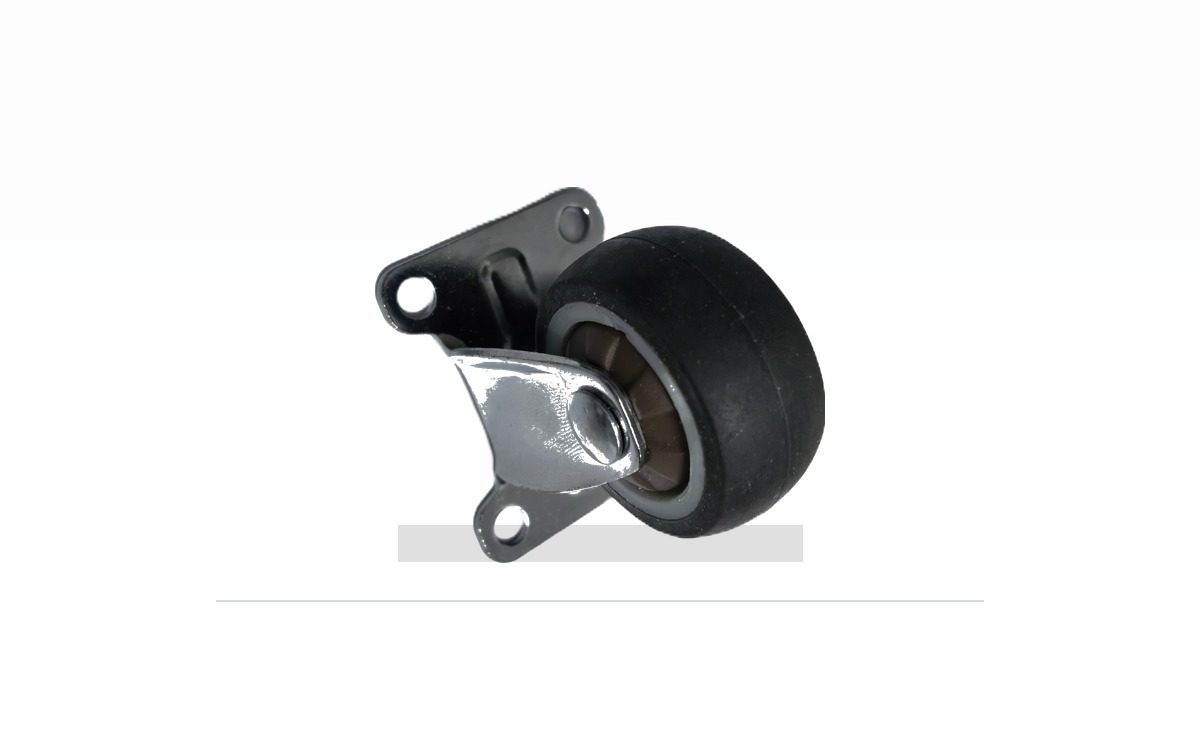
SyncCasters leveling casters bring quiet mobility to stationary equipment. With TPR or PU tread options on steel brackets in 1.5 to 2 inch light, 2.5 to 3 inch medium and 4 inch heavy sizes, they roll silently into position under machine tools, display racks and workbenches, then the precision foot engages to lock the unit level and vibration-free. The optional 30 mm and 60 mm spring-shock versions further damp any residual movement, making them ideal for laboratories, exhibition floors and open workspaces where noise and stability both matter. This is how quiet design reaches equipment that must also stay perfectly still.
SyncCasters Quiet, Engineered Mobility
SyncCasters designs TPR silent series, PU low-noise wheels and spring-shock leveling casters around real noise and floor-protection targets, with sealed bearings and isolated swivels built for smooth, quiet, long-life rolling. Our OEM and ODM program lets integrators tune tread durometer, wheel diameter and isolation to the noise profile of a specific environment. Whether you need quiet casters for a hospital, an office or an automated production line, contact us to specify mobility that moves gently and stands firmly. The result is a workspace that is calmer and more productive, where equipment moves without disturbing the people working alongside it.








