

What RoHS and REACH Mean for Caster Materials
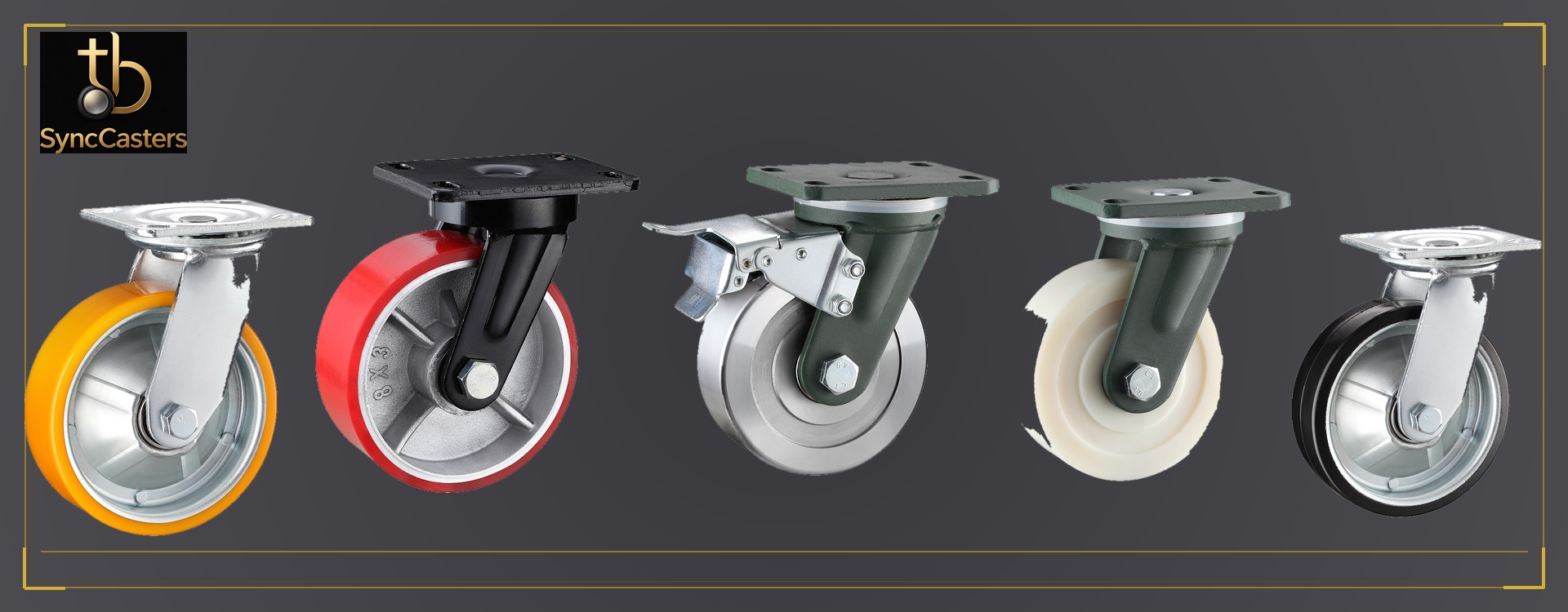
Casters are assembled from wheels, brackets, bearings, fasteners and brake components, each of which may contain substances regulated under European environmental legislation. For buyers selling into the EU or supplying EU-facing customers, RoHS and REACH compliance is not optional. This chapter explains what these regulations cover in the context of caster components and why they matter in practice.
RoHS Restrictions in Wheels and Brackets
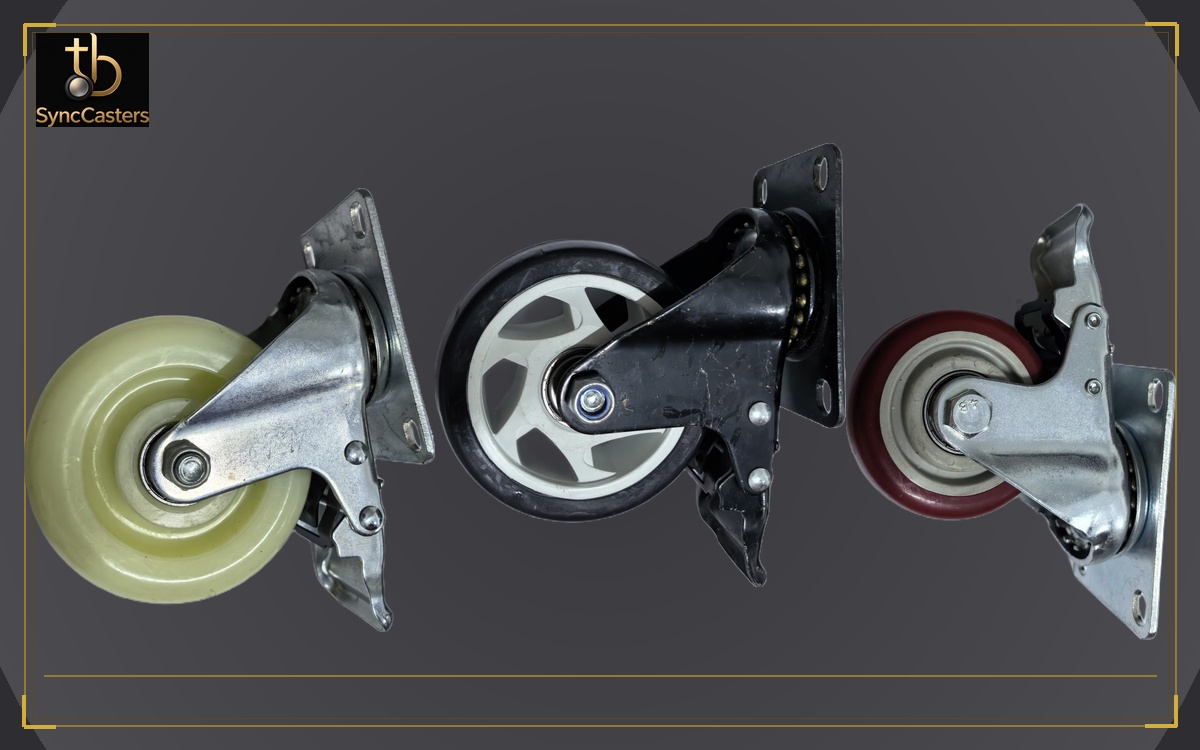
The RoHS directive restricts certain hazardous substances in electrical and electronic equipment, but its requirements are increasingly applied more broadly by buyers as a general material-compliance baseline. For casters, the substances that draw attention are heavy metals such as lead, cadmium, mercury and hexavalent chromium, along with certain flame retardants. Brackets that use chrome plating or certain surface treatments need verification, and wheel compounds containing pigments or stabilizers must be checked. A compliant caster uses materials below the regulated thresholds, which means selecting approved steel grades, controlled plating processes and tested polymer compounds. For buyers, asking for a RoHS declaration confirms that the components will not create compliance issues when the caster is integrated into finished equipment. Even where RoHS does not legally apply to a purely mechanical caster, many customers require it as a standard procurement condition.
REACH SVHC Requirements
REACH is the European Union regulation concerning the Registration, Evaluation, Authorization and Restriction of Chemicals. The element most relevant to caster buyers is the candidate list of Substances of Very High Concern (SVHC), which is updated several times a year. If any SVHC is present above a threshold concentration in a component, suppliers have obligations to communicate safe-use information, and buyers may need to pass that information downstream. For casters, the materials most likely to contain listed substances are certain plasticizers in soft polymers, specific pigments, lubricants in bearings and surface treatments. Because the list grows regularly, compliance is not a one-time certificate. Manufacturers that maintain living material data sheets for their components can update declarations as new substances are added without re-sourcing every part. Buyers should expect their suppliers to track this list rather than providing a static document that goes out of date.
Common Caster Materials Needing Compliance Attention
Several caster materials routinely appear in compliance discussions. Polyurethane wheels may contain processing aids or colorants that need verification. Nylon and polypropylene compounds are generally cleaner, but recycled content can introduce variability. Steel brackets with zinc plating, chrome plating or powder coating each require different compliance checks, because the surface treatment chemistry is where restricted metals are most likely. Bearings sealed with greases or oils may contain additives that fall under SVHC scrutiny. Fasteners and brake pedals, often overlooked, are also part of the bill of materials. A practical buyer maps the entire caster bill of materials, identifies which components have the most complex chemistry, and requests specific declarations for those items first. This targeted approach is more efficient than demanding a blanket statement that no responsible supplier can truthfully make without component-level data.
How Compliance Documentation Supports Export Sales
Material compliance is ultimately a commercial issue as much as a regulatory one. Missing documentation can stop a shipment at customs, fail a customer audit or expose a buyer to recall risk. This chapter covers the documentation buyers should request and how to manage it over time.
Documentation Buyers Should Request
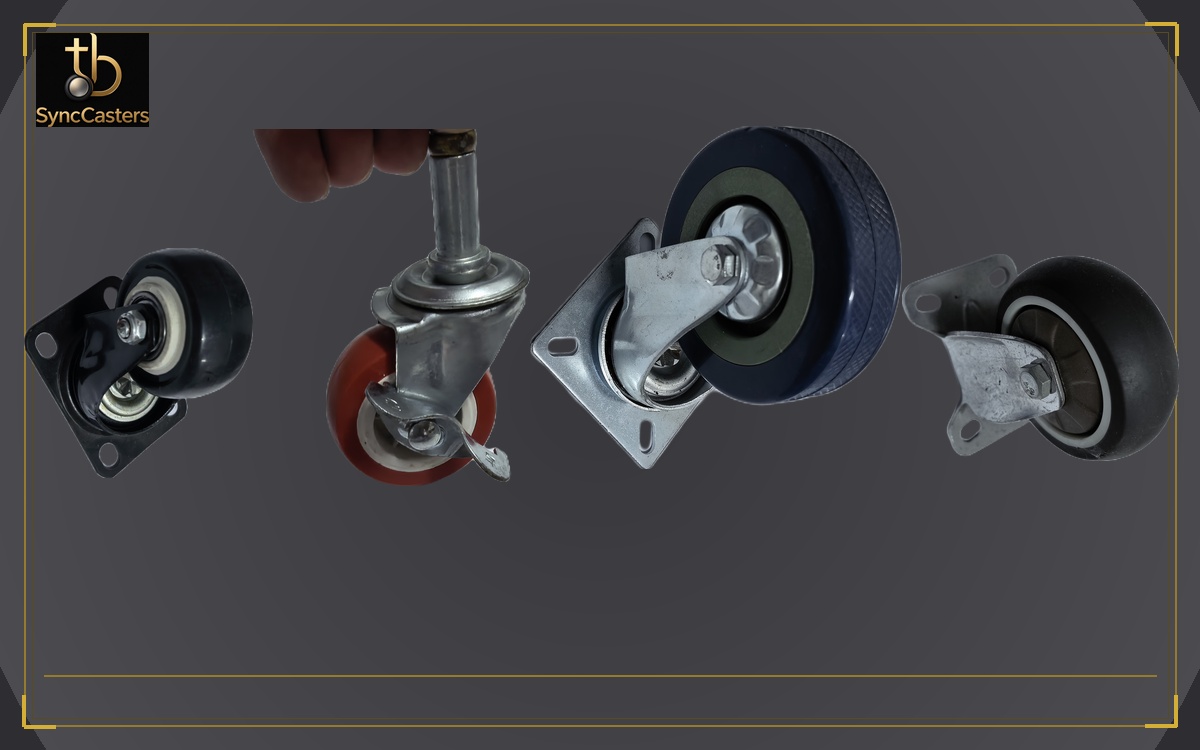
For export buyers, the core compliance package typically includes a material declaration covering RoHS and REACH, a bill of materials identification, and supplier contact details for follow-up. More detailed requests may include third-party test reports for specific substances or full material data sheets for critical components. The most useful documentation is specific: it names the product configuration, lists the substances checked and states the threshold results. Generic letters saying the product complies with all applicable regulations are weak evidence because they do not identify what was actually tested. Buyers should ask whether declarations can be reissued when the SVHC list updates and whether the manufacturer has a process for notifying customers of material changes. This level of transparency protects you through the product lifecycle, not just at order intake.
Bracket, Wheel and Bearing Material Strategy
Managing compliance across a caster bill of materials works best as a component strategy rather than a product-level hope. For brackets, choosing established plating and coating suppliers with their own compliance records reduces risk. For wheels, working with compounders who can provide material safety data sheets means the polymer chemistry is documented. For bearings, specifying sealed, pre-lubricated units from recognized manufacturers avoids surprises about grease additives. Buyers who standardize on compliant component sources across their caster range reduce their administrative burden and make audits predictable. Where a custom material is needed, such as a special wheel durometer or a non-standard bracket finish, flag the compliance question early in the development process. Discovering a restricted substance after a tool is cut is far more expensive than checking it before production.
Long-Term Compliance Risk Management
Material compliance is not a checklist you complete once. The SVHC list grows, customer requirements tighten and regulatory interpretation changes. A buyer's compliance file should be a living system: store current declarations, track their issue dates, set reminders for annual review and record any material substitutions the supplier makes. When a supplier changes a raw material source or a plating process, that change can affect compliance status even if the caster looks identical. Establishing a material-change notification agreement with your caster supplier means you are informed proactively rather than discovering a discrepancy during an audit. For OEM buyers selling branded equipment, this documentation chain also protects your end customer. Treating compliance as an ongoing partnership with your manufacturer, rather than a document request at the end of each quarter, is how mature supply chains operate.








