
The Last Step Before the Customer
A caster that passed every production test but arrives damaged, mislabeled or loose in a box has failed its customer before it is even used. Final inspection and packaging are the production stage that protects all the upstream quality, verifying each unit and packing it so it survives transport and installs correctly. For buyers, consistent inspection and packaging mean fewer complaints, faster installation and confidence that what they ordered is what arrives. This final stage is the buyer's first experience of the product. For export and volume programs, this reliability from box to install is a measurable competitive advantage. Good inspection and packaging are the quiet reason a buyer orders from the same manufacturer again and again.
Final Visual and Functional Inspection
Before packing, every caster receives a final check: the finish is inspected for scratches and corrosion, the wheel turns freely, the swivel moves smoothly and the brake engages and releases positively. Any unit with a binding wheel, a loose swivel or a defective finish is quarantined rather than shipped. This gate catches defects that slipped through assembly and ensures that the casters delivered to customers meet the approved sample, not just the average of the batch. A thorough final inspection is the last chance to catch a problem before the customer does.
Load and Performance Spot Checks
Beyond 100 percent functional checks, production runs periodic load and performance spot tests on samples from each batch, confirming that the casters still meet their published ratings. These checks verify that material lots, assembly settings and quality controls have not drifted. For heavy-duty and continuous-duty buyers, this ongoing validation is what keeps datasheet ratings trustworthy over time, not just at product launch. Spot testing catches slow process drift before it becomes a batch of field failures.
Packaging That Protects in Transit
Casters are heavy, often sharp-edged and easily scuffed, so packaging must protect the finish, keep wheels from rubbing, and prevent corrosion during long sea or road transport. Units are bagged, separated and packed into sturdy cartons with adequate fill, and moisture-sensitive brackets may include corrosion protection. Clear labeling identifies the product, quantity and specification, so the buyer can receive, stock and install without confusion. Good packaging is the difference between a caster that arrives showroom-fresh and one that arrives rusted and scratched. This matters especially for export shipments that spend weeks at sea. This protects both the product and the relationship, because the buyer's first impression on arrival sets the tone for every future order.
Quality You Can Rely On From Delivery to Install
Correct Spec, Right on Arrival
Final inspection also confirms that each caster matches the order: the right wheel diameter, tread material, brake type and mounting. Mis-shipped casters are a costly inconvenience for buyers assembling fleets or production lines, so careful verification against the order prevents them. When casters arrive exactly as specified, installation is fast and there are no surprises on the shop floor. This order-accuracy check is a small step at the end of production that saves a great deal of downstream frustration. For buyers, this means confidence from the moment the carton arrives until the caster has served years of duty.
Traceability and After-Sales Support
Modern production keeps batch and assembly records, so any issue in the field can be traced back to the exact materials and settings used. This traceability supports fast, precise after-sales response and continuous improvement. Buyers benefit because a supplier can identify whether a field problem is isolated or systemic, and act quickly. This accountability is part of what separates a reliable caster manufacturer from a disposable parts source. Traceability also helps buyers plan maintenance and replacements with confidence. This end-to-end quality discipline is what lets a buyer order with confidence and install without surprises.
Delivering Leveling Casters Ready to Use
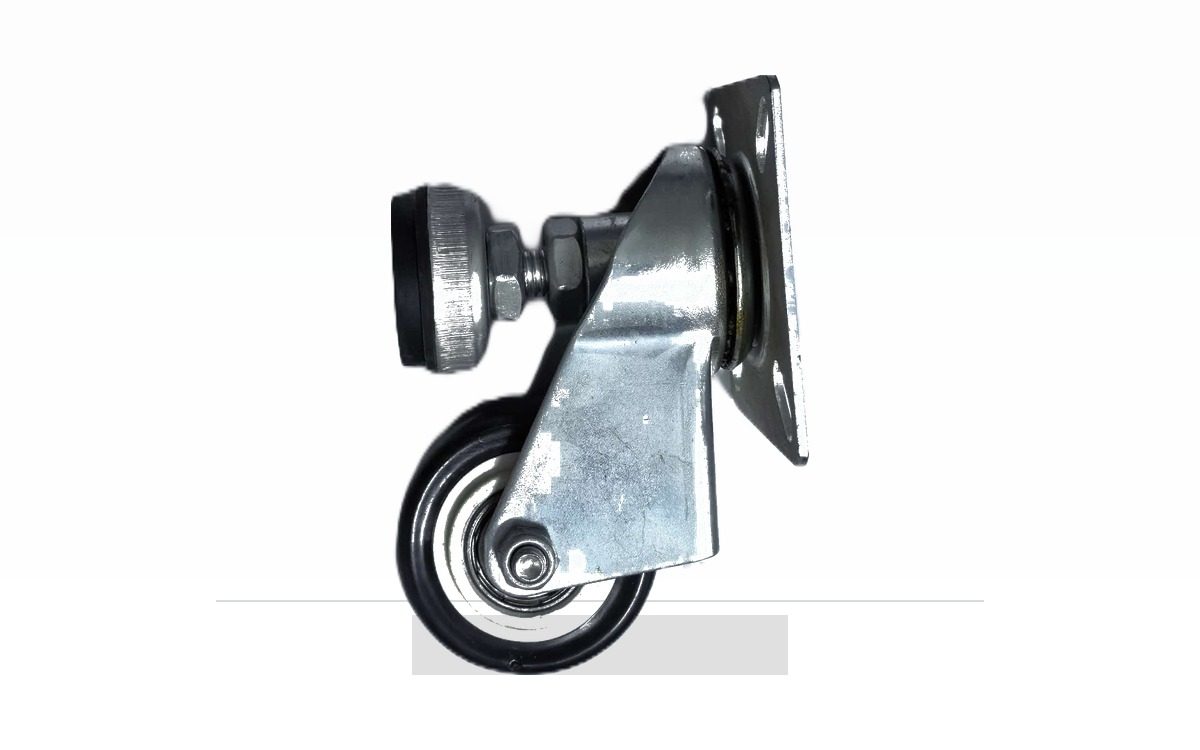
SyncCasters leveling casters are inspected and packed so they arrive ready to roll a machine tool, display rack or workbench into position. In 1.5 to 2 inch light, 2.5 to 3 inch medium and 4 inch heavy sizes, each unit's precision threaded foot is tested for smooth adjustment and firm hold before packing, and the optional 30 mm and 60 mm spring-shock versions are checked for consistent damping. Protected packaging ensures the steel bracket, wheel and adjustment thread reach the customer in perfect, install-ready condition. A leveling caster that arrives ready to adjust saves the customer immediate setup time.
SyncCasters Quality From Factory to Floor
SyncCasters combines controlled production, inline testing and rigorous final inspection with protective, clearly labeled packaging, so every caster and leveling system arrives meeting specification and ready for immediate installation. Our OEM and ODM programs extend this quality and traceability to customized products, with support that continues after delivery. Contact us for casters built, tested and packaged to perform reliably from the moment they leave the box, backed by a manufacturer that stands behind every unit. A supplier that inspects, traces and protects every unit is one the buyer can build long-term production plans around, order after order.








