
Why You Should Never Skip the Caster Sample
A drawing and a 3D model are useful, but they cannot tell you how a caster really rolls on your floor, whether the leveling foot adjusts smoothly under a loaded machine, or how the brake pedal feels. For OEM buyers, the physical sample is where the project moves from theory to reality. A disciplined sampling process catches problems that no spreadsheet can, and it is far cheaper to fix a bracket after one sample than after ten thousand units. Here is how rapid caster prototyping actually works in a professional factory.
What a First Sample Tells You
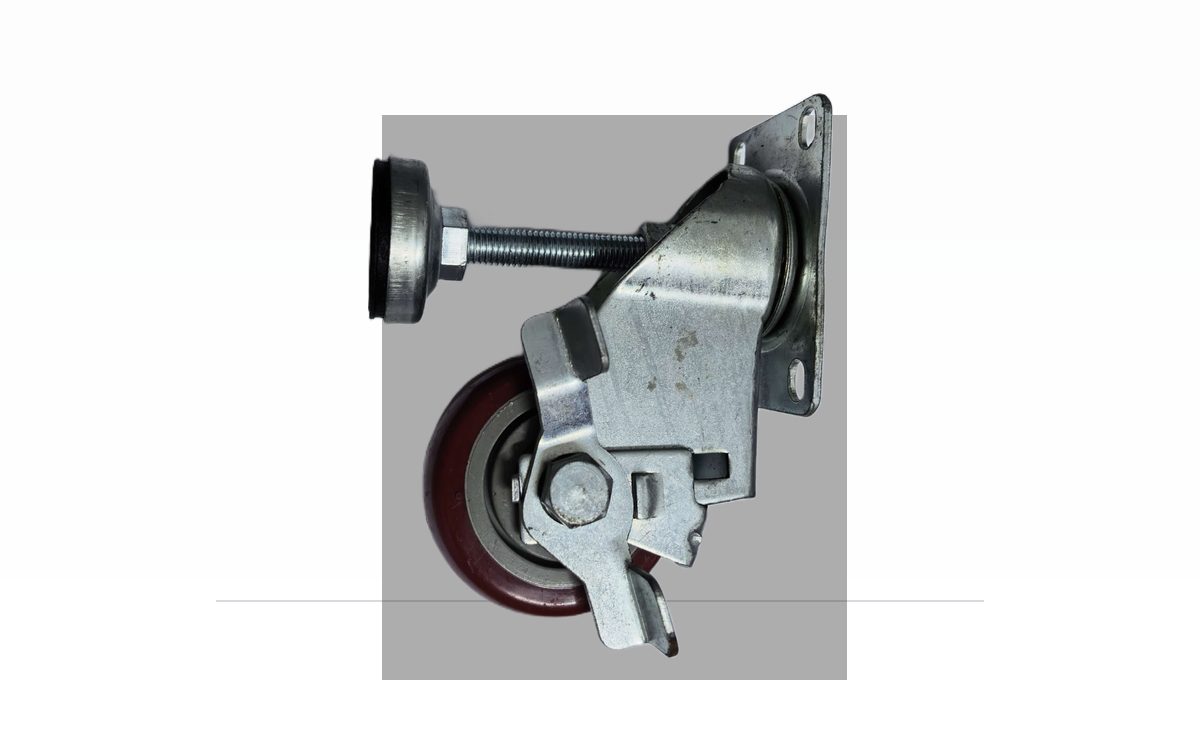
The first sample validates the essentials: installed height, mounting fit, rolling effort, swivel feel, brake action and, for leveling casters, the precision threaded foot. Put the sample under real load on your actual floor. Does the equipment sit level when the foot is screwed down? Does the wheel roll smoothly over thresholds? Is the starting and rolling force comfortable for the operator? A leveling caster at 1.5 to 2 inches suits light frames, while a 4-inch heavy model carries industrial equipment; confirming which range matches your machine on a real sample prevents a costly mismatch. Walk around it, load it, leave it overnight and check the next morning that the foot has not settled or the brake has not crept. These simple real-world checks expose what a CAD model hides.
Rapid Prototyping Methods in a Caster Factory
Modern caster sampling mixes standard parts with fast custom work. Bracket tweaks that need new tooling are quoted separately, while wheel material, brake options, stem length and finish can often be drawn from existing components and assembled quickly. A responsive OEM factory can turn a revised design into a new sample within days, not weeks, using modified brackets, off-the-shelf wheels and fast surface treatment. For small geometry changes, simulated tooling and hand-formed brackets let engineers test the fit before cutting expensive dies. This rapid loop is how a design goes through two or three iterations in a month instead of a quarter, and how the buyer converges on the final form factor while the market window is still open.
Avoiding the Sample-to-Mass-Production Gap
A classic failure is a sample that looks perfect but cannot be reproduced. The sample hand-assembled by an engineer uses one-off parts, while mass production uses stamped brackets and molded wheels. To avoid this gap, ask the supplier to build the sample using the same production process and materials planned for bulk, and to document any deviations in writing. When the sample matches the production method, what you approve is what you ship. This is the single most important rule of caster sampling, because it eliminates the most common OEM complaint: that bulk units feel different from the beloved first sample. Confirm this before you approve, and the production phase becomes predictable.
Running an Efficient Sampling Workflow
Once the engineering is agreed, sampling becomes a collaborative loop. How you prepare the sample brief, how you test what comes back, and how you lock the approved sample into a controlled process decide how fast you reach production. The points below lay out the practical workflow that turns a first prototype into a reliable mass-production part.
Prepare a Clear Sample Brief
Send the factory more than a size. Provide the equipment drawing, total and per-corner load, floor type, environment, required installation height and the visual finish you expect. The more precise the brief, the closer the first sample lands. For leveling casters, also state the required adjustment range, because a display rack and a machine tool need very different foot travel, and note any vibration or noise constraints that affect wheel choice. Include reference photos of how the caster should look and any logo or finish cues. A complete brief cuts the number of sample rounds in half, because the factory does not have to guess at your priorities.
Test the Sample Under Real Conditions
Do not judge the sample on a clean table. Roll the loaded equipment across the real floor, over dock plates and thresholds if they exist, and test the brake and leveling foot repeatedly. Measure how much force it takes to start and stop movement, and listen for any noise the swivel or wheel makes under load. If vibration matters, run the equipment while leveled on the foot and feel whether it stays stable. Test the environment too: if the caster will live in heat or moisture, expose the sample briefly. This real-world testing is where subtle issues, like a stiff swivel, a binding foot or a soft brake, surface before they become production complaints.
Review and Approve the Sample Rigorously
When the sample meets your needs, freeze it in writing: dimensions, material, finish, brake type and photos from several angles. This approved sample, called a golden sample, becomes the reference for mass production. Any later change goes through a formal revision, and both sides keep one. Keeping a documented golden sample protects you at the production stage, because it gives both sides an objective standard to compare against when a shipment arrives. Buyers who skip this step often receive bulk goods that differ subtly from the sample they loved, with no neutral reference to resolve the dispute.
SyncCasters Rapid Sampling for Leveling and Heavy Casters
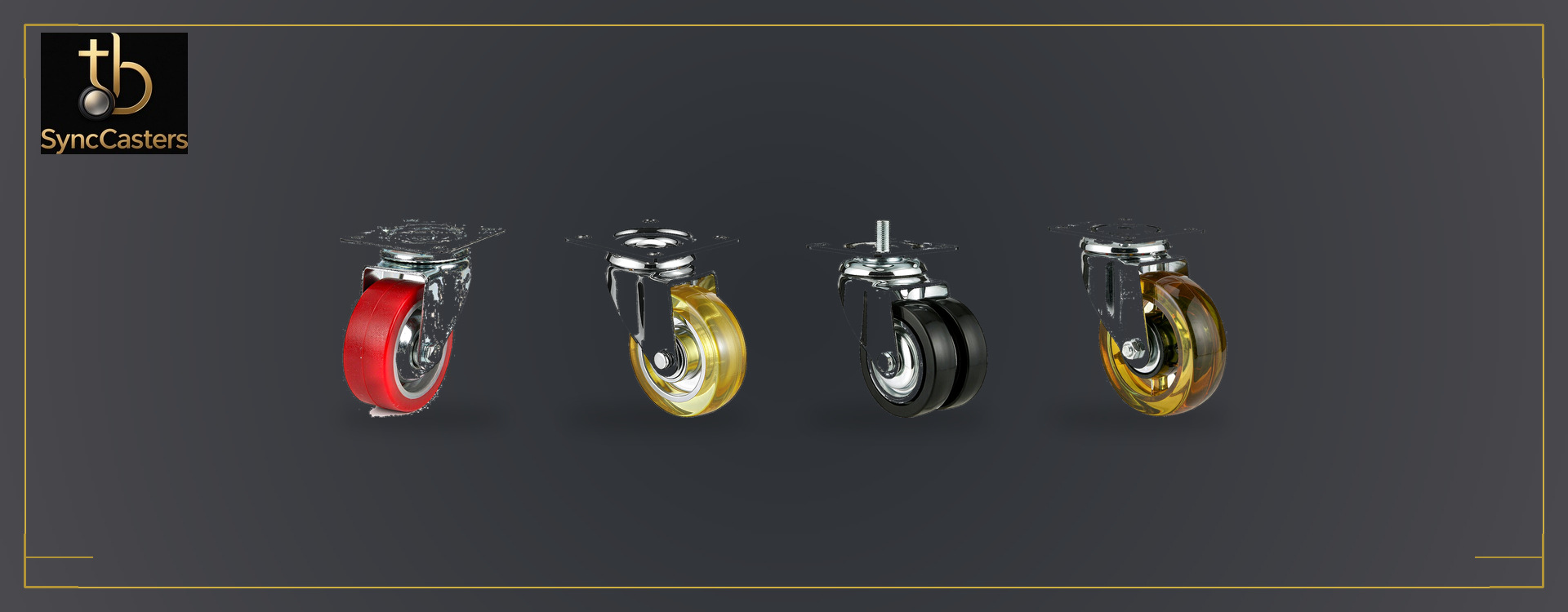
SyncCasters offers fast, process-representative sampling across our leveling, light, medium and heavy duty ranges, from 1.5-inch light leveling casters to 4-inch heavy models with optional 30 mm or 60 mm spring shock. Our samples use the same materials and methods planned for bulk, so your approved sample reflects production reality, and we keep a golden reference for every approved project. We support rapid iteration on wheel, brake and finish while custom bracket tooling is finalized. Send us your drawing and load requirements, and we will return a reviewed sample plan and timing.








