
Load Testing Videos: How We Prove Every Caster's Capacity
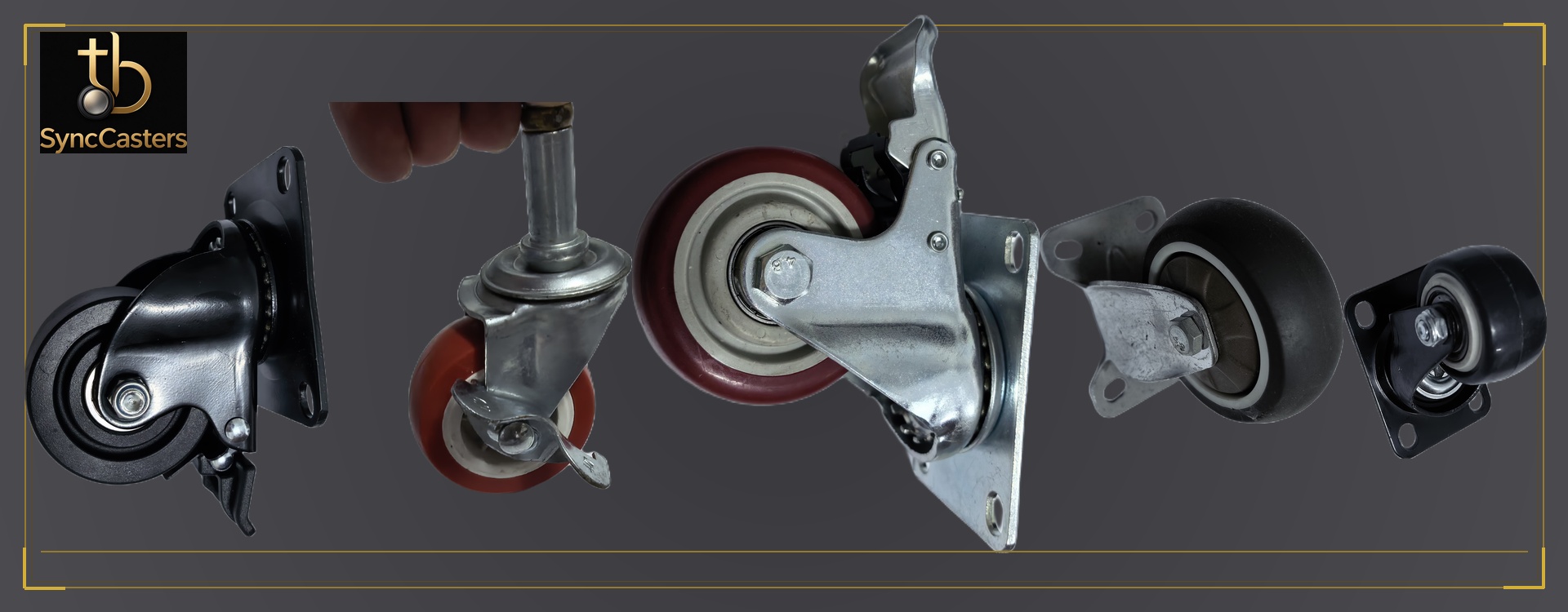
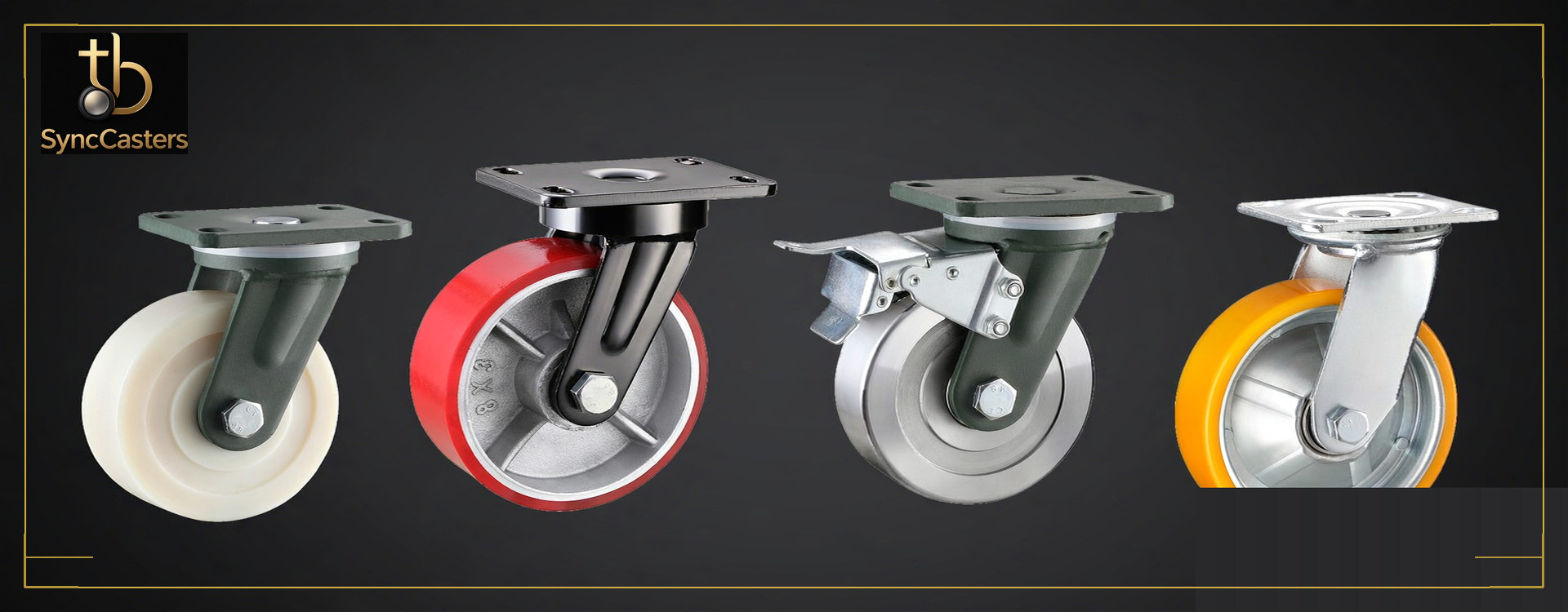
Load ratings on a catalog page are only as credible as the testing behind them. In our video library, the load testing videos are where that claim becomes visible. Industrial casters are expected to move heavy carts, racks and equipment day after day, often across full working shifts, and a rating printed on a spec sheet means little unless the wheels, swivel bearings and forks have actually been operated near that boundary. These films show the kind of routine verification that takes place on our own floor: casters mounted on test jigs, loaded to their rated capacity, and run under observation so that we can watch for wheel deformation, rising swivel effort, brake holding performance and bracket deflection. The point is not theatrical destruction. It is the ordinary, repeatable discipline a factory applies before it commits a load figure to a part number, and before that part number reaches a customer's production line.
For a buyer, these films serve two practical purposes. First, they show how we go about the work — the fixtures, the instrumentation and the pass criteria you would expect from a caster maker who stands behind its ratings — which helps you judge whether a supplier treats load testing as a formality or as a gate. Second, they give you a vocabulary for your own questions: you can ask whether a given series has been tested beyond its rating, how the wheel compound behaves under sustained load, and what margin we recommend for shock loading or two-shift duty. That conversation is where a datasheet turns into a purchasing decision. When you have an application with a known load, floor type and cycle count, send us the details and we will recommend a series with the right capacity margin and, where needed, arrange the supporting documentation and test records your specification requires.








