
Proving a Caster's Numbers in the Lab
Every caster spec sheet claims a load rating, but behind a credible number is a test rig. Load tests confirm the bracket and wheel carry the rated weight without deformation; life tests run the caster for thousands of kilometers to measure wear; swivel rotation tests check that the raceway turns smoothly cycle after cycle. For buyers, these tests are the difference between a rated capacity on paper and a caster that survives real duty. Here is how the testing actually works.
Load Capacity Testing
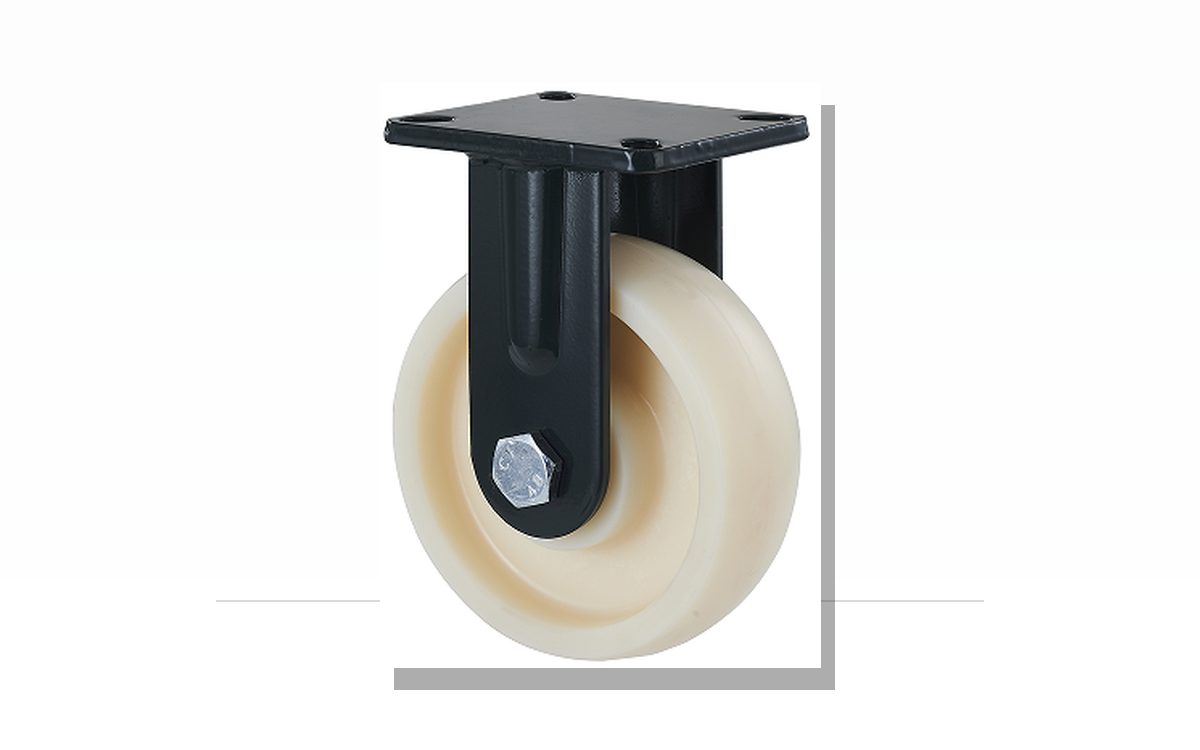
A load test mounts the caster on a rig and applies weight, often beyond the rated load, to measure deflection and confirm there is no permanent deformation. Real-world production data shows how this scales: heavy TPE dual-wheel casters carry from 220 kg at 4 inches up to 430 kg at 8 inches, with mounting heights from 138 to 230 mm on a 114 by 102 mm plate. Extra-heavy series push further, with MC nylon wheels rated near 600 kg and resilient rubber wheels near 700 kg at 3 inches on reinforced 8 mm base plates. These tested ratings, rather than catalogue guesses, are what buyers can build equipment around, knowing the bracket will not bend at the stated load.
Life and Durability Testing
Life testing runs a loaded caster back and forth for extended distance to simulate years of use, measuring wheel wear, bearing condition and bracket integrity over time. The relevant industry standard references wear resistance, load and fatigue-cycle testing for industrial casters used at normal walking speeds. A caster that passes fatigue cycling is one whose swivel raceway does not loosen, whose bearing does not overheat, and whose wheel does not chunk under continuous duty. For AGV and automated applications that run around the clock, this life data is essential, and some manufacturers even guarantee a tested service distance on selected models under normal field use.
Swivel Rotation and Rolling Resistance
Swivel rotation testing measures the force needed to turn the caster and how smoothly it does so over thousands of turns. A stiff swivel makes equipment hard to steer and tires operators; a loose swivel wobbles. Tests also measure starting and rolling resistance, because the effort to move a loaded cart depends on these numbers, and low resistance directly reduces operator fatigue. For leveling casters, a related check confirms the threaded foot raises and lowers evenly and holds position under load, since stability during operation is the whole reason buyers choose them over ordinary casters.
Why Tested Ratings Protect Your Equipment
Tested ratings only protect your equipment when you understand what they mean. Static versus dynamic load, duty cycle and the content of a real test report all change how safely you can specify a caster. The points below help buyers read performance data and choose with confidence.
Static, Dynamic and Shock Ratings
A caster usually carries three load numbers: static, dynamic and shock. Static is the parked capacity, dynamic is what it can roll under, typically a lower figure, and shock covers impacts such as dock transitions. Specifying to the dynamic rating, not the static one, prevents surprises, because the caster is moving while carrying load. Combined with the N-1 method and a safety factor appropriate to the environment, tested ratings give a defensible basis for choosing each caster position on your equipment, rather than dividing weight by four and hoping for the best.
Continuous Duty vs Occasional Use
A caster that moves a cart twice a day needs very different durability than one on an automated platform running all shift. Life testing lets buyers match the caster to duty cycle: occasional-use equipment can use a marginally rated wheel, while continuous-duty carts and AGV components need higher safety factors and verified fatigue performance. As automation spreads and equipment runs longer hours, this distinction matters more than it did a decade ago. Tested life data is how you avoid a caster that wears out mid-year on a production line.
Reading a Test Report
A useful test report states the sample, the rated load, the tested load, the distance or cycles run, and the observed condition afterward. It should be repeatable and reference a recognized test method. When a supplier shares this kind of detail rather than a single capacity number, it signals engineering depth. Buyers should ask for the method and the results behind the headline rating, and compare like for like before deciding, because two casters with the same printed capacity can perform very differently in service.
SyncCasters Tested Caster Performance
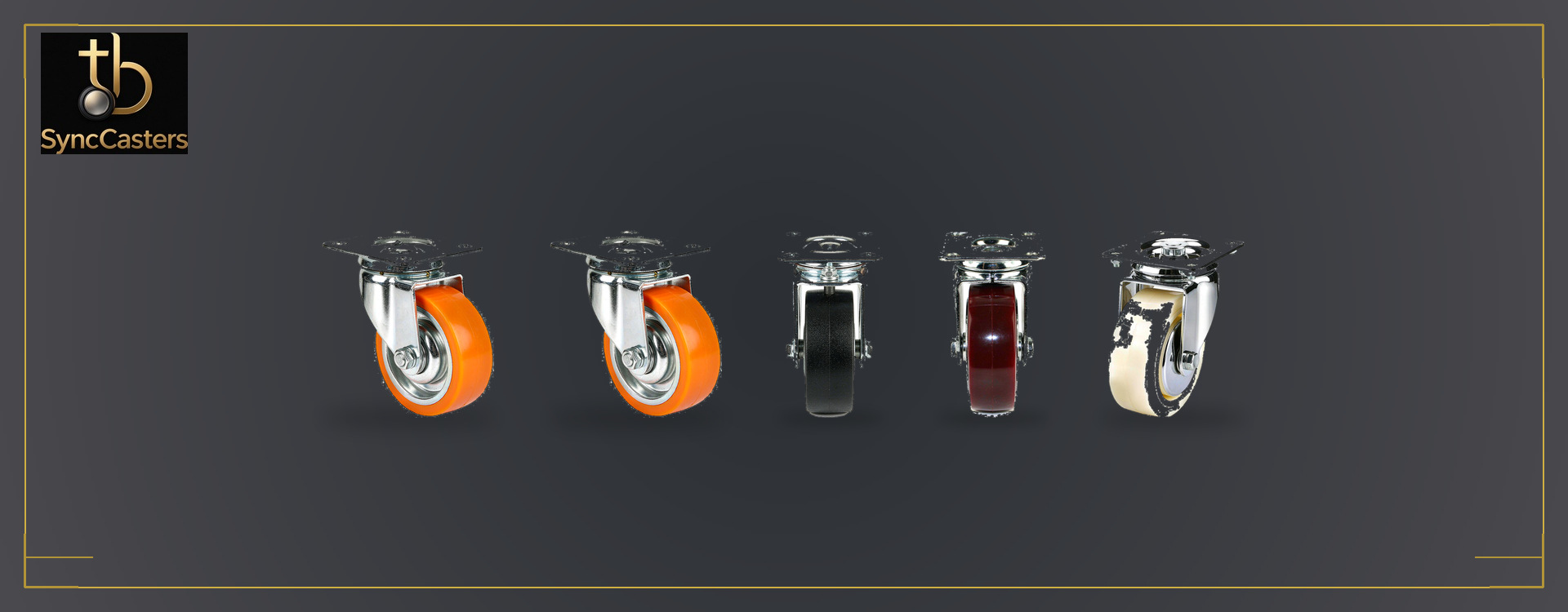
SyncCasters designs and tests our leveling, light, medium, heavy and extra-heavy casters for load, rolling life and swivel performance, so rated capacities from light 1.5-inch leveling models to 8-inch heavy wheels reflect verified duty rather than catalogue estimates. Our extra-heavy series, with MC nylon and resilient rubber wheels rated at several hundred kilograms, passes fatigue and load checks before delivery. We support OEM buyers with performance data matched to their equipment and duty cycle. Share your load and use case, and we will recommend a tested, durable caster.








